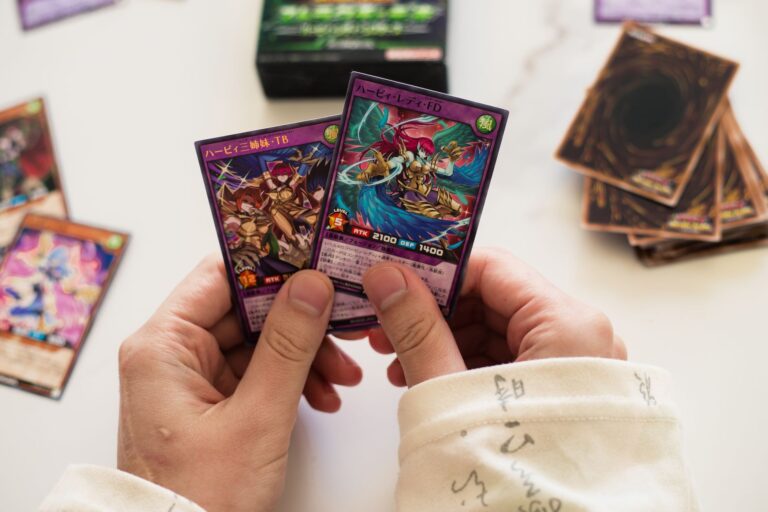
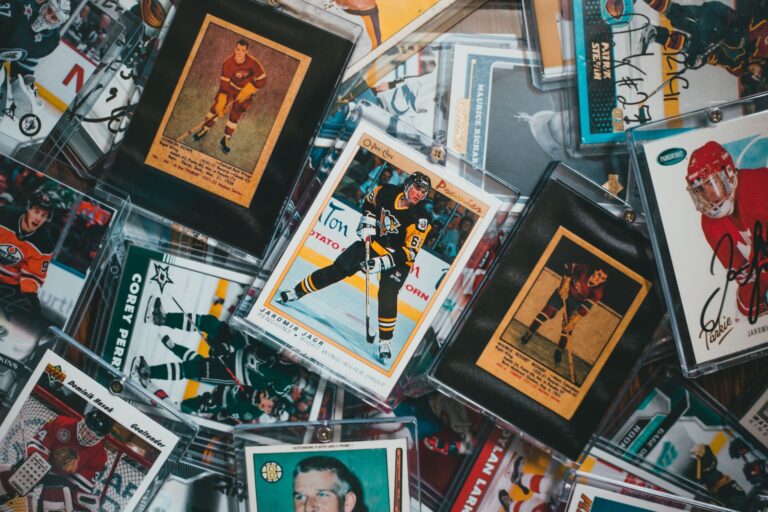
Strong collector psychology in Pokémon markets reveals itself through observable patterns: rapid price increases driven by emotional attachment to specific cards, scarcity metrics that create artificial urgency, and the emergence of grading obsession. You can spot these psychological drivers by tracking three core indicators: cards experiencing disproportionate price growth beyond market averages, sharp spikes in sealed product demand, and the widening gap between near-perfect and perfect graded copies. For example, Umbreon ex SIR (#161) jumped 70% in just two months—from around $882 in February to approximately $1,500 in early April 2026—a movement driven entirely by collectors’ recognition of Umbreon as a tier-one Pokémon worthy of investment, not by any change in the card’s fundamental utility.
The Pokémon market itself amplifies collector psychology at scale. The card market has grown 3,821% in total value since 2004, vastly outpacing the S&P 500’s 483% return. Current market growth sits at 46% year-over-year as of Q1 2026, yet this explosive expansion masks deeper psychological currents beneath the surface. Understanding these currents—the irrational attachment, the dopamine-driven chase mechanics, the fear of missing out—is essential for anyone serious about Pokémon collecting or investment.
Table of Contents
- What Drives Irrational Pricing in Pokémon Card Markets
- The Grading Psychology: Why PSA 10 Commands Exponential Value
- Recent Price Movements as Psychological Signals
- Sealed Products and the Urgency-Driven Purchase Cycle
- The 30th Anniversary Wave and Nostalgia-Driven Market Peaks
- The Market Shift from Speculators to Serious Collectors
- Tournament Play and Art Appeal as Lasting Psychological Anchors
- Conclusion
What Drives Irrational Pricing in Pokémon Card Markets
Collector psychology doesn’t operate on traditional asset valuation principles. Academic research confirms that scarcity and cultural appeal determine card value, not cash flow or fundamental utility. When a collector sees a Charizard, Pikachu, or Umbreon, they’re not thinking about present value models—they’re activating decades of emotional attachment to a brand. this emotional satisfaction, not economic fundamentals, shapes the market’s price discovery. The result is that cards with powerful cultural resonance experience price growth completely disconnected from supply dynamics or playability in tournaments. The “chase mechanic” embedded in Pokémon product design weaponizes this psychology.
Opening a booster pack involves a dopamine loop identical to gambling: you don’t know what’s inside, the hit rate varies, and the psychological reward of pulling a high-grade special illustration rare (SIR) or full-art card creates lasting satisfaction. This isn’t accidental—Pokémon’s 30th Anniversary product strategy (now underway through 2026) is explicitly designed to extract maximum value from both competitive players and nostalgic collectors by feeding this chase experience. Collectors don’t just buy cards; they buy the experience and the story of the pull. One concrete warning: not all emotional attachments create equal pricing power. While Umbreon has surged, equally rare cards with less cultural resonance have stagnated. The psychology works because Umbreon carries decades of franchise weight and nostalgia, alongside current-era competitive play. A card with scarcity alone, without emotional resonance or tournament viability, won’t sustain collector interest or command premium pricing.

The Grading Psychology: Why PSA 10 Commands Exponential Value
pokémon collector psychology reaches its peak intensity at the grading threshold. Only 121 PSA 10 grades have been awarded for 1st Edition Base Set Charizard across more than 2,300 submissions to PSA since 1999. This translates to a 5.3% perfect-grade success rate—and that minuscule rarity creates an exponential price premium that defies linear economics. A PSA 9 Charizard and a PSA 10 don’t sell at 10% higher prices; the PSA 10 commands multiples of 2-4x the price, sometimes higher. This gap represents pure collector psychology. The jump from PSA 9 to PSA 10 is barely visible to the human eye—often just a corner nick, a slight wear on centering, or microscopic print imperfections.
Yet collectors obsess over it as the threshold between “great” and “perfect,” investing the PSA 10 with an almost sacred status. This psychological threshold is the most significant market price jump in the entire grading spectrum, more dramatic than the jump from PSA 8 to 9 or PSA 7 to 8. It reveals how collector perception of perfection, not actual condition gradations, drives premium pricing. The limitation here is crucial: grading costs $20-100+ per card depending on turnaround time, and a PSA 10 graded card takes months or years to acquire through competition. Many collectors chase the PSA 10 dream on cards where the probability of achieving it is near-zero, wasting thousands on submissions that yield PSA 8 or 9. The psychology tells them a 10 is achievable and worth the effort; the math says otherwise for 95% of cards in circulation.
Recent Price Movements as Psychological Signals
The past two months of April 2026 offer textbook examples of collector psychology in action. Beyond Umbreon’s 70% jump, Mega Gengar ex SAR from the Ascended Heroes set climbed into the £780-930 GBP range on eBay UK, driven by collectors recognizing Gengar as a Pikachu/Charizard-tier cultural phenomenon. This is significant not because Gengar cards are rare in isolation—they’re printed regularly—but because the secondary market collectively decided Gengar deserves Pikachu-level pricing. That consensus is pure psychology. SV-151 sealed products offer an even more compressed example. Perfect Order ETBs gained 35% in just 10 days, while the broader SV-151 sealed category jumped 60%+ over the preceding weeks.
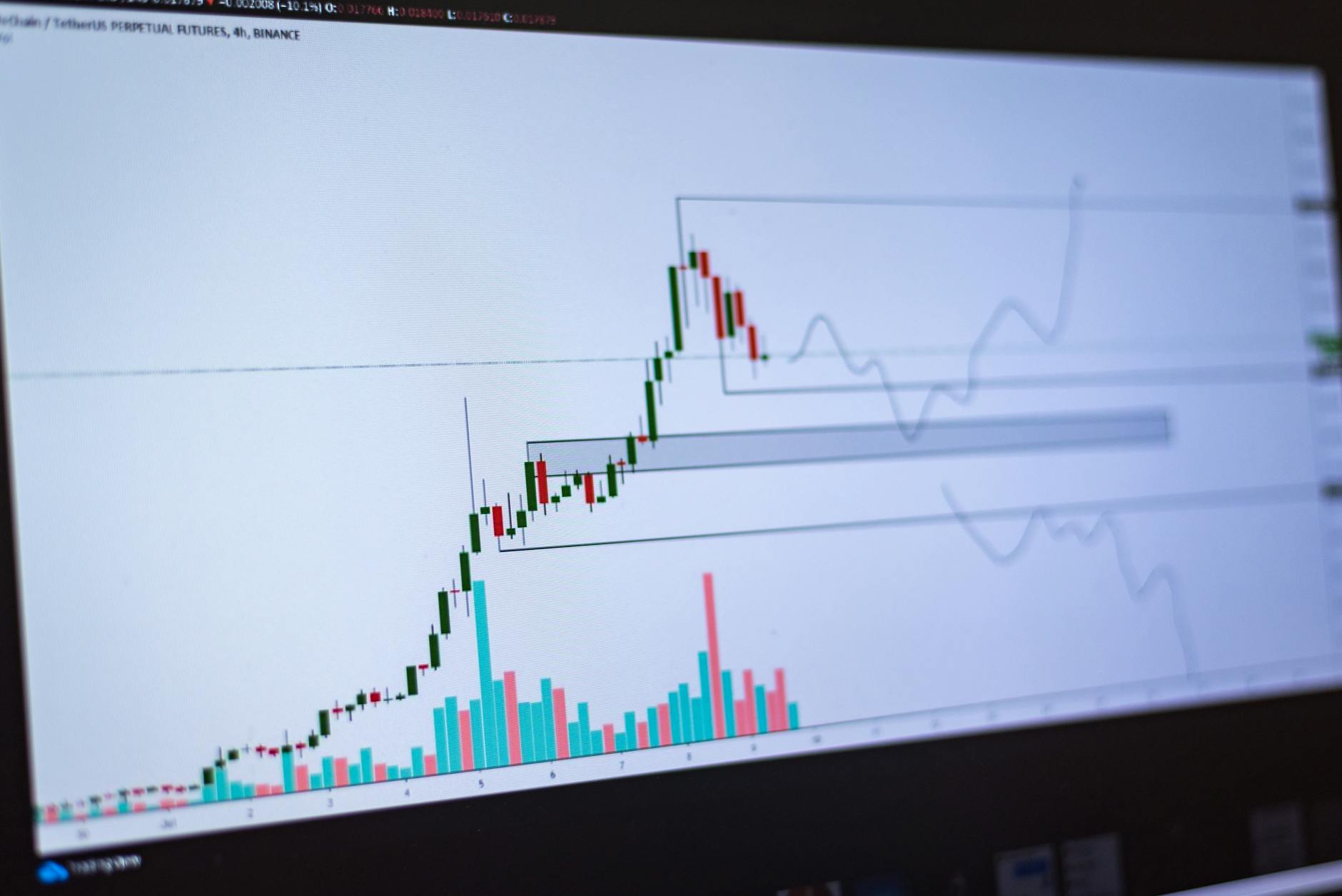
This explosive, short-term volatility isn’t driven by fundamental scarcity announcements or supply chain constraints. Instead, it reflects a herd mentality: collectors watched prices rise, feared missing out on further gains, and rushed to purchase before the window closed. The psychology fed itself. The limitation to watch: short-term price spikes often reverse. The SV-151 surge could sustain if underlying demand from builders and collectors remains strong, or it could collapse if the urgency-driven buyers realize they overpaid. Price movements in isolation don’t confirm collector psychology strength—sustained price levels over 6-12 months do. A 35% gain in 10 days is a red flag for urgency-driven hype rather than genuine collector interest, and many buyers will regret their timing once volatility settles.
Sealed Products and the Urgency-Driven Purchase Cycle
Sealed product demand reveals collector psychology in its purest form because the dopamine reward is still in the future—the box hasn’t been opened yet. Collectors buy sealed ETBs or booster boxes not primarily to open them (though some do), but because they anticipate future appreciation. The box itself becomes a collectible, a time capsule of a specific era. When SV-151 sealed products jumped 60%, collectors were betting that future demand would exceed current supply, and they wanted to lock in today’s prices. This cycle repeats predictably: a new set releases, early adopters hoard sealed product, a shortage narrative emerges, prices spike, FOMO drives mass purchases, and the cycle peaks when casual buyers finally join.
The strongest indicator of psychology-driven demand is velocity—how quickly prices rise and how broad the demand becomes. The 35% surge in Perfect Order ETBs over 10 days signals stage 3 of the cycle (mass entry), which historically precedes price stabilization or reversal. The comparison here matters: sealed product with strong collector interest (like Celebrations ETBs from 2021, which remained premium years later) differs from sealed product with pure hype (like certain scarce printings that spiked and deflated). The difference? The former had scarcity combined with ongoing tournament play and nostalgia; the latter was purely urgency-driven. Before chasing sealed product plays, ask whether the underlying set has lasting collector appeal or just short-term buying frenzy.
The 30th Anniversary Wave and Nostalgia-Driven Market Peaks
Pokémon’s 30th Anniversary (marked February 27, 2026, entering a full year of celebrations through 2027) has created a predictable psychological surge. Vintage WOTC (Wizards of the Coast) cards, particularly those from Base Set and the first print runs, have experienced 30-50% price increases as collectors rush to own “classic” Pokémon cards ahead of the anniversary milestone. This is pure nostalgia psychology—the anniversary date has no material impact on card scarcity or functionality, yet it serves as a psychological anchor for buying pressure. The anniversary strategy is deliberately engineered to maximize extraction from two distinct collector segments: those nostalgic for 1999-2000 cards who view the anniversary as a deadline to own their childhood, and competitive players wanting vintage cards for tournament legitimacy or personal collection prestige. The market is responding to both segments simultaneously, creating overlapping demand waves that push prices upward across almost every legacy card category.
This creates a warning: nostalgia-driven buying isn’t sustainable indefinitely. The anniversary effect has a shelf life. After February 2027, once the “big milestone” passes, collectors’ psychological urgency dissipates, and prices for purely nostalgia-driven cards often retreat. The risk is chasing cards solely because they’re vintage or anniversary-adjacent without considering whether they have tournament play, art appeal, or scarcity fundamentals to sustain pricing long-term. Vintage cards with cult followings (like PSA 9-10 Base Set holos) will maintain value; vintage cards riding pure anniversary sentiment may see 20-40% corrections once the psychological moment passes.

The Market Shift from Speculators to Serious Collectors
The Pokémon market is exiting a correction phase and entering maturity. The speculators—those who bought solely for quick flips in 2020-2021—have largely departed. What remains is a clearer segmentation: serious collectors holding long-term, professional graders and dealers managing inventory, and a new cohort viewing Pokémon cards as alternative wealth allocation assets. This maturation is itself a psychological indicator.
Markets with staying power develop institutional structures, professional pricing databases, and collectors willing to hold through volatility. The emergence of cards as alternative assets—positioned alongside fine art, vintage sports memorabilia, and collectible watches—signals a shift in collector psychology from pure nostalgia to portfolio allocation. High-net-worth collectors increasingly view top Mega ex SIRs as hedge assets, diversification tools that operate independently from stock and bond markets. This psychology is more stable than pure hype because it’s rooted in long-term wealth preservation logic, not short-term viral moments. The investors buying top-tier Mega Gengar ex SARs at £800+ are not expecting 10x gains; they’re expecting steady 50-110% six-month ROI driven by tournament play rates and art demand—fundamentally-backed return expectations rather than speculation.
Tournament Play and Art Appeal as Lasting Psychological Anchors
The strongest collector psychology indicators are those tethered to enduring factors: playability in competitive tournaments and aesthetic design. Cards experiencing sustained price growth typically combine multiple anchors. Take Mega Gengar ex as an example: it’s competitively viable in current tournament formats, features sought-after special illustration rare artwork, appears in premium sets (Ascended Heroes), and carries cultural weight as Gengar. That combination of factors—not scarcity alone—drives projected 50-110% six-month ROI and positions it as a collector asset with multi-year staying power.
The forward outlook matters here. The broader Pokémon market has printed 10.2 billion cards in the 12 months through March 2025, yet demand still exceeds supply at the top-tier card level. This supply dynamic will shift as inventory normalizes, but serious collector interest appears to be growing rather than declining. The psychology that drove unsustainable bubbles in 2020-2021 has evolved into more disciplined collector behavior where aesthetic quality, tournament viability, and cultural resonance matter as much as pure rarity. Markets exhibiting this maturity tend to sustain higher absolute prices even as volatility decreases.
Conclusion
Spotting strong collector psychology in Pokémon markets requires reading multiple signals simultaneously. Watch for emotional attachment to specific characters or eras, track grading rarity metrics and PSA 9-to-10 price gaps, monitor sealed product velocity and FOMO-driven buying cycles, and pay attention to whether prices are anchored to tournament play or art appeal versus pure scarcity hype. The market has matured significantly since the 2020-2021 bubble, and today’s price movements are increasingly rooted in fundamental factors—competitive viability, cultural resonance, and institutional collector interest—rather than pure speculation.
The strongest collector psychology indicators are those that have demonstrated staying power through multiple market cycles. Vintage WOTC cards with 30-50% anniversary-driven appreciation may stabilize or correct; Mega ex SIRs with tournament play rates and high-grade rarity appear more durable. Before committing capital, distinguish between urgency-driven hype (like sealed product 35% gains in 10 days) and sustained collector demand (cards holding premium prices for 12+ months despite volatility). The former reveals psychology worth watching but not following; the latter reveals psychology worth investing in.