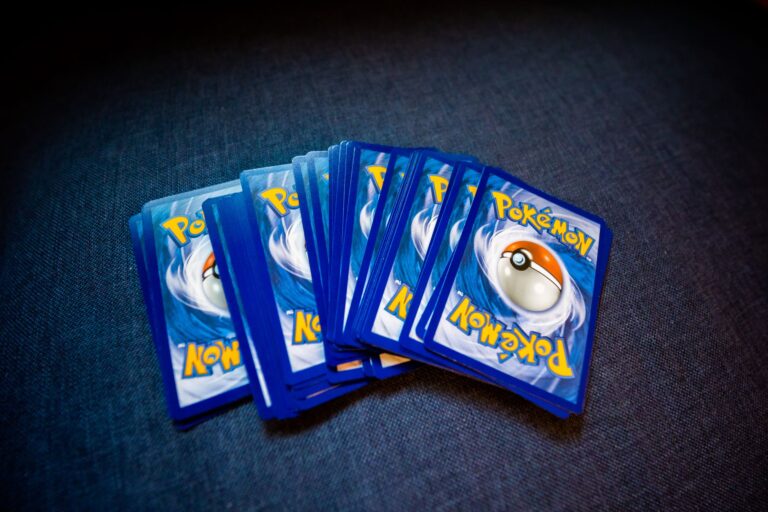
The forgotten print run that may be one of Base Set’s best secrets is the 1999-2000 copyright variant—the eighth and final print run of the English Pokémon Base Set released in January 1999. Unlike the more famous first edition and shadowless variants, this 1999-2000 print run features a “©1999-2000” copyright date in place of the original “©1999,” a subtle difference that makes these cards exceptionally rare despite being widely overlooked by collectors. While early first edition and shadowless cards command premium prices because their rarity is well-known, the 1999-2000 variant remains undervalued and underappreciated, with PSA population counts in double digits for most holographic cards—a scarcity level that rivals or exceeds more celebrated variants. This print run represents a window into Pokémon TCG history when production was ramping down on Base Set.
Most collectors pursuing original Base Set variants focus on the obvious targets: first editions and shadowless cards from the initial print runs. The 1999-2000 copyright variant flies under the radar precisely because it’s the last print run, leading many to assume it’s common. In reality, these final print runs were produced in much smaller quantities than the middle print runs, making them genuinely scarce today. For collectors and investors willing to dig deeper, the 1999-2000 Base Set variant offers significant upside potential as more players begin recognizing its rarity.
Table of Contents
- Why Is the 1999-2000 Print Run So Rare?
- How to Identify the 1999-2000 Variant
- The Overlooked Print Run in Base Set Hierarchy
- Collecting and Valuing the 1999-2000 Variant
- Common Mistakes Collectors Make with Print Runs
- The Ninetales Anomaly and Other 1999-2000 Variants
- The Future of 1999-2000 Base Set Variants
- Conclusion
Why Is the 1999-2000 Print Run So Rare?
The 1999-2000 copyright date appears during a specific window in Base Set production when the TCG market was shifting rapidly. Between its January 1999 release and the year 2000, pokémon released eight distinct English print runs of the Base Set’s 102 cards. The 1999-2000 variant came during print runs six through eight, when production had already begun tapering off as Pokémon prepared to shift focus to newer sets like Jungle and Fossil. this means far fewer packs were opened from this window, and consequently, far fewer graded examples exist today compared to the boom-period middle print runs.
The rarity metrics tell the story clearly. For a card like Blastoise—one of the most sought-after Base Set holos—PSA population counts for 1999-2000 versions hover in the low double digits for even modest grades like PSA 7 or 8. Compare this to unlimited shadowless versions, which have tens of thousands graded, and the scarcity becomes obvious. The 1999-2000 print run never received the production volumes that later unlimited printings enjoyed, yet it remained largely unknown to the casual collector community until recently. This information asymmetry has created a genuine opportunity for those who know where to look.
How to Identify the 1999-2000 Variant
Identifying a 1999-2000 Base Set card requires careful examination of the copyright information at the bottom of each card. Located in the lower left corner of the card face, the copyright line should read “©1999-2000 Pokémon” instead of the original “©1999 Pokémon.” This single detail distinguishes these cards from earlier print runs while setting them apart from shadowless variants, which maintain the ©1999 copyright but lack the drop shadow effect on the artwork box. It’s a easy detail to miss if you’re not specifically looking for it, which explains why so many 1999-2000 cards remain in circulation unrecognized. The challenge is that this copyright variant cannot always be distinguished by appearance alone without examining the actual card text closely.
Shadowless cards are visually obvious—the artwork box on these early prints lacks the three-dimensional drop shadow that became standard on later printings. A shadowless Blastoise looks distinctly different from a more modern base set print at first glance. The 1999-2000 variant, however, includes the shadow and other standard features; only the copyright date changes. This makes proper identification crucial before grading or selling, since misidentification could mean missing out on premium prices these rare variants command.
The Overlooked Print Run in Base Set Hierarchy
Base Set’s print run hierarchy has become increasingly complex as the market matured. First editions, released alongside shadowless unlimited versions, occupy the tier-one position in collector consciousness. Then come non-holo shadowless cards, shadowless holos, and various unlimited print runs. The 1999-2000 copyright variant exists somewhere in the middle of this mental hierarchy, but it’s invisible compared to its neighbors. Collectors chasing the “ultimate” Base Set set tend to stop once they’ve acquired shadowless cards, which are already challenging enough.
Few have heard of the 1999-2000 variant or understand its rarity, so demand remains artificially suppressed. This blindness creates a genuine market inefficiency. A PSA 8 shadowless Blastoise might sell for $2,500 to $4,000 at auction, while a PSA 8 1999-2000 variant—which is far scarcer—often sells for a fraction of that price. The rarity simply hasn’t achieved cultural recognition within the hobby yet. As Base Set prices continue to climb and availability becomes tighter, savvy collectors are beginning to recognize the 1999-2000 variant as the rare gem it actually is. This awareness phase could drive significant price appreciation as more players discover what they’ve been missing.

Collecting and Valuing the 1999-2000 Variant
Collecting a complete set of 1999-2000 Base Set cards is an ambitious, expensive, and time-consuming project that requires patience and knowledge. Because these cards are legitimately rare, finding them requires targeted searching through auctions, specialty dealers, and collector forums that understand their value. Many sellers and auction houses don’t consistently identify or label 1999-2000 variants correctly, meaning deals exist if you’re willing to do the legwork. The tradeoff is clear: invest time in education and searching, or pay premium prices to dealers who’ve already done the work.
Valuations for 1999-2000 cards have begun moving upward, though they remain underpriced relative to their scarcity. As of 2026, a PSA 8 first edition Blastoise might reach $10,000 or more at auction, a shadowless non-holo costs $200-400, while a shadowless holo lands in the $2,500-4,000 range. A 1999-2000 holo Blastoise of the same grade might reasonably fetch $1,500-2,500, but this gap reflects undervaluation rather than true rarity economics. Building a 1999-2000 set forces collectors to accept incomplete information from sellers and be comfortable holding cards they believe will appreciate as the community catches up.
Common Mistakes Collectors Make with Print Runs
The most frequent mistake collectors make is confusing shadowless variants with 1999-2000 copyright variants. Shadowless refers specifically to the absence of the drop shadow on the artwork box, a feature that appears on first editions and the earliest unlimited printings. The 1999-2000 copyright variant, conversely, includes the shadow and other standard printing features—the copyright date is the only identifier. Mixing up these categories can lead to paying shadowless prices for 1999-2000 cards or, worse, overgrading the scarcity of a card you think is shadowless when it’s actually a later print run.
Another critical mistake is trusting seller descriptions without verification. Most online sellers and even some brick-and-mortar dealers don’t understand the 1999-2000 variant’s rarity or even know to look for it. A listing that simply says “1999-2000 Base Set Blastoise” might be accurate, but many sellers use vague language like “vintage” or “original” without being specific about print runs. Before bidding on or purchasing any expensive Base Set variant, take the time to examine actual card photos closely, focusing on the copyright text and shadow details. Third-party grading services like PSA and BGS will correctly identify print runs on their labels, providing the definitive answer, though grading fees apply.

The Ninetales Anomaly and Other 1999-2000 Variants
Within the 1999-2000 print run, certain cards carry additional anomalies that make them even more valuable. The most famous example is the Shadowless Ninetales no-damage error, where some cards from the earliest shadowless printings are missing the damage value on the Fire Blast attack. While this error technically predates the 1999-2000 variant, it demonstrates how early Pokémon printings contain printing peculiarities that modern production eliminated. The Ninetales error is actually more rare than the base 1999-2000 variant and commands substantial premiums, sometimes $3,000 to $5,000 for high-grade examples.
The 1999-2000 variant can also exhibit print quality variations and subtle production differences compared to later Base Set printings. Card stock thickness, ink saturation, and centering can all vary within the print run, creating natural variation grades. These variations are part of what makes early print runs interesting to serious collectors—they’re windows into the early manufacturing process before standardization took hold. A beautifully centered, vibrant PSA 9 1999-2000 card is genuinely scarce, while a poor-centering PSA 6 is far more common.
The Future of 1999-2000 Base Set Variants
As Base Set prices continue climbing and vintage Pokémon cards remain in the spotlight through PWCC auctions and mainstream collecting interest, the 1999-2000 variant is positioned for significant recognition. The market has already demonstrated that it values rarity heavily—first editions and shadowless cards sell at premiums that far exceed their utility in play. The 1999-2000 variant, with double-digit PSA populations for most holos, fits squarely into the rarity narrative that’s driving modern Base Set prices upward. Once the collecting community fully recognizes that 1999-2000 variants are genuinely scarcer than many celebrated alternatives, pricing should correct accordingly.
The 1999-2000 variant also benefits from being at the tail end of a specific era. As Base Set continues aging and collectors become more sophisticated about print run variants, the legitimacy of these late-run distinctions becomes undeniable. The eight distinct English print runs of Base Set represent a complete taxonomy that grading services and auction houses are now taking seriously. Within that framework, the 1999-2000 variant occupies a special place: rare, undervalued, and poised for discovery by a market that’s only beginning to understand its significance.
Conclusion
The 1999-2000 Base Set print run is genuinely one of Base Set’s best-kept secrets, not because of hype or marketing, but because of measurable rarity that remains overlooked by the broader collector community. With PSA population counts in double digits for most holos and a copyright date that distinguishes it from earlier variants, these cards represent legitimate scarcity within the most coveted set in Pokémon history. The market’s current undervaluation of 1999-2000 variants compared to shadowless and first edition cards reflects information gaps rather than true rarity economics.
If you’re building a serious Base Set collection, the 1999-2000 variant deserves serious consideration. Start by learning to identify the copyright date, develop patience for searching through auctions and dealer inventories, and accept that pricing may remain undervalued for now. As awareness spreads and more collectors discover these cards, early adopters who recognize the rarity today will find themselves holding genuinely scarce pieces of Pokémon history. The opportunity is there—you just have to know where to look.