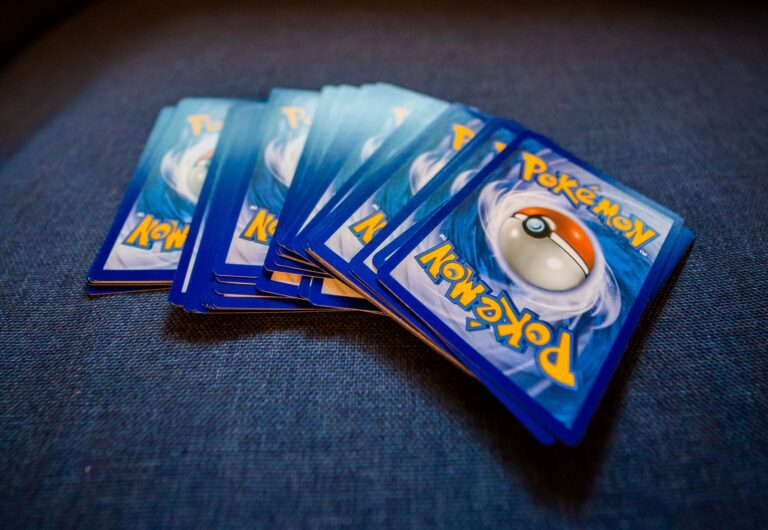
Vintage Pokémon buyers are searching for 1999-2000 labels right now because PSA grades have become the definitive marker of value in the collectible card market. When a card carries a PSA label—that tamper-evident encasement with a grade and certification number—it transforms from an unverified piece of cardboard into a certified asset with a documented, measurable condition. A 1999 Base Set 1st Edition Charizard graded PSA 10 recently sold for $550,000, while an ungraded version of the same card, even in excellent condition, might fetch a fraction of that price. The label is what makes that price floor real.
The reason collectors and investors are specifically hunting 1999-2000 era cards is that the population of high-grade examples from this period is extraordinarily small. Most cards from these early years were played with, damaged, lost to time, or simply discarded. Those that survived in near-mint or gem-mint condition are rarer than most people realize. Combine that extreme scarcity with a 20% surge in vintage Pokémon card values over the last six months, and you have collectors actively searching for any 1999-2000 card they can get graded—because the PSA label attached to it might unlock significantly more value than they expect.
Table of Contents
- Why Are 1999-2000 Pokémon Cards Becoming More Valuable?
- The PSA Label as the Actual Value Driver
- Rarity and Population Data Shape Every Price
- Understanding PSA Grade Criteria and Why Collectors Care
- The Risk of Overlooking Condition in the Vintage Card Hunt
- Recent Market Shifts Favoring Early WOTC Era Cards
- The Future of 1999-2000 Vintage Card Investment
- Conclusion
Why Are 1999-2000 Pokémon Cards Becoming More Valuable?
The 1999-2000 window represents the birth of the Pokémon Trading Card Game in English-speaking markets. base set, released in 1999, is the foundational set that kicked off everything. Cards from this era carry historical weight, nostalgia value, and extreme scarcity in high grade. Neo-era vintage WOTC cards (1999-2002) are emerging as the fastest-growing collectible segment, outpacing even modern releases. But here’s the critical limitation: not every 1999 card will command premium prices.
The market cares about both set and condition. A 1999 Base Set 1st Edition in PSA 10 is worth thousands or more. A 1999 card in PSA 4 or 5 might be worth a few hundred dollars. The difference is the grade, and the grade is only official once it’s on the label. This is why buyers are actively seeking these cards—they’re trying to find raw copies that might grade higher than their current owner realizes, or they’re looking to add graded examples to their collections at fair prices before the market inflates further.
The PSA Label as the Actual Value Driver
The PSA LightHouse label does more than authenticate a card—it establishes a common language for value across the entire market. When you see a card graded PSA 10, every collector understands what that means: a card with virtually no flaws, exceptional centering, sharp corners, clean edges, and pristine surface. That standardization is worth real money, because without it, two collectors might disagree on whether a card is worth $1,000 or $10,000. The grading scale runs from 1 (poor) to 10 (gem mint), and collectors evaluate cards on four specific criteria: centering, corners, edges, and surface condition. A single issue in any of these categories can drop a card from PSA 10 to PSA 9, and that drop represents a significant price reduction.
A complete 1999 Base Set with every card graded PSA 10 recently sold for $911,629.69—but only nine complete sets at that grade level are known to exist. For context, the same set with mixed grades (some PSA 8, some PSA 9, some PSA 10) would fetch far less. The limitation here is real: if you own a raw 1999 card and submit it for grading, you’re taking a risk. If it comes back PSA 7 instead of PSA 8, you’ve paid the grading fee and potentially locked in a lower grade that might make the card harder to sell. This is why experienced collectors are selective about which raw cards they grade. The label protects value, but only if the grade supports it.
Rarity and Population Data Shape Every Price
The number of copies graded in high condition is the single most important value driver in the vintage Pokémon market. A 1999 Base Set 1st Edition Charizard is valuable because approximately 124 copies are known to exist in PSA 10 condition. Compare that to a 1999 Base Set 1st Edition Pikachu, of which far fewer PSA 10 copies exist, and you understand why population data matters more than rarity legend status. Most 1999 Base Set cards were actively played with during childhood. Kids folded them, bent them, put them in pockets, traded them roughly, and exposed them to sunlight and moisture. The cards that survived without these kinds of damage are genuinely rare. This is why buyers searching for 1999-2000 labels are trying to find ungraded copies from collections that were stored carefully and never saw play.
A card stored in a binder in a climate-controlled closet for 25 years might grade PSA 9 or better. A card that was in someone’s deck stands a far lower chance. Scarcity extends beyond individual cards. A complete 1999 Base Set with every card graded PSA 10 exists in only nine known copies. That’s nine sets in the entire world. When something exists in single digits, the price becomes more about collector demand and less about traditional market supply. These complete sets represent the absolute ceiling of the market, where rarity and condition intersect perfectly.
Understanding PSA Grade Criteria and Why Collectors Care
The PSA grading system evaluates four core criteria, and understanding them helps explain why a card graded PSA 9 might still be missing thousands of dollars in value compared to a PSA 10. Centering refers to how evenly the image is positioned within the card’s borders—even a 55/45 centering split can prevent a PSA 10 grade. Corners require sharp, clean edges with no whitening or wear. Edges must be clean with no fraying or bending. Surface condition means no creases, stains, surface loss, or printing defects. A 1999 Base Set card that checks all these boxes in perfect condition is genuinely exceptional. Most cards from that era show at least minor centering issues or light edge wear that drops them into the PSA 8 or 9 range.
This is why collectors grade cards—they’re hoping their card is the rare exception that meets PSA 10 standards. The difference between PSA 9 and PSA 10 for a desirable 1999 card can be tens of thousands of dollars. The tradeoff collectors face is timing. Submit a card while the market is hot, and a high grade is immediately valuable. Hold the card ungraded, waiting for a perfect moment to grade it, and market conditions might shift. Additionally, grading takes time. A standard PSA submission currently takes weeks to process. In a hot market, waiting can mean missing peak pricing for that particular card.
The Risk of Overlooking Condition in the Vintage Card Hunt
Collectors excited to find a 1999-2000 card sometimes overlook condition issues because they’re focused on rarity and set. A 1999 Base Set Blastoise might be the card they need to complete their set, but if it shows creasing, staining, or significant centering issues, it might only grade PSA 5 or 6. That grade is a warning sign that the card isn’t a true investment-grade piece, even if it’s valuable within the vintage market. Another risk: counterfeit or reprinted cards. While most 1999 Base Set cards are legitimate, the market has seen reprints and reproductions.
Before submitting a card for grading or paying premium prices, experienced collectors verify authenticity through factors like card stock quality, printing patterns, and ink color. PSA graders catch counterfeits, but it’s worth knowing that submitting a fake card to PSA will get the card rejected and returned, not graded. The warning here is straightforward: don’t assume every 1999-2000 card in decent condition is worth grading. Some cards, even from iconic sets, won’t grade high enough to justify the grading fee. Only grade cards you believe will achieve PSA 8 or higher—or cards where even a lower grade carries collector value due to rarity or set significance.
Recent Market Shifts Favoring Early WOTC Era Cards
The last six months of the 2025-2026 market cycle saw vintage Pokémon cards appreciate by approximately 20%. This surge is particularly pronounced in Neo-era vintage WOTC cards from 1999-2002. The driver is twofold: continued popularity of Pokémon in mainstream culture, combined with the realization among investors that truly rare, graded 1999-2000 cards are finite assets that won’t be reprinted.
A complete 1999 Base Set PSA 10, valued at over $911,000, is no longer just a collector’s dream—it’s becoming an institutional-grade asset. Museums and high-net-worth collectors are treating these cards as portable, historical investments comparable to fine art or rare coins. This shift in perception has pulled in new buyers, which has pushed valuations higher. The market is rewarding sellers who held 1999-2000 cards through the 2023-2024 downturn.
The Future of 1999-2000 Vintage Card Investment
Looking ahead, the value of properly graded 1999-2000 Pokémon cards is likely to remain strong, assuming the overall collectibles market stays stable. The supply is fixed—no new 1999 Base Sets will ever be printed. Every card that exists today is the entire supply that will ever exist. As populations of high-grade cards stay small (approximately 124 known PSA 10 Charizards, for example), the scarcity story only gets stronger.
However, collectors should be realistic about one factor: not every 1999-2000 card will appreciate exponentially. Mid-tier cards from the era might hold value without multiplying in price. Only the rarest cards in the highest grades are reliably treated as blue-chip collectibles by institutional buyers. For individual collectors and investors, the best strategy remains finding quality raw cards, getting them authenticated and graded, and holding long-term.
Conclusion
Vintage Pokémon buyers are searching for 1999-2000 labels because labels represent the intersection of rarity, condition, and historical significance. A PSA grade transforms a raw card into a certified asset with a clear market price. The 1999-2000 era is the birthplace of Pokémon TCG in the English market, and the extreme scarcity of high-grade examples from that period has created a market where a single label can mean hundreds of thousands of dollars in value difference.
If you’re buying or collecting 1999-2000 Pokémon cards, prioritize condition assessment and realistic grading expectations. Not every old card deserves a PSA 10 label, but the ones that do are genuinely rare collectibles with enduring value. The market has spoken, and it’s willing to reward both preservation and luck in finding exceptional early cards.