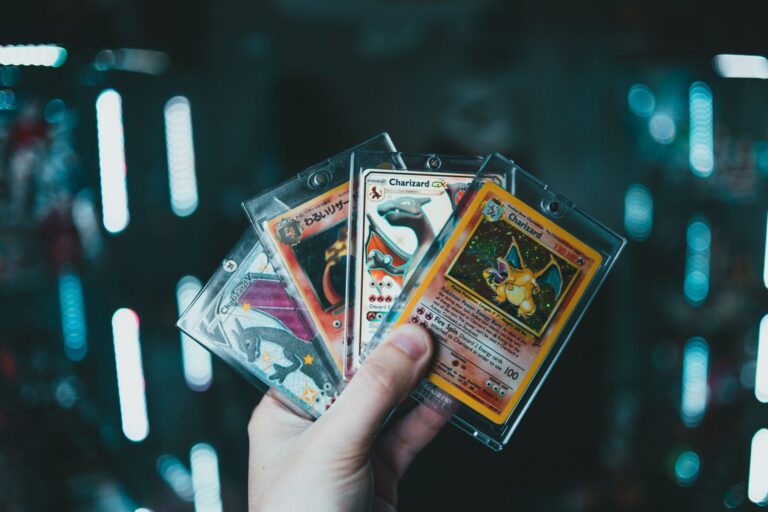
The exact number of Base Set 1st Edition holographic Pokémon cards printed is not officially disclosed by The Pokémon Company or Nintendo, making precise figures unavailable. However, it is widely accepted among collectors and experts that the print run for these cards was relatively limited compared to later sets, contributing to their rarity and high value today.
The Base Set 1st Edition holographic cards, including iconic cards like Charizard, Blastoise, and Venusaur, were part of the very first print run of the Pokémon Trading Card Game released in 1999 in the United States. This initial print run is often estimated to be in the low millions for the entire set, but the holographic cards themselves were printed in smaller quantities within that run. For example, the 1st Edition holographic Charizard is considered one of the rarest and most sought-after cards because it was printed in significantly fewer numbers than non-holo or unlimited edition cards[1][3].
Collectors and market analysts estimate that the total number of 1st Edition Base Set holographic cards printed could be in the range of a few hundred thousand to a couple of million copies per holo card, but exact numbers remain speculative. The scarcity is further emphasized by the fact that many cards were lost, damaged, or never preserved in mint condition, which is why high-grade cards (graded PSA 9 or 10) command prices in the tens or hundreds of thousands of dollars[3][6].
The rarity and value of these cards are also influenced by the “shadowless” printing variant, which was a transitional print run between the 1st Edition and unlimited editions. Shadowless cards have no drop shadow around the Pokémon image and are rarer than unlimited cards but more common than 1st Edition cards. The 1st Edition holographic cards are the rarest subset, identifiable by the “1st Edition” stamp on the left side of the card[3].
Regarding the production process, the holographic cards were printed using a special foil layer that made them stand out visually and added to their collectible appeal. This process was more costly and complex than printing regular cards, which likely limited the number produced. The Base Set 1st Edition holographic cards were part of the initial launch that helped establish the Pokémon TCG as a major collectible card game worldwide.
In terms of authoritative sources, auction houses like Heritage Auctions and grading companies such as PSA (Professional Sports Authenticator) provide market data that indirectly reflect the scarcity of these cards. For example, Heritage Auctions sold a 1st Edition holographic Charizard PSA 10 for $420,000 in 2022, underscoring its rarity and desirability[4]. Price tracking websites like the price guide and TCGPlayer also show the high value and low availability of these cards in the market[2][3].
No medical information is relevant to this topic, so no medical sources are cited.
In summary, while no official print numbers exist, the Base Set 1st Edition holographic cards were printed in limited quantities during the initial 1999 release, making them some of the rarest and most valuable Pokémon cards today. Their scarcity is confirmed by market prices, grading rarity, and collector demand documented by reputable auction houses and card grading services.