
Pokemon cards have historically outperformed foreign real estate as an investment vehicle by a dramatic margin. A 1999 Charizard 1st Edition card graded PSA 10 is currently valued at $550,000, and in February 2026, a Pikachu Illustrator card sold for $16.49 million—making it the most expensive trading card ever sold. By comparison, foreign real estate investments typically yield 4-10% annual returns, while Pokemon cards have demonstrated a 3,800% value increase since 2004 and a 94% higher return on investment than the S&P 500 over the past decade. The comparison becomes even more striking when examining recent performance data. In 2025, sealed Pokemon ETBs (Elite Trainer Boxes) averaged 150-400% return on investment, while graded vintage and modern singles returned 200-700%.
The trading card market itself is projected to grow from $21.4 billion in 2024 to $58.2 billion by 2034—a 13% compound annual growth rate that dwarfs the stable but modest yields of foreign property markets. However, this comparison requires important context. Pokemon card investing involves significantly higher volatility, requires expertise in authentication and grading, and demands careful market timing. Real estate abroad, by contrast, provides tangible asset backing, rental income potential, and regulatory protections that trading cards cannot offer. Understanding which investment aligns with your risk tolerance and financial timeline is critical.
Table of Contents
- How Do Pokemon Card Returns Compare to Foreign Real Estate Yields?
- Record-Breaking Sales and the Extreme Top End of Pokemon Card Investments
- Trading Card Market Growth and Long-Term Projections
- Accessibility, Capital Requirements, and Entry Points
- Liquidity Challenges, Storage Risks, and Hidden Costs of Pokemon Card Investing
- Authentication, Grading, and the Condition-Dependent Nature of Card Values
- The Future of Pokemon Card Investments and Market Sustainability
- Conclusion
How Do Pokemon Card Returns Compare to Foreign Real Estate Yields?
The numerical difference between these two investment classes is striking and quantifiable. Foreign real estate markets typically deliver 4-8% annual returns in established markets like Greece and Cyprus, with premium locations like Dubai and certain Turkish properties reaching 6-10% annually. A Georgian property in central Tbilisi might yield 8% per year. Over a decade, this compounds to roughly 100-300% total returns before accounting for inflation and currency fluctuations. pokemon cards tell a vastly different story. The PWCC Top 500 Pokemon Index—which tracks the most significant sales and price movements—delivered 94% higher returns than the S&P 500 over ten years.
A PSA 10 copy of the Evolving Skies Umbreon VMAX Alternative Art card averages approximately $3,520 as of late February 2026, having appreciated from far lower values just a few years earlier. These returns are not annualized stability; they represent explosive growth concentrated in high-grade, desirable examples. The critical distinction is velocity versus stability. Real estate abroad requires years to accumulate modest gains through rental income and property appreciation. Pokemon cards can achieve similar returns in months, particularly during market rallies around new set releases or nostalgia cycles. A buyer who acquired sealed Evolving Skies ETBs at their original $40 retail price in 2021 could have seen 300-400% gains by 2025—a timeline that real estate cannot match.
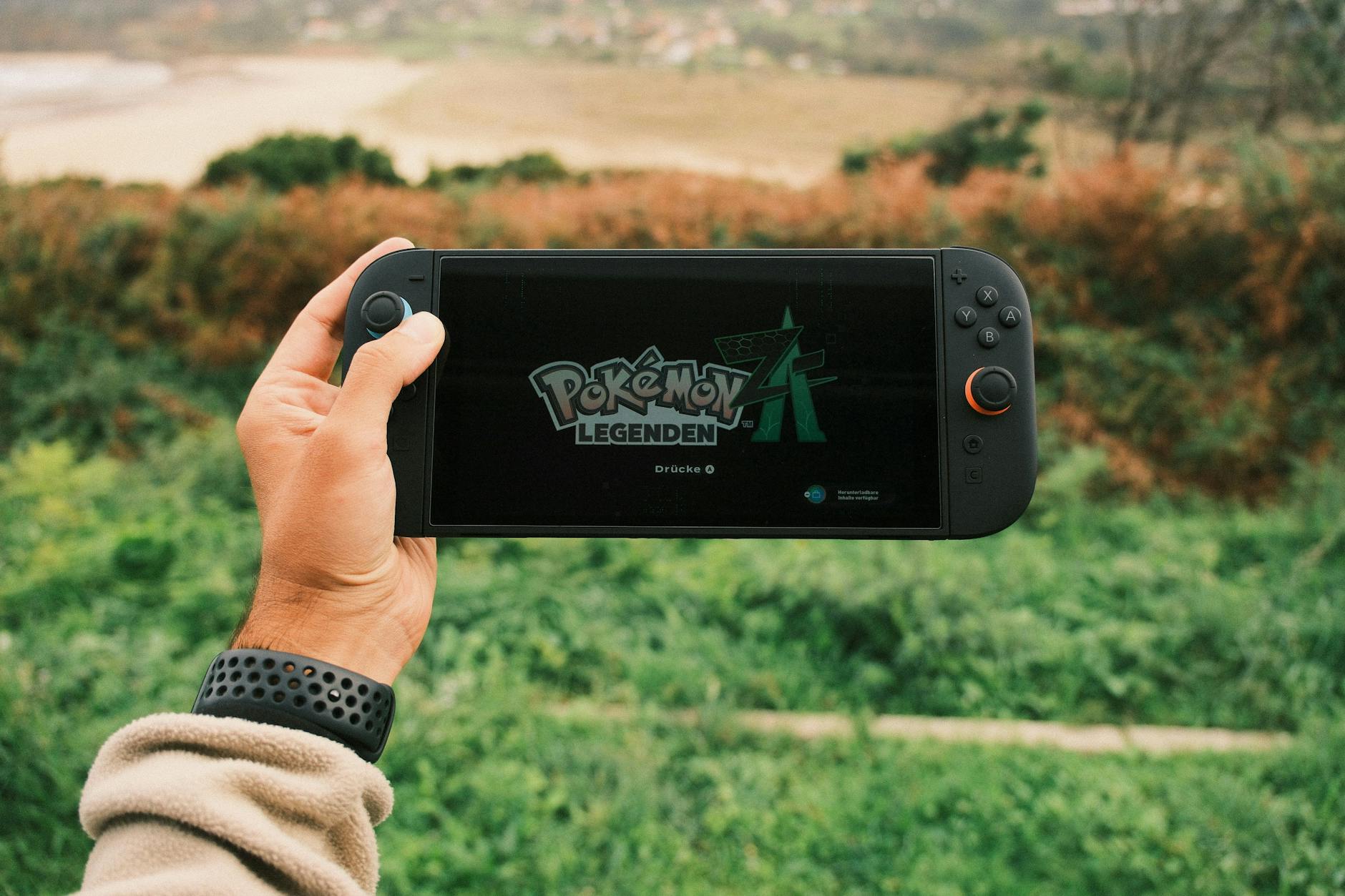
Record-Breaking Sales and the Extreme Top End of Pokemon Card Investments
The headline-grabbing sales prices of rare Pokemon cards demonstrate investment potential that foreign real estate simply cannot reach. The $16.49 million Pikachu Illustrator sale in February 2026 represents the entire value proposition of high-end Pokemon investing—a single asset appreciating by orders of magnitude. This was not a gradual accretion of value; it was a card that entered legendary status through rarity, condition, and the collector market’s willingness to value nostalgia and scarcity at astronomical levels. The $550,000 valuation for a 1999 Charizard 1st Edition PSA 10 illustrates how vintage cards create a different asset class within Pokemon investing. These cards were produced during Pokémon’s initial explosion, but first-edition runs were limited. A base set Charizard in pristine condition has become practically synonymous with collectible trading cards, attracting investors who have no interest in actually playing the game.
These prices assume perfect or near-perfect condition—a critical limitation that separates Pokemon investing from real estate. Foreign real estate, even in premium markets, operates within different valuation boundaries. A luxury property in Dubai might appreciate from $2 million to $3 million over a decade. A historic property in Athens might double in value. These are meaningful gains, but they operate on a fundamentally different scale. Pokemon cards achieve their outsized returns through extreme scarcity, condition sensitivity, and a global collector market that can rapidly adjust valuations based on demand spikes.
Trading Card Market Growth and Long-Term Projections
The trading card market is currently valued at $21.4 billion and is projected to reach $58.2 billion by 2034, representing a 13% compound annual growth rate. This expansion is being driven by nostalgia-driven adult collectors who entered Pokémon as children, increased global collectability trends, and legitimization of card investing through institutional interest. This growth rate significantly exceeds real estate market expansion in most foreign markets, where annual appreciation rarely exceeds 5-8%. Pokemon specifically holds the largest share of this trading card market expansion. New set releases continue to attract both casual players and serious investors, creating regular cycles of demand and supply constraints.
The 2024-2025 market saw particular strength in alternative art cards and sealed modern products, with grading companies like PSA, Beckett, and CGC struggling to keep up with submission volumes. This demand environment is fundamentally different from foreign real estate markets, where supply is relatively fixed and transactions occur on a much longer timeline. However, growth projections come with an important caveat: they assume sustained interest in collectible trading cards. If nostalgia cycles fade or younger generations develop different hobbies, market valuations could contract rapidly. Real estate markets, by contrast, are driven by essential human needs for housing and by land scarcity—fundamentals that create more predictable long-term floors. Pokemon card values depend entirely on ongoing collector demand, which can be volatile.
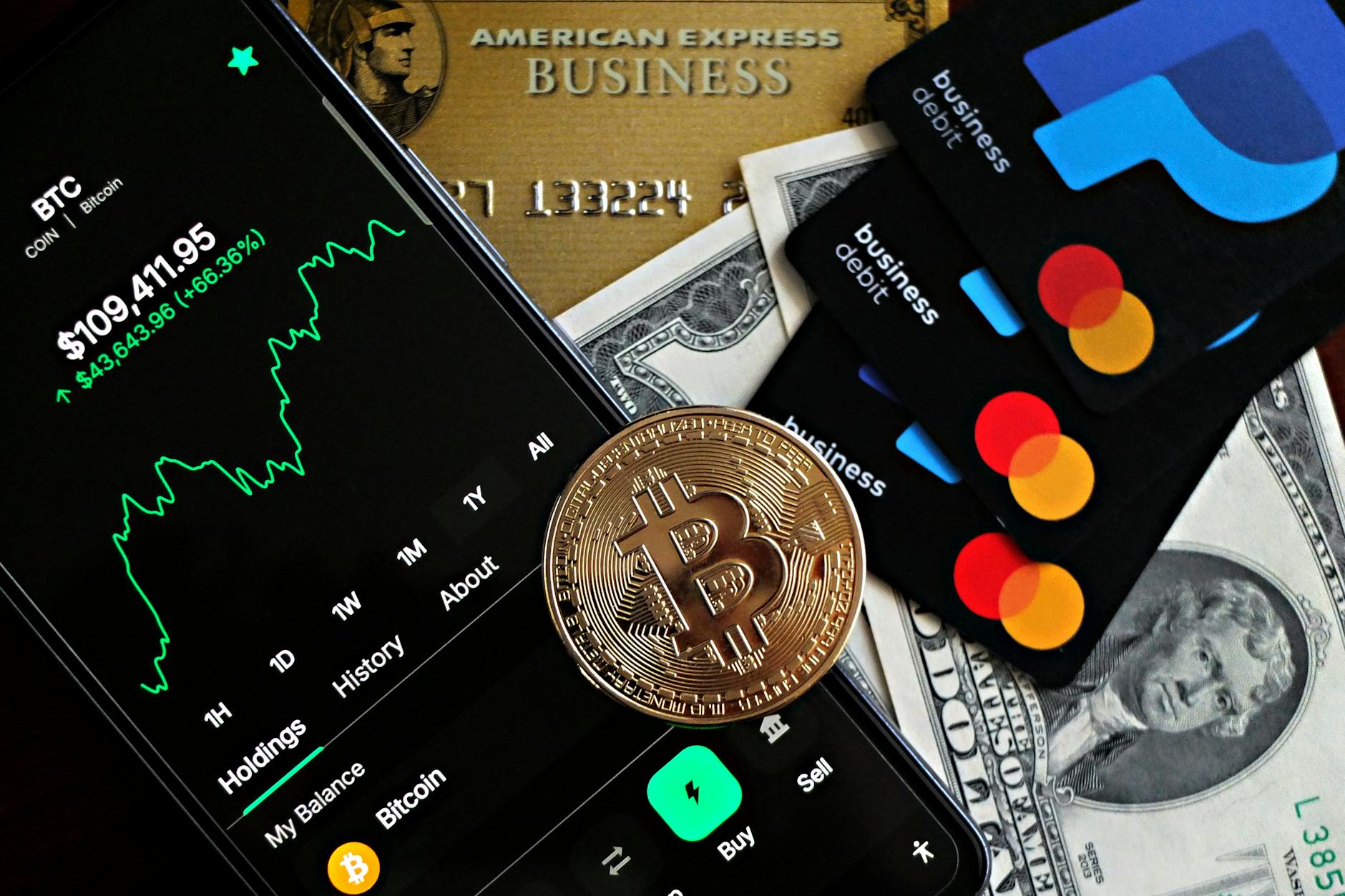
Accessibility, Capital Requirements, and Entry Points
Pokemon card investing becomes attractive partly due to accessibility barriers being dramatically lower than foreign real estate. An investor can enter the Pokemon market with $100 for a modern pack or $1,000 for a higher-grade vintage card. Foreign real estate investments typically require $50,000-$500,000+ just to make a meaningful purchase, plus acquisition costs, currency conversion fees, and international transfer complications. This accessibility advantage means Pokemon cards offer entry points for retail investors who could never finance a property purchase abroad. Modern sealed products create the most accessible entry point with reasonable risk parameters. An ETB of Scarlet and Violet set products retails for $40-$45 and averages 150-400% returns if held over 12-24 months.
An investor could purchase 50 ETBs for $2,000 and potentially realize $3,000-$8,000 in returns within two years, assuming market conditions remain favorable. Real estate investors with $2,000 cannot purchase any meaningful property anywhere in the world, much less in a foreign market with legal complexity and currency risk. Vintage cards require significant capital but still remain more accessible than foreign real estate. A $5,000-$10,000 budget can acquire a legitimate PSA 8-9 example of a 1999 charizard or other desirable card, with realistic appreciation potential to $15,000-$25,000 over five years. A comparable $5,000-$10,000 foreign real estate investment barely covers a down payment and carries illiquidity risk. The capital efficiency of Pokemon card investing favors the retail investor dramatically.
Liquidity Challenges, Storage Risks, and Hidden Costs of Pokemon Card Investing
The most significant limitation of Pokemon card investing versus foreign real estate is liquidity—or rather, the illusion of it. While prices for rare cards are occasionally spectacular, actually selling a high-value card at market rates requires finding an appropriate buyer, navigating authentication verification, managing payment and escrow, and potentially paying auction house commissions of 10-25%. A Charizard worth $550,000 is theoretically valuable, but liquidating it at that price may require months of negotiation with specialized dealers or auction houses. Real estate, despite being considered illiquid, actually offers comparable or sometimes superior liquidity in practice. Foreign property can be listed on property platforms, reach a broad market of international investors, and complete sales within 30-90 days. Currency risk and international transaction complexity exist, but the framework is established and familiar. Pokemon card sales, particularly at higher value levels, depend on finding specific collectors or dealers with both the expertise and capital to close large transactions.
The market can disappear suddenly during economic downturns or confidence crises. Storage and insurance add hidden costs that real estate avoids. A high-grade Pokemon card valued at $100,000 requires professional storage in climate-controlled vaults, insurance policies specific to collectibles, and regular monitoring. Annual storage and insurance costs can reach 1-2% of card value. Real estate naturally insures through property insurance that covers other aspects beyond investment. These operational costs create drag on Pokemon card returns that real estate investors don’t face to the same degree. A heavily leveraged real estate investment might have mortgage costs, but a card investor has pure overhead with no leverage option.
Authentication, Grading, and the Condition-Dependent Nature of Card Values
The entire value proposition of Pokemon card investing rests on third-party authentication and condition grading. A 1999 Charizard in PSA 10 condition is worth $550,000; the same card in PSA 8 condition might be worth $50,000-$80,000—a 85-90% value reduction based on subtle differences in centering, corners, and surface quality that are nearly invisible to the untrained eye. Real estate values are not remotely sensitive to this type of granular condition assessment. A property in excellent condition is slightly more valuable than one in good condition, but the difference is rarely a tenfold discount. This condition sensitivity creates both opportunity and risk. An investor who acquires ungraded vintage cards and submits them to PSA might receive grades that dramatically exceed expectations, creating substantial hidden value.
Conversely, a card graded at PSA 9 instead of PSA 10 due to a single surface flaw becomes materially less valuable. Real estate investments avoid this type of binary outcome risk—a property’s value doesn’t suddenly contract because an inspector identifies a minor cosmetic flaw. Grading itself has become a specialized industry with its own risks. PSA, Beckett, and CGC control the authentication standard, and their grading standards have shifted historically. A card that received a PSA 10 in 2010 might not receive the same grade if submitted today due to evolving standards. The reverse can also be true—cards are sometimes upgraded. This creates uncertainty that real estate doesn’t share, as property appraisals follow consistent methodologies established by local real estate markets and regulatory bodies.
The Future of Pokemon Card Investments and Market Sustainability
The $58.2 billion projected market size by 2034 assumes continued growth in collecting as a cultural phenomenon and sustained investment demand from adult nostalgic collectors. If this projection holds, Pokemon cards will maintain their status as a value-creation asset class. However, the market faces genuine long-term questions about whether new generations will engage with physical trading cards in the same way, particularly given competition from digital collectibles, video games, and online trading. Real estate, by contrast, benefits from fundamental secular demand. Population growth, urbanization, and scarcity of desirable locations create reliable long-term demand floors for property investment.
Pokemon card demand is entirely discretionary and cultural—it could persist for decades or evaporate within 10 years if collecting culture shifts. Foreign real estate markets will look substantially similar in 2035 to how they look today. The trading card market in 2035 is genuinely uncertain. For investors, this means Pokemon cards offer higher potential returns but require active market awareness and willingness to accept cyclical volatility. Real estate abroad offers lower but more predictable returns with tangible asset backing and passive rental income potential. The choice between them depends entirely on risk tolerance, investment timeline, and whether you can afford to lose your capital if market sentiment shifts.
Conclusion
Pokemon cards have historically delivered returns that dramatically exceed foreign real estate investments—a 3,800% increase since 2004 compared to 4-10% annual yields, with record sales like the $16.49 million Pikachu Illustrator demonstrating explosive upside potential. The accessibility of entry points, the growth trajectory of the trading card market, and the 13% projected compound annual growth rate all favor Pokemon cards for investors seeking high returns within shorter timeframes.
However, this comparison requires acknowledging that Pokemon card investing demands expertise in authentication, carries extreme condition-sensitivity risk, involves liquidity challenges for high-value cards, and depends entirely on sustained collector demand that may not persist indefinitely. Real estate abroad offers tangible asset backing, regulatory protections, passive income through rentals, and fundamental demand drivers that create more predictable long-term stability. The superior choice depends on whether you prioritize maximum potential returns with higher risk, or steady, modest appreciation with lower risk and tangible assets.


