Pokemon cards are simply delivering superior investment returns compared to micro-investing apps—and the numbers make this unmistakable. A $10,000 Pokemon card investment generated a 37.5% return in 2025 alone, while the average micro-investing app delivered roughly 10% annually, matching the S&P 500 baseline. This isn’t a marginal difference. Over the long term, Pokemon cards have generated a cumulative 3,821% return since 2004, vastly outpacing the S&P 500’s 483% gain during the same 22-year period.
What makes Pokemon cards particularly compelling as an investment is not just their historical performance, but their momentum. As of January 2026, average Pokemon card values jumped 46% year-over-year, with some cornerstone sets like Evolving Skies surging 650%. Meanwhile, micro-investing apps continue to chase incremental gains through spare change accumulation and fractional shares—a strategy that generates steady but unspectacular returns in the 9-10% range annually. The choice between these investment vehicles isn’t really about diversification; it’s about where your capital can actually grow. Pokemon cards have proven they can deliver multiples of what robo-advisors and automated micro-investing platforms can offer, even after accounting for storage, grading, and authentication costs.
Table of Contents
- The Returns Gap: Why Pokemon Cards Dramatically Outperform Micro-Investing Apps
- Graded Cards and the Long-Term Growth Potential
- Tangible Assets vs. Digital Stock Positions
- Building a Pokemon Card Investment Portfolio vs. Dollar-Cost Averaging with Micro-Investing Apps
- The Risks of Pokemon Card Investing
- Market Momentum and Recent Record Sales
- The Future Outlook: Pokemon Cards vs. Passive Micro-Investing
- Conclusion
The Returns Gap: Why Pokemon Cards Dramatically Outperform Micro-Investing Apps
The performance differential between pokemon cards and micro-investing apps is staggering when you look at concrete numbers. Micro-investing applications—the kind that round up your coffee purchases into fractional stocks—delivered approximately 10% average annual returns in 2025, with even ESG-focused portfolios managing only 9.2% in 2024. These platforms charge fees, apply algorithmic adjustments, and target broad market exposure, which caps their upside at whatever the market generates. Pokemon cards, by contrast, generated 37.5% returns in a single year for investors who held diversified graded collections. The reason for this gap comes down to market dynamics. Micro-investing apps are essentially competing with every other passive investment strategy—they’re fighting to match or slightly beat index funds.
Pokemon cards operate in a different market entirely. Supply is fixed or declining (older sealed products are opened or destroyed, reducing available inventory), demand is driven by both collectors and investors, and rare cards appreciate faster than commodity stocks. An investor who allocated $10,000 to Evolving Skies graded cards would have seen their position appreciate 650% heading into 2026. The same $10,000 in a robo-advisor would have generated roughly $1,000-1,200 in gains over that same period. This comparison becomes even more striking when you extend the timeline. Projections suggest graded Pokemon cards will sustain 15-25% compound annual growth through 2035. Micro-investing apps will likely continue delivering single-digit to low double-digit returns, constrained by their underlying asset classes and fee structures.

Graded Cards and the Long-Term Growth Potential
One major advantage Pokemon cards hold over micro-investing apps is the precision of valuation. When you grade a card through PSA, BGS, or another recognized service, you get a standardized, verifiable asset with transparent market pricing. This creates the conditions for sustained appreciation because the market can clearly distinguish between a PSA 10 and a PSA 9—a distinction that translates directly into price premiums. Micro-investing apps, meanwhile, offer zero specificity. Your fractional shares of Apple are indistinguishable from everyone else’s fractional shares, which means you benefit only from broad market appreciation. The grading system also solves one of the biggest problems with collectibles investing: authentication and resale friction.
When you want to sell a graded card, its condition is already certified and buyers understand what they’re getting. With micro-investing apps, you’re locked into whatever liquidity the app provides, and you have zero control over when or how your assets are liquidated if the platform faces issues. Graded Pokemon cards trade on open markets—auction houses, specialized dealers, online platforms—which ensures you can always find a buyer at market-clearing prices. However, there’s an important limitation: grading costs money, typically $20-200+ per card depending on the service and turnaround time. This creates a floor below which it doesn’t make sense to grade cards, meaning cards worth less than $100-150 often don’t get formally graded. Micro-investing apps have no such friction—a $1 investment costs the same to initiate as a $100 one. The grading cost is worth it for high-value cards destined for long-term holds, but it’s an offset that reduces returns on lower-tier inventory.
Tangible Assets vs. Digital Stock Positions
There’s a psychological and practical advantage to owning something physical. When you hold a graded Pokemon card, you own an actual asset that exists in the world. It doesn’t depend on a company’s financial health, platform viability, or algorithmic decision-making. Micro-investing apps, by contrast, give you fractional ownership in companies and index funds—assets that are entirely digital and entirely dependent on continued platform operation and regulatory compliance. This tangibility matters more than investors typically acknowledge. If a micro-investing app faces regulatory scrutiny, gets acquired, or undergoes a forced liquidation, your positions may be forcibly transferred, sold, or subject to delays you can’t control. With Pokemon cards, you control the asset completely. It sits in your possession, in your storage solution, under your custody.
There’s no counterparty risk beyond the grading authority’s reputation, which is far more stable than any fintech platform. The tradeoff is clear, though: tangible assets require active management. You need secure storage (a safe, a safe deposit box, or climate-controlled storage). You need insurance. You need to track condition over time and avoid damage. Micro-investing apps automate all of this—your fractional shares sit in their system, they handle everything, and you pay a small annual fee (often 0.25-0.50% of assets under management). For someone who wants complete passive investing with zero friction, that ease of use is valuable. But that ease comes at the cost of returns, and it comes with counterparty risk that Pokemon cards eliminate.
Building a Pokemon Card Investment Portfolio vs. Dollar-Cost Averaging with Micro-Investing Apps
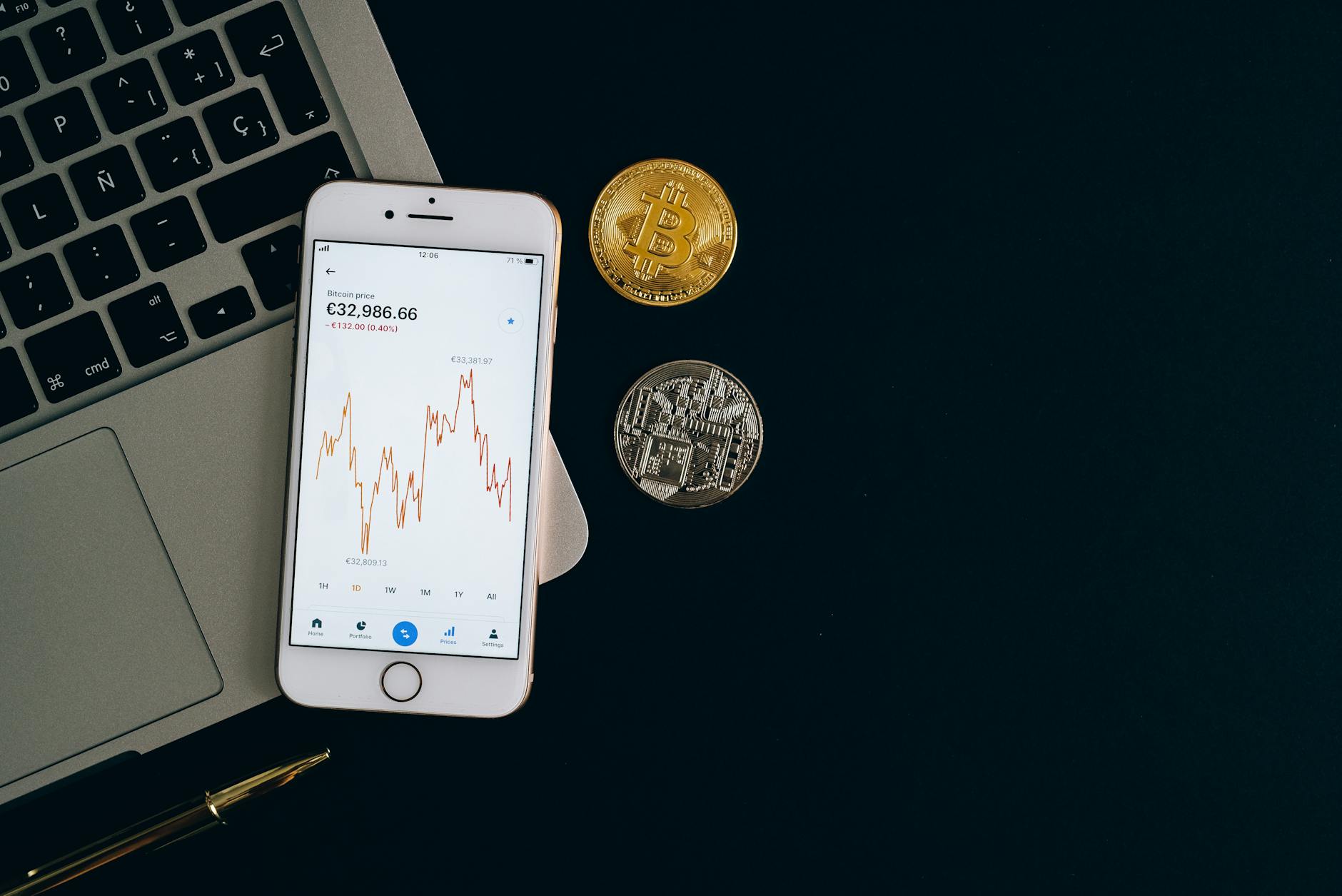
Many investors default to micro-investing apps because the strategy is simple: set it and forget it. Round up your purchases, let the app accumulate your spare change into fractional shares, and watch it grow. The math works out to roughly $1,050 per year for an average user ($28 per month via auto-roundup features), generating about $105-115 annually in gains at 10% returns. A Pokemon card investment approach requires more intentionality, but the returns justify the effort. Instead of scrounging for spare change, an investor might allocate a larger lump sum toward a graded card portfolio. Someone with $5,000 to invest could build a diverse collection across multiple sets, grades, and eras—perhaps $1,000 in high-grade classic cards, $1,500 in recent sealed Evolving Skies, $1,000 in mid-grade vintage, and $1,500 in undervalued emerging cards with growth potential.
That same $5,000 in a robo-advisor would generate roughly $500 annually in gains. The same $5,000 in Pokemon cards, based on 2025 performance, could easily generate $1,875+ in a single year, especially if allocated toward strong-performing sets. The comparison reveals something important: micro-investing apps excel for small, frequent investments where you want zero decision-making. Pokemon cards excel for investors with meaningful capital who can tolerate higher active involvement and higher upfront capital requirements. Neither approach is inherently wrong—they serve different use cases. But if your goal is investment returns, the Pokemon card route provides dramatically better outcomes for anyone with $1,000+ to deploy.
The Risks of Pokemon Card Investing
Pokemon card investing isn’t risk-free, and that risk profile differs substantially from micro-investing apps. The biggest risk is market sentiment. If Pokemon card demand suddenly declined—if a new competitor collectible emerged, if younger generations stopped valuing the franchise, or if the card supply flooded due to massive reprints—prices could collapse. Micro-investing apps face market risk too, but that risk is spread across thousands of companies and sectors, which provides diversification protection that individual card categories lack. Another significant risk is grading company solvency and reputation. PSA experienced a temporary shutdown in 2021 that locked investors out of their cards for extended periods. BGS had its own operational issues.
If a major grading authority collapsed or lost credibility, the value of graded cards would plummet because their entire premium depends on the grading authority’s brand. Micro-investing apps have institutional backing and regulatory oversight that protects your fractional shares from this kind of single-point-of-failure risk. Liquidity is a third risk factor. While graded Pokemon cards trade actively, they’re still less liquid than stock market assets. If you need to sell 50 graded cards in a single week, you might face downward price pressure. A micro-investing app lets you sell any position instantly during market hours at the market price. For someone who needs flexibility or might face sudden liquidity needs, that matters. But for long-term investors with a multi-year time horizon and no liquidity pressure, liquidity is less relevant—and Pokemon cards’ superior appreciation more than compensates for slightly longer selling timelines.
Market Momentum and Recent Record Sales
The Pokemon card market entered 2026 with exceptional momentum, and this momentum matters because it validates the investment case. In February 2026, a Pikachu Illustrator card sold for $16,492,000 at Goldin Auctions, becoming the new Guinness World Record holder for most expensive Pokemon card ever sold. That record sale generates headlines, attracts new investors, and signals to the market that rare Pokemon cards remain a viable store of value. Beyond the headline records, the broader market showed strength.
Card values jumped 20% in just six months heading into 2026. The Evolving Skies set, which had been a valuation floor in 2024, surged 650% by early 2026 as investors recognized the set’s scarcity and long-term appeal. These aren’t anomalies—they reflect a deepening market where professional investors, institutional collectors, and seasoned hobbyists are all competing for the same limited inventory. That dynamic drives price appreciation in ways that micro-investing app platforms simply can’t replicate, because those apps passively track existing companies, while Pokemon cards exist in a market where scarcity is absolute.
The Future Outlook: Pokemon Cards vs. Passive Micro-Investing
Looking forward to 2026-2035, the projections favor Pokemon cards significantly. Industry analysis suggests graded Pokemon cards will sustain 15-25% compound annual growth through 2035, assuming the market remains stable and collector demand continues. That’s roughly double or triple what micro-investing apps will deliver over the same period. The S&P 500 historically returns 10% annually; robo-advisors typically match that after fees.
Pokemon cards are projected to deliver 15-25%, creating a meaningful performance gap that compounds dramatically over a decade. The Pokemon franchise itself continues to generate new revenue through video games, television, merchandise, and trading card game innovations. Unlike a static stock index, the franchise is actively developing new products and reaching new audiences, which supports sustained demand for cards. Micro-investing apps have no such tailwinds—they’re passive vehicles that capture whatever returns the underlying markets generate. This structural advantage suggests Pokemon cards should continue outperforming through the next decade, making them the superior choice for investors seeking growth rather than indexing.
Conclusion
The investment case for Pokemon cards over micro-investing apps is straightforward: superior returns, lower counterparty risk, and tangible asset ownership. Pokemon cards generated 37.5% returns in 2025 compared to the 10% annual average of micro-investing apps. Over 22 years, they’ve appreciated 3,821% versus the S&P 500’s 483%. These aren’t marginal differences—they’re the kind of performance gaps that define investment success over decades. The practical path forward depends on your capital availability and risk tolerance.
If you have $1,000 or more to invest and can tolerate moderate active involvement (research, acquisition, storage), Pokemon cards offer significantly better return potential. If you prefer complete passivity and have only small amounts to invest regularly, micro-investing apps remain appropriate. But for anyone serious about investment returns, the data is clear: Pokemon cards have outperformed, are outperforming, and are projected to continue outperforming the passive investment vehicles that dominate the fintech space. The market is validating this case with record sales and sustained appreciation. The question isn’t whether Pokemon cards are a better investment—the historical record answers that definitively. The question is whether you’re prepared to act on that advantage.