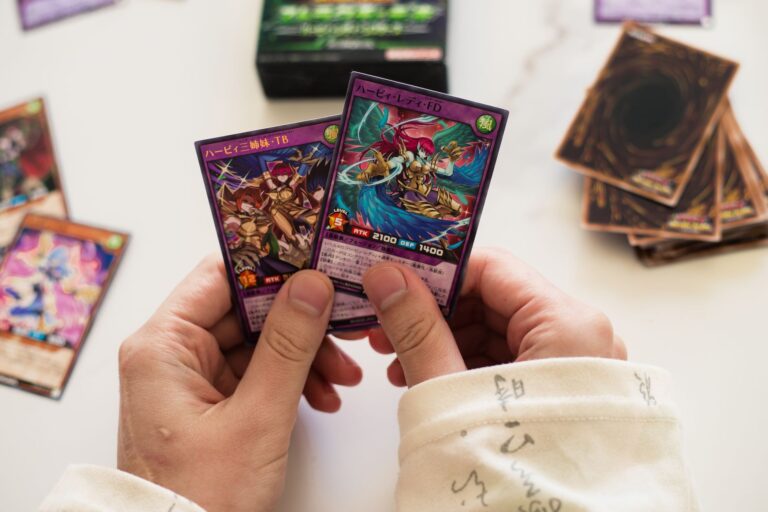
Serious Pokemon card players are increasingly making purchasing and collection decisions based on the competitive event calendar, fundamentally changing how the secondary market operates. Rather than buying cards on impulse or based solely on set release timing, collectors are now strategically acquiring cards months in advance of major tournaments, regionals, and international competitions where those cards will see play.
This shift has created predictable demand patterns that affect card prices, availability, and even which sets appreciate in value over time. A concrete example: when the Pokemon Company announced that a particular set would be legal for the World Championships, prices for key cards in that set immediately began climbing three to four months before the tournament date. Players knew they needed to complete their decks before the competition, and many waited until official announcements to make their final purchasing decisions, creating a spike in demand concentrated around the event calendar rather than spread evenly throughout the year.
Table of Contents
- How Tournament Schedules Drive Market Demand
- Format Rotations and Long-Term Planning Challenges
- Set Release Timing and Competitive Viability
- Building Competitive Decks Within Budget Constraints
- Inventory Depletion Before Major Events
- International Tournaments and Global Market Dynamics
- Future Planning and Format Evolution
- Conclusion
How Tournament Schedules Drive Market Demand
The Pokemon TCG has a structured competitive season that runs roughly from September through August, with Regional Championships, International Championships, and World Championships serving as the major milestones. players plan their deck construction and card acquisitions around these fixed dates, meaning that market demand isn’t random—it follows a predictable pattern tied to when competitions actually happen. A player who wants to compete at a Regional Championship in February needs their full deck built and tested by December, creating a buying window several months before the event. This creates a bottleneck effect.
As events draw closer, players who haven’t yet acquired necessary cards face dwindling inventory and rising prices. Conversely, immediately after major tournaments conclude, prices often soften because the urgent demand has been satisfied. Collectors who understand this pattern can time their purchases strategically—buying during the post-event lull rather than the pre-event surge. The variation in price between these periods can be substantial, sometimes 20-30% for staple cards that see competitive play.

Format Rotations and Long-Term Planning Challenges
Format rotations add another layer of complexity to event-based planning. The Pokemon Company announces format changes that typically take effect before the new competitive season begins, which means cards legal one year might be illegal the next. This creates a planning hazard: a player might invest heavily in cards for a particular archetype, only to have those cards rotated out of the format weeks before major events.
The practical limitation here is that even careful planners can’t completely insulate themselves from rotation risk. When the Company announces a rotation, every player with cards aging out of the format simultaneously recognizes those cards are becoming less valuable for competitive purposes. The secondary market for rotated cards often experiences sharp drops in the days and weeks following such announcements. A player who bought premium cards six months before rotation had no way to predict the timing perfectly, illustrating why event-based planning requires monitoring both the tournament calendar and official format announcements.
Set Release Timing and Competitive Viability
The Pokemon Company carefully times set releases to align with the competitive season. New sets typically release in September, November, January, March, and May, with the timing designed to introduce cards strategically before major events. A set released in January will have its cards legal for the late-season Regionals that culminate in the National Championships.
This means collectors don’t just need to monitor when sets come out—they need to understand which sets will be relevant for the competitions they care about. This alignment creates a specific pattern: the first Regional tournaments following a new set release typically see lower attendance from serious competitors because many players haven’t had time to acquire, test, and refine decks using the new cards. By the second or third event after a set release, competitive adoption of new cards accelerates significantly. Collectors looking to acquire staples from newly released sets should expect availability to tighten and prices to rise during this adoption period, making early purchases—right after a set releases—often more advantageous than waiting until cards see widespread competitive play.

Building Competitive Decks Within Budget Constraints
Players operating on limited budgets must make difficult tradeoffs when planning around the event calendar. The ideal approach—acquiring all necessary cards months in advance at lower prices—requires capital that many collectors simply don’t have. The alternative is buying cards closer to events when the full competitive metagame is visible, accepting that prices will be higher but gaining information about which cards are actually essential.
Some players split the difference by acquiring bulk cards and utility pieces during the post-event buying window, then waiting to purchase expensive playset staples until they’ve confirmed the competitive metagame. Others focus on single Regionals rather than trying to play the entire season, concentrating their purchases around specific events. Neither approach is objectively superior—they represent different ways of handling the tension between planning ahead and maintaining budget flexibility. Understanding this tradeoff is crucial for anyone trying to build a competitive collection without overspending on cards that might not fit the actual competitive environment.
Inventory Depletion Before Major Events
A significant warning: popular cards at the competitive sweet spot—cards that fit multiple competitive archetypes and see widespread play—can become completely unavailable days before major events. This is especially true for lower-population grades and conditions. A collector might research the optimal version of a card to acquire, only to find that all near-mint copies have sold through, leaving only heavily played or damaged versions at premium prices. The supply issue becomes more severe as events approach.
Tournament organizers often schedule Regional Championships on the same weekends across multiple locations, meaning a concentrated wave of demand hits the market simultaneously. By the time organizers announce the first weekend of Regionals, serious players have already moved through their shopping lists. Secondary market sellers know this pattern, and many intentionally hold inventory back for this predictable demand surge. This means waiting too long to make purchases can result in paying premium prices for suboptimal condition cards or being unable to complete a deck at all.

International Tournaments and Global Market Dynamics
When World Championships or International Championships are announced, the demand patterns become global rather than regional. Players from multiple countries are competing for the same limited printings and copies of cards, which can push prices higher and deplete supply faster than domestic Regionals alone would. The World Championships in particular create a multi-month planning window where serious competitors begin building and testing potential World-legal decks.
A practical example: during the months leading up to recent World Championships, staple cards from World-legal sets saw 30-50% price increases compared to their value immediately after those sets released. International demand combined with the prestige of World-level competition created a market surge that lasted from announcement through the tournament itself. Collectors competing at that level face higher absolute costs but also higher stakes justifying the investment.
Future Planning and Format Evolution
The Pokemon Company continues to experiment with competitive structure, occasionally adjusting the event calendar, format rotation timing, and which sets see competitive play. Players who plan purely around the current calendar structure may face disruptions if the Company makes significant changes.
However, the fundamental principle—that events drive demand and demand affects prices—will remain consistent regardless of specific schedule modifications. Looking forward, collectors should expect the event-driven pricing pattern to become even more pronounced as the competitive scene matures and more players recognize these patterns. This may lead to more sophisticated planning among serious collectors and potentially greater price volatility during key windows as players adjust their strategies to account for event timing.
Conclusion
Players planning around event schedules are responding to real market dynamics created by the Pokemon Company’s competitive calendar. The strategic advantage goes to collectors who understand when demand spikes occur, why they occur, and how to position their purchasing decisions accordingly.
Rather than treating card acquisition as a continuous process, event-aware planning recognizes that the competitive calendar creates concentrated windows of demand and opportunity. For collectors at all levels—whether competing at Regionals, building casual decks, or investing in cards—acknowledging event schedules as a factor in purchase timing and pricing expectations is essential. The most successful collectors combine this understanding with realistic budget awareness and willingness to adjust strategies based on actual competitive metagames rather than theoretical assumptions about which cards will matter.