
Yes, players from other Pokémon titles can bring their Pokémon directly into Pokémon Champions, thanks to Pokémon HOME integration. When Pokémon Champions launched on Nintendo Switch on April 8, 2026, the platform opened the door for competitors to use Pokémon they’ve befriended across multiple games—whether from Pokémon Legends: Z-A, Pokémon GO, or other supported titles. This represents a significant shift in how players can approach competitive Pokémon, merging collections from years of gameplay into a single competitive ecosystem.
The free-to-start model removes the barrier to entry, meaning players with existing Pokémon from other games can jump into Champions without any upfront investment. A player who has spent months building a collection in Pokémon GO, for example, can now transfer those creatures to Champions and compete at official tournaments, provided their team meets the competitive ruleset requirements. This cross-title flexibility has redefined what it means to be a Pokémon competitor in 2026.
Table of Contents
- How Can Players Bring Pokémon From Other Games Into Champions?
- Understanding the Free-to-Start Model for Cross-Game Players
- When Does Cross-Game Competition Begin?
- Building a Competitive Team From Multiple Game Sources
- Managing Expectations Around Platform Stability and Reception
- How Mobile Release Will Transform Cross-Title Play
- The Broader Future of Multi-Title Pokémon Integration
- Conclusion
How Can Players Bring Pokémon From Other Games Into Champions?
pokémon HOME serves as the central hub connecting Pokémon Champions to your existing game libraries. This cloud service allows seamless transfer of compatible Pokémon from Pokémon Legends: Z-A, Pokémon GO, and other integrated titles directly into your Champions roster. The integration is straightforward—players authorize HOME access in Champions, and their compatible Pokémon become immediately available for team building and competitive play. Not every Pokémon available in source games makes it into Champions unchanged. The platform has specific compatibility requirements and competitive regulations that determine which Pokémon and which movesets are legal for tournament play.
For instance, a Pokémon transferred from Pokémon GO may arrive with different stats or capabilities than the same species encountered in Legends: Z-A. Players need to verify their imported Pokémon meet current competitive standards before relying on them in sanctioned events. This multi-source approach creates unprecedented team-building flexibility. A competitor might use a Pokémon transferred from their Pokémon GO collection for one slot, a legendary caught in Legends: Z-A for another, and creatures trained directly in Champions for the remaining team members. The limitation is that not all Pokémon species or forms available in other games appear in Champions, restricting some traditional favorites to non-competitive play.

Understanding the Free-to-Start Model for Cross-Game Players
Pokémon Champions operates on a free-to-start foundation, meaning players can download and begin playing at no cost on Nintendo Switch. This removes the traditional paywall that might have prevented casual players from testing competitive waters, especially those already invested in Pokémon from other titles who want to see if Champions suits their competitive interests before committing financially. The free-to-start approach doesn’t mean competitive play is free forever. The article should note that competitive features, cosmetics, or advanced team slots may require spending, though The Pokémon Company has not released detailed monetization specifics as of launch.
Players accustomed to the transparent pricing models of other Pokémon games may find unexpected costs once they reach competitive tiers, making this a potential gotcha for casual players importing their collections. Mobile availability arriving later in 2026 introduces another consideration. Right now, importing Pokémon and competing requires a Nintendo Switch, potentially limiting accessibility for players who primarily use phones. Once the mobile version launches with cross-platform play enabled, the experience becomes far more convenient, but this delayed rollout means early-season competitors have a hardware advantage.
When Does Cross-Game Competition Begin?
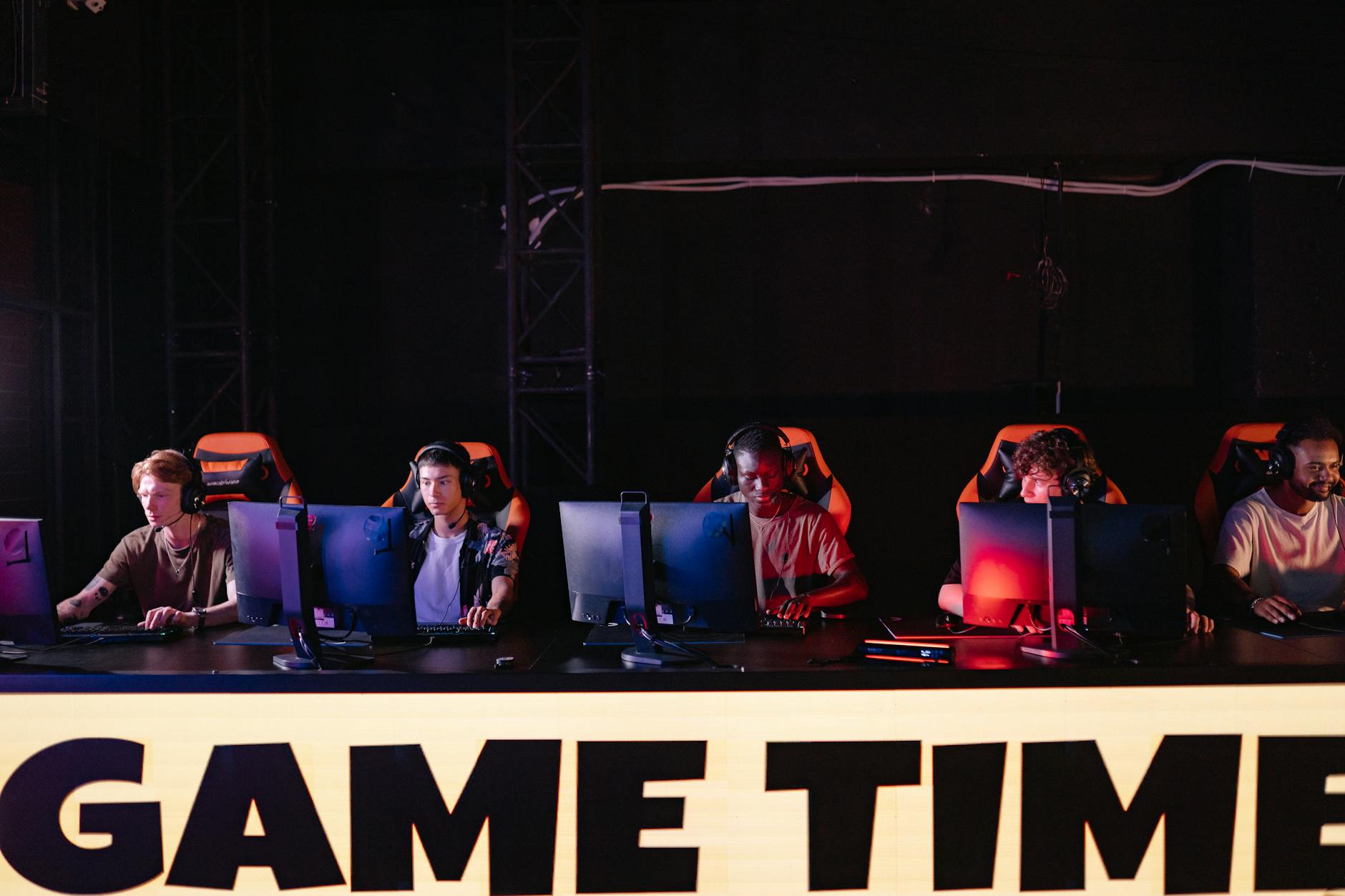
The Indianapolis Regional Championships on May 29-31, 2026, marks the first official Pokémon Championship Series event running exclusively on Pokémon Champions as its competition platform. This is no longer theoretical—players are already using imported Pokémon from other titles to build competitive rosters for this real, sanctioned event. The timeline represents a hard deadline for serious competitors to have transferred their key Pokémon and verified them against the current ruleset. The transition accelerates from there. Summer 2026 brings mandatory Friendly Tournament requirements on Champions, expanding the platform’s role beyond regional championships.
The most significant milestone arrives September 1, 2027, when all Championship Point events become mandatory on Pokémon Champions. This means any player hoping to accumulate points toward world championships must have their rosters migrated and competitive-ready by that date, or they face exclusion from the official competitive calendar. For players importing Pokémon from multiple sources, this timeline creates strategic pressure. The longer someone waits to transfer and test their imported team, the less time they have to identify compatibility issues, learn the Champions interface, and practice with their cross-game roster before Indianapolis. An early adopter who transferred Pokémon in April has months to refine their strategy; a player waiting until summer might rush their preparation.
Building a Competitive Team From Multiple Game Sources
Assembling a Champions team from Pokémon across different titles requires understanding what each source offers and what the competitive format demands. A player might import high-IV Pokémon from Pokémon GO for specific roles, transfer trained legendaries from Legends: Z-A, and catch Champions-native creatures to fill gaps. The strategic advantage emerges from choosing the right Pokémon from the right source—not every creature imported from another title will outperform its Champions-trained counterpart. The comparison here is nuanced. Pokémon GO has long cultivated players who optimize IV distributions obsessively, but those same creatures may arrive in Champions with limited move pools or stat distributions that don’t align with Champions’ competitive meta.
Conversely, creatures bred specifically in Pokémon Legends: Z-A arrive with strategic movesets already optimized for competitive frameworks. A new Champions player might assume their meticulously-trained GO collection transfers directly; they’ll discover gaps that require supplementing with Champions-native or Legends: Z-A imports. The tradeoff between diversity and optimization becomes real once competitive play begins. Importing one strong Pokémon from each source creates a varied team with different strengths, but it may lack synergy or focused strategy. A player might achieve better results specializing in Pokémon from a single source, understanding their strengths deeply, rather than scattering imports across multiple origins. The Indianapolis Regionals will likely reveal which approach succeeds most consistently.
Managing Expectations Around Platform Stability and Reception
With a 44% recommendation rate from critics at launch, Pokémon Champions enters its competitive life with mixed reception. This rating suggests meaningful friction with the platform for a significant portion of players—whether through interface confusion, technical issues, or feature gaps. Players importing valuable creatures from other titles should be cautious about placing their competitive hopes entirely on Champions during this early, less-refined stage. Technical stability deserves particular attention for anyone transferring their best Pokémon. A crash that corrupts imported data or a compatibility glitch that locks transferred creatures out of play would be catastrophic for competitors preparing for Indianapolis.
Early reports should be monitored carefully before committing irreplaceable collections. Similarly, the free-to-start monetization model’s details remain somewhat opaque, and aggressive paywalls could emerge post-launch, potentially making Champions less accessible to players relying on free-to-start promises. The limited positive reception also warns against assuming Champions will become the standard Pokemon competitive platform overnight. Some players from other titles may attempt Champions, find the experience lacks what they valued about their original games, and return to competing through older platforms if those options remain available. The September 1, 2027 mandatory cutover suggests The Pokémon Company itself recognizes Champions needs time to mature before becoming the true competitive hub.
How Mobile Release Will Transform Cross-Title Play
When Pokémon Champions arrives on mobile devices later in 2026, cross-platform play will activate, fundamentally altering the experience for players importing Pokémon from other titles. Right now, competitors must own a Nintendo Switch to import creatures and train their teams. A mobile release removes this hardware gatekeeping, allowing Switch-bound players to manage and compete with their imported teams from phones during travel or downtime.
The example scenario is straightforward: a player on a business trip can use their phone to access Champions and their imported collection, review matchups for an upcoming weekend tournament, and adjust team strategies without a Switch present. This convenience matters significantly for serious competitors trying to squeeze practice time into busy schedules. However, the delayed mobile launch until later in 2026 means early competitors building teams around imported Pokémon from other games have a competitive advantage from the Spring season through summer before the mobile barrier dissolves.
The Broader Future of Multi-Title Pokémon Integration
The success of importing Pokémon from multiple titles into a single competitive platform signals a strategic shift for The Pokémon Company toward unified ecosystems rather than siloed game experiences. Pokémon HOME has always existed as a technical bridge, but Champions represents the first major competitive implementation that leverages this bridge as the central competitive pathway. Future Pokémon titles will likely design integration with Champions from day one, further dissolving boundaries between games.
This trajectory suggests that players who began collecting in Pokémon GO, Legends: Z-A, or other titles aren’t investing in isolated experiences but building collections that compound value across an increasingly connected franchise ecosystem. A Pokémon caught and trained today might become a championship-level competitor two years from now in a platform that doesn’t yet exist. For collectors and competitive players, this interconnected future rewards broad engagement across the Pokémon gaming world rather than deep focus within a single title.
Conclusion
Players from other Pokémon titles can absolutely compete in Pokémon Champions by importing creatures through Pokémon HOME, and the free-to-start model lowers the barrier to trying the platform. The Indianapolis Regional Championships in May 2026 represent the first real test of cross-title teams in official play, with mandatory platform adoption arriving by September 2027. Building competitive rosters from imported Pokémon requires understanding compatibility, leveraging each source’s strengths, and accepting trade-offs between team diversity and focused strategy.
For serious competitors and collectors, Champions presents both opportunity and risk. Early adoption provides competitive advantage and time to identify platform issues before mandatory timelines arrive. However, the current 44% recommendation rate and delayed mobile release warrant cautious evaluation before committing irreplaceable collections. Players from other titles exploring Champions should prioritize learning the platform’s interface, testing imported teams against the competitive ruleset, and preparing for the transition that will reshape Pokémon competition over the next eighteen months.
You Might Also Like
- Pokémon Champions Could Attract Players From Other Competitive Games
- Pokémon Champions Could Introduce New Ranking Systems
- Ranking Rewards May Influence Player Behavior