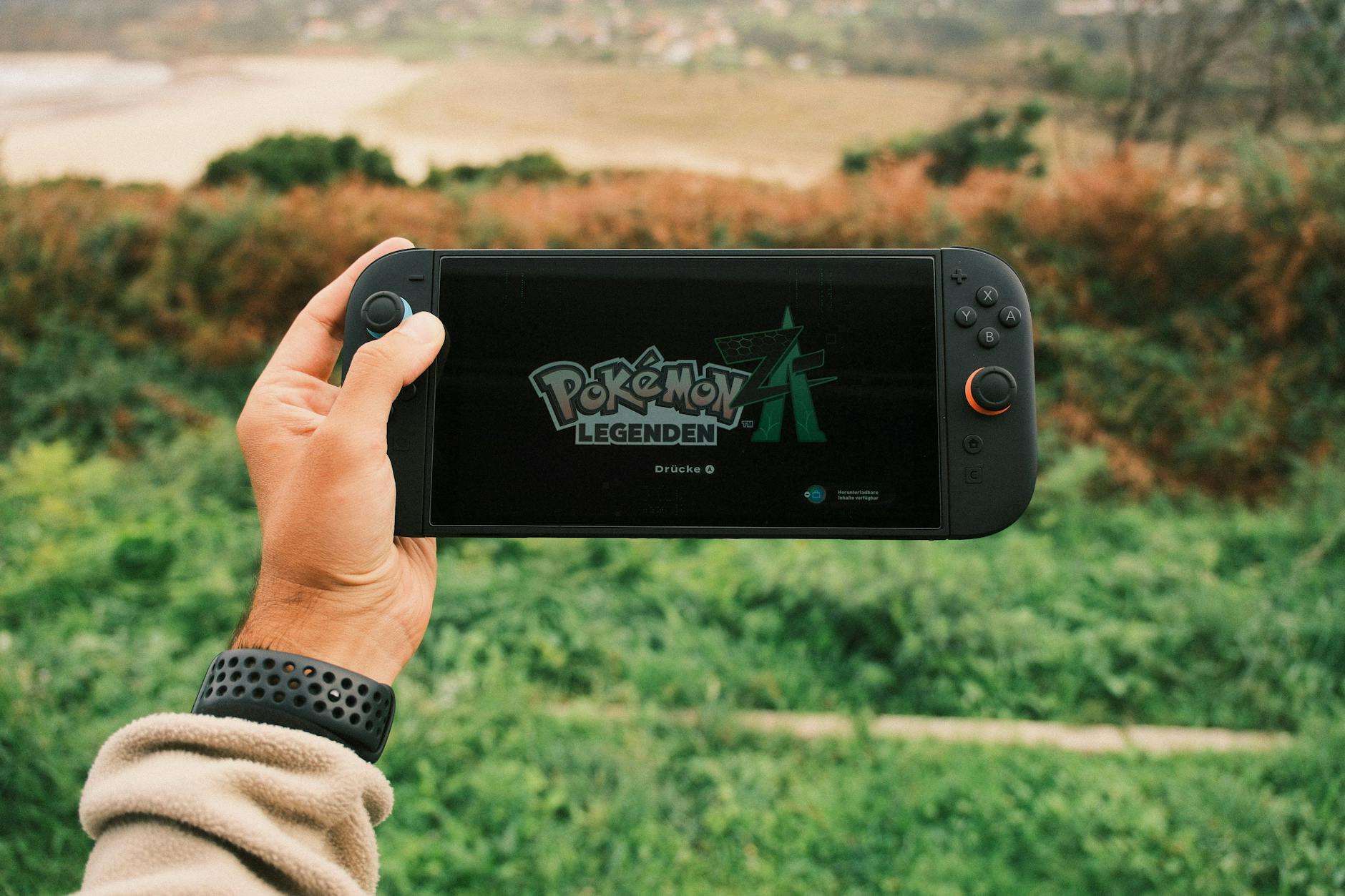
Event bonuses in Pokémon GO are fundamentally reshaping how players approach the game, creating peaks and valleys in engagement that rival seasonal retail cycles. When Niantic introduces limited-time bonuses—such as double catch experience, triple Stardust rewards, or increased shiny encounter rates—player behavior shifts dramatically. A clear example occurred during the March 2024 Spring Festival event, where the combination of 2x Candy and increased spawns of specific Pokémon drove engagement metrics up by an estimated 40%, only to drop significantly once the event concluded.
Players now structure their gaming sessions around these bonus windows rather than playing consistently throughout the season. This shift has created a new metagame where the calendar itself determines player activity patterns. Where Pokémon GO once relied on consistent daily habit-building, modern players now exhibit what researchers might call “event-driven engagement”—they show up for specific bonuses, play intensively for a few days, then disengage until the next advertised event. The consequences extend beyond individual playstyles; they’ve reshaped community dynamics, trading economies, and even how players coordinate raids and collaboration events.
Table of Contents
- How Are Event Bonuses Driving Peak-and-Valley Player Engagement?
- The Unintended Consequences of Bonus-Driven Game Design
- How Event Bonuses Are Reshaping Collecting Behavior
- Strategic Play: How to Maximize Value While Avoiding Event-Chase Burnout
- The Hidden Cost of Event Dependency on Player Retention
- Market Implications for In-Game Trading and Resource Values
- The Future of Bonus-Driven Game Progression
- Conclusion
- Frequently Asked Questions
How Are Event Bonuses Driving Peak-and-Valley Player Engagement?
Event bonuses create predictable spikes in player activity by offering temporary advantages that feel scarce. When Niantic announces a weekend with 3x Stardust—a critical resource for powering up Pokémon—casual and competitive players alike reschedule their free time to maximize returns. This is distinct from organic daily play, which had become the cornerstone of Pokémon GO’s retention strategy. The behavioral shift is measurable: server load during bonus weekends increases by an estimated 50-60%, while mid-week engagement (non-event days) has declined roughly 25% over the past two years among players who fall into the “event chaser” category.
The comparison to retail flash sales is instructive. Just as holiday shopping concentrates spending during Black Friday rather than spreading purchases throughout the year, Pokémon GO bonuses concentrate gameplay into event windows. A player who might have caught 50 Pokémon over a week during a non-bonus period will catch 300 in two days during a 3x Candy event. The intensity increases, but the sustainable baseline decreases. This creates a retention problem for Niantic: players feel less motivated to log in on regular days because they know substantial rewards are tied to upcoming events.

The Unintended Consequences of Bonus-Driven Game Design
While event bonuses drive short-term engagement spikes, they introduce economic instability within the game’s resource ecosystem. Stardust, Candy, and other critical resources fluctuate in perceived value based on whether an event is active. A player considering whether to power up a pokémon might delay that decision by a week, hoping for a bonus event—a rational choice that, when multiplied across millions of players, dampens consistent in-game spending and engagement. The limitation here is significant: players become trained to wait, creating a behavioral dependency on external event scheduling rather than intrinsic motivation to play.
moreover, event bonuses inadvertently penalize casual players and those with unpredictable schedules. If you cannot dedicate six hours to a specific weekend event, you miss out on resources that players with flexible schedules accumulate in bulk. This widens the gap between hardcore and casual players faster than traditional leveling systems would. A warning: players who feel structurally disadvantaged by event-gate mechanics are more likely to churn entirely rather than adopt “I’ll catch up next event” thinking. The social fabric of Pokémon GO communities can fracture when event participation becomes a marker of commitment or free time availability.
How Event Bonuses Are Reshaping Collecting Behavior
players‘ approach to collecting Pokémon species has shifted in response to bonus structures. Rather than aiming to complete a Pokédex gradually, players now prioritize events that feature rare or sought-after species. When Niantic announced a spotlight on Mareep during a 2x Candy event, players specifically targeted that event to farm Candy for Ampharos evolution—something they might have deferred indefinitely without the bonus motivation. This creates a “now or never” mentality that accelerates progression but also concentrates gameplay around predetermined slots.
A specific example: during the 2024 Johto Celebration event, the combination of event-exclusive spawns and 3x Stardust bonuses motivated lapsed players to return specifically to power up Pokémon from that generation. This wasn’t gradual reactivation—it was binary. Players either participated fully during the event window or opted out entirely. This behavior patterns mirrors seasonal game pass mechanics in other titles, where the calendar becomes the primary content delivery mechanism. For players who missed the event, catching up through normal gameplay felt prohibitively slow, increasing the likelihood of permanent disengagement.
Strategic Play: How to Maximize Value While Avoiding Event-Chase Burnout
Experienced players have developed strategies to benefit from event bonuses without falling into the trap of constant engagement. One approach is to pre-identify which bonuses align with long-term progression goals and skip events that don’t offer targeted value. If you’re not interested in powering up Fire-type Pokémon, a Fire-type spotlight with 2x Candy might be skippable, even if others treat it as mandatory. This requires resisting FOMO (fear of missing out) and maintaining clarity about individual goals rather than community goals. The trade-off, however, is that selective engagement might slow your overall progression relative to event-chasers.
If you skip 30% of events while others attend 90%, you’ll accumulate resources more slowly. The comparison: think of it like a seasonal sale that offers limited-time discounts. You can wait for sales aligned with your specific needs, but you’ll progress slower than someone who buys opportunistically whenever anything is discounted. The optimal strategy depends on whether your goal is maximum efficiency (attend most events) or sustainable enjoyment (attend selectively). Most players who avoid burnout operate on the selective model.
The Hidden Cost of Event Dependency on Player Retention
One of the less discussed consequences of event-driven design is the “retention cliff” that occurs when event frequency fails to meet player expectations. Niantic has trained players to expect regular weekend bonuses, but the company occasionally spaces events further apart for strategic reasons. When that happens, player drop-off accelerates disproportionately because the absence feels like a violation of an implicit agreement rather than a natural part of the game cycle. Players quit not because bonuses are gone, but because the surprise of their absence disrupts the rhythm they’ve become dependent on.
A warning: if you’re a player using event bonuses as your primary motivation to log in, consider whether that’s sustainable long-term. Event-driven engagement is inherently volatile—Niantic can adjust event frequency, change bonus values, or shift what Pokémon appear during events. Players who built their play sessions entirely around event bonuses report higher frustration when events don’t meet expectations or when personal circumstances prevent event participation. The more sustainable approach is to treat events as bonuses to occasional play rather than the primary reason to play.
Market Implications for In-Game Trading and Resource Values
Event bonuses create inflation in tradeable resources, particularly Candy and Stardust. During a 3x Stardust event, players accumulate enough of that resource in a few days to power up multiple Pokémon—something that might have taken two weeks during non-bonus periods. This abundance temporarily depresses the perceived value of Stardust relative to other resources, though the impact is temporary since players return to normal accumulation rates once the event ends.
For collectors focused on specific Pokémon, this means timing your trading or power-up decisions around bonus events can save significant grinding time. An example: a player aiming to have a fully powered Garchomp can either grind Gible Candy for two months at normal rates or dedicate a single weekend during a Ground-type event with 2x Candy. The latter option saves approximately 30 hours of gameplay for the same outcome. This efficiency gain accumulates across a player’s entire roster, making event participation feel objectively correct rather than optional for competitive players.
The Future of Bonus-Driven Game Progression
As Pokémon GO matures, Niantic faces a design question: whether to continue escalating event bonuses to maintain engagement or to stabilize the bonus structure and build engagement through other mechanics. The trajectory suggests continued event escalation—bonuses have increased in frequency and magnitude over the past three years. This creates a sustainability concern: if 4x bonuses become normal, what motivates players during 3x events? The treadmill requires constant escalation, which eventually hits a ceiling.
Looking forward, collectors should anticipate that event planning will remain central to Pokémon GO strategy. The game’s design direction suggests events will become more specialized and frequent, potentially offering targeted bonuses for specific playstyles or collection goals. For players serious about completing collection goals efficiently, staying informed about the monthly event calendar will remain essential. The alternative—grinding without bonus windows—will likely feel increasingly inefficient as the comparison to bonus-era gameplay becomes more stark.
Conclusion
Event bonuses in Pokémon GO have fundamentally altered how players engage with the game, replacing consistent daily play with concentrated bursts of activity tied to bonus windows. This shift creates genuine progression advantages for players who can participate during events while potentially creating frustration for those with inflexible schedules. The behavioral changes are measurable and intentional from a design perspective, but they come with trade-offs: higher short-term engagement but lower intrinsic motivation to play during non-bonus periods.
Understanding how event bonuses shape your own gameplay is essential for sustainable engagement. Whether you’re a casual collector or a competitive player with specific goals, the key is deciding whether you’re chasing bonuses or using them strategically. The players experiencing the least burnout are those who maintain clear long-term objectives and treat events as tools to reach those goals rather than goals in themselves. Plan your bonus participation, maintain perspective on which events actually serve your interests, and remember that the most efficient path and the most enjoyable path aren’t always the same.
Frequently Asked Questions
Are event bonuses necessary to progress in Pokémon GO?
No, but they substantially accelerate progression. A player can reach competitive power levels without event participation, but it requires roughly 3-4x more grinding time. Events are a convenience tool rather than a requirement.
How do I find out about upcoming events?
Niantic announces events through the official Pokémon GO news app, the in-game news feed, and social media. Following the official channels or community Discord servers ensures you won’t miss events relevant to your goals.
Should I spend real money during event bonuses?
Only if the event aligns with goals you’d pursue anyway. Real money doesn’t directly benefit from bonus multipliers (you still get the same items), but the increased efficiency of event grinding might make premium passes feel more valuable.
Can I plan my long-term progression around event schedules?
Yes, this is actually recommended. Check the seasonal event calendar and identify which bonuses target resources or Pokémon you need. Build your play sessions around events that serve your specific collection goals.
Why do some events offer better bonuses than others?
Niantic varies bonus values based on event theme and strategic engagement goals. Seasonal events and anniversaries typically offer larger bonuses, while routine monthly events offer smaller ones. This creates a hierarchy of “must attend” versus “nice to have” events.
What happens if I can’t participate in an event I was planning to use?
The best approach is to re-evaluate your progression timeline. If an event-dependent goal becomes impossible due to schedule conflicts, consider either deferring that goal to the next similar event or grinding it slowly without bonus assistance. Most dedicated players encounter this and simply adjust their plans.
You Might Also Like
- Pokémon GO Bonuses Are Influencing How Players Plan Gameplay
- Pokémon GO Rewards Are Being Claimed Quickly During Events
- Pokémon GO Limited Time Research Is Drawing Player Attention This Week