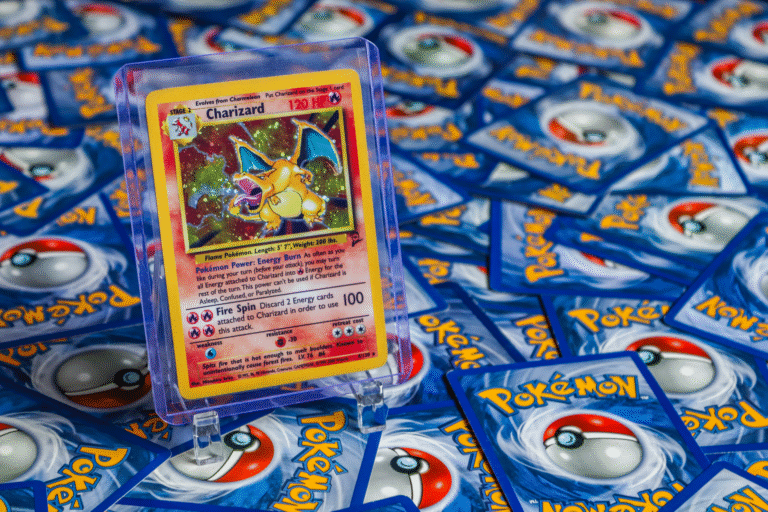
GameStop’s Pokémon card exclusives should generally be skipped in favor of products at MSRP from other retailers. GameStop is consistently marking up Pokémon TCG products above manufacturer suggested retail prices, sometimes by 10 to 15 percent. For example, the Prismatic Evolutions Super-Premium Collection carries an MSRP of $89.99, but GameStop prices it at $99.99—a $10 premium for the same product you can find elsewhere at retail price. The appeal of exclusivity disappears when you factor in cost.
GameStop carries 54 exclusive Pokémon products, but exclusive doesn’t equal better value. Unless you specifically want a GameStop-exclusive promo card and can’t find comparable products elsewhere, paying above MSRP for standard booster boxes, elite trainer boxes, or tins represents poor value for collectors on a budget. In a market where retail availability has been severely limited since November 2024, GameStop’s markup strategy takes advantage of desperation rather than offering genuine advantages. The question isn’t whether GameStop has exclusives worth your attention—it’s whether you want to pay premium prices for them. For most collectors, the answer is no.
Table of Contents
- What Is GameStop Charging for Pokémon Card Products?
- Why Is GameStop Pricing Above MSRP?
- What Exclusive Products Does GameStop Actually Offer?
- Comparing GameStop to Other Retailers
- The Scarcity Problem and Why It Matters for Your Wallet
- Are GameStop’s Exclusive Promo Cards Actually Valuable?
- Will GameStop’s Pricing Strategy Continue?
- Conclusion
What Is GameStop Charging for Pokémon Card Products?
GameStop’s pricing is notably higher than MSRP across multiple product categories. Rival Battle Decks carry a $2.99 markup per unit (MSRP $14.99 at GameStop $17.99). Slashing Legends Tins jump from $26.99 MSRP to $29.99 at GameStop. Elite Trainer Boxes—among the most commonly purchased products—increased from the traditional $60 price point to $70, a ten-dollar markup that adds significant cost to any serious collector’s purchases.
Individual booster packs now sell for $4.49 at MSRP, up from the previous $3.99. At GameStop, this means paying above even the inflated current retail price. When buying a booster box, the markup compounds across 36 packs, making GameStop a costly option for bulk purchases. These aren’t isolated price adjustments. The pattern is consistent across GameStop’s entire pokémon TCG inventory, suggesting a deliberate pricing strategy rather than temporary increases.

Why Is GameStop Pricing Above MSRP?
GameStop’s premium pricing exploits a simple market reality: pokémon cards are difficult to find at retail. Since November 2024, availability at mainstream retailers has been severely constrained due to scalper demand and limited production allocations. When players and collectors can’t easily find products elsewhere, retailers with inventory gain pricing power. GameStop has leveraged this scarcity advantage aggressively.
The company knows that collectors unable to locate products at Target, Walmart, or local card shops will turn to GameStop as a backup option—and will pay above MSRP rather than miss out entirely. This is a classic supply-constrained pricing model: when demand exceeds available supply, sellers increase prices. The risk for collectors is overpaying for cards that may become more abundant as production catches up. Booster boxes and elite trainer boxes are fungible products—they contain the same cards regardless of retailer. You’re not getting superior pulls or better packaging at GameStop; you’re simply paying more for the same product.
What Exclusive Products Does GameStop Actually Offer?
GameStop’s 54 exclusive Pokémon products include upcoming releases like the Ascended Heroes Mega ex Box (releasing April 24, 2026) and the Mega Moonlit Tin (releasing June 5, 2026). These exclusives often feature special packaging, promo cards, or bundle configurations unavailable elsewhere. The Pokémon Day 2026 Collection, for instance, is a 30th-anniversary special that includes a promo card and metallic coin not found in standard retail versions. The exclusive aspect sounds appealing on the surface—who wouldn’t want a special promo card or unique packaging? The problem emerges when you calculate the total cost.
A GameStop exclusive that costs $10 more than a standard version still yields the same booster packs inside. Unless the promo card holds significant collector value (which most GameStop promos do not, trading for a few dollars at best), you’re overpaying for marginal differences. Real collectors distinguish between meaningful exclusives and manufactured scarcity. A promo card that costs $2-3 on the secondary market does not justify a $10 price premium. GameStop’s exclusives tend toward the latter category.

Comparing GameStop to Other Retailers
At major retailers like Target and Walmart, Pokémon products generally sell at or near MSRP when available—though availability itself is the problem. Local card shops often price at MSRP, sometimes offering loyalty programs or bulk discounts that GameStop doesn’t match. Online retailers occasionally discount below MSRP, though this has become rarer as supply tightened. GameStop’s advantage exists only in one scenario: when you cannot find a specific product anywhere else and need it immediately. A collector unable to locate an elite trainer box elsewhere might reasonably buy from GameStop rather than wait weeks for restock.
This is a genuine emergency-only value proposition. For routine purchases or non-urgent needs, paying GameStop’s premium pricing represents money wasted. The tradeoff is convenience versus cost. GameStop’s widespread physical presence might save you shipping time, but their pricing makes this convenience expensive. Online retailers with free shipping and MSRP pricing typically deliver the better financial outcome.
The Scarcity Problem and Why It Matters for Your Wallet
The severe scarcity of Pokémon cards at retail since November 2024 directly enabled GameStop’s pricing strategy. When supply is genuinely constrained, sellers can increase prices without losing customers because alternatives don’t exist. This scarcity is real—production hasn’t kept pace with demand—but it’s temporary. As Pokémon Company International ramps production and supply normalizes, GameStop’s above-MSRP pricing will become increasingly indefensible.
Collectors who overpay today at GameStop today will regret those purchases when the same products sell at MSRP everywhere six months from now. The risk is timing poorly and paying premium prices for products that become abundant. Don’t let scarcity-driven fear of missing out push you into overpaying. Patience typically rewards collectors more than panic buying at GameStop prices.

Are GameStop’s Exclusive Promo Cards Actually Valuable?
GameStop exclusive promo cards rarely command premium prices in the secondary market. Most GameStop promos trade for $2-5 on platforms like TCGPlayer, while some sell for even less. A collector paying $10 extra at GameStop for an exclusive promo is effectively overpaying by 100 to 400 percent relative to the card’s actual resale value. The Pokémon Day 2026 Collection’s metallic coin and promo card sound special until you research their actual value.
Promo coins and standard promos generated minimal trading demand compared to pulled sealed products. Buying GameStop exclusives speculating on promo value is a losing strategy for most collectors. If you’re drawn to GameStop exclusives, ask yourself whether you’d still buy the product at MSRP. If the answer is no, the exclusive isn’t worth the premium price.
Will GameStop’s Pricing Strategy Continue?
As Pokémon card supply normalizes and retail availability improves, GameStop’s above-MSRP pricing becomes unsustainable. Collectors won’t accept premium pricing once alternatives exist.
GameStop will either adjust prices downward or lose market share to competitors offering MSRP pricing. The company’s exclusive products will likely remain—retailers always develop exclusives to differentiate—but the premium pricing component depends entirely on scarcity. When cards become easy to find, GameStop’s pricing advantage evaporates.
Conclusion
GameStop’s Pokémon card exclusives are not worth chasing at current prices. The company’s markup strategy exploits temporary scarcity and collector desperation rather than offering genuine value. Products are consistently priced 10 to 15 percent above MSRP, with exclusive promo cards rarely worth the premium cost.
For the vast majority of collectors, waiting for products to reappear at Target, Walmart, or other retailers at MSRP is the smarter financial decision. GameStop exclusives make sense only if you specifically want an exclusive promo card and absolutely cannot find the product elsewhere. Otherwise, skip the premium pricing and hunt for retail alternatives.