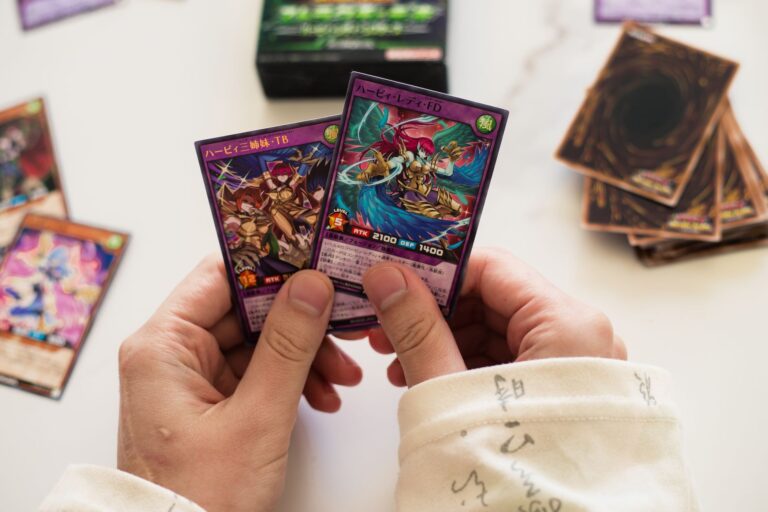
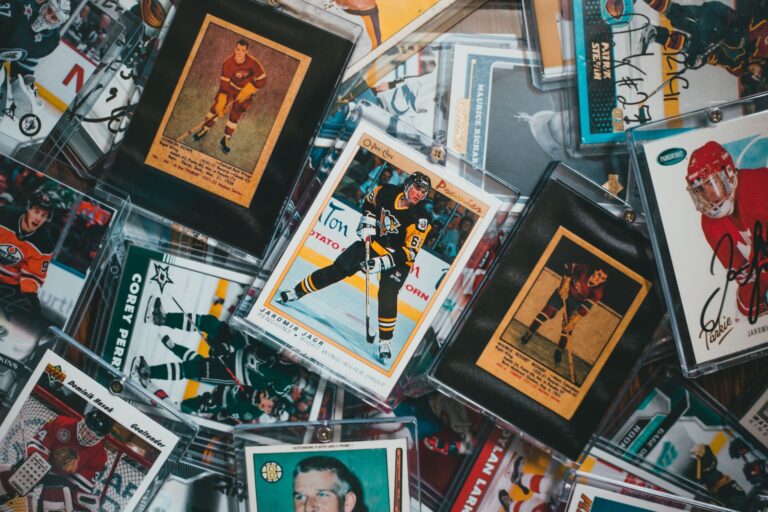
An Art Card in Pokémon is a special trading card that features alternative or full-art illustrations, typically with premium finishes or unique artistic treatments that differ significantly from the standard card designs found in regular booster packs. Yes, Art Cards are highly collectible, commanding premium prices in the secondary market—some sell for hundreds or thousands of dollars depending on rarity, condition, and artist prominence. For example, full-art Pikachu cards from special collection sets or Japanese promotional art cards regularly sell for ten times the price of their standard counterparts.
Art Cards emerged as a category during the modern Pokémon TCG era, gaining particular momentum after the release of special sets and high-end products that featured premium card stock and artistic reimaginings. These cards transcend typical gameplay value and have become sought-after by collectors specifically for their aesthetic and investment potential. The distinction between a standard card and an Art Card lies not just in appearance but in production rarity, chase pull rates, and market demand.
Table of Contents
- How Are Art Cards Different From Regular Pokémon Cards?
- Rarity Tiers and Market Value Factors
- Japanese vs. English Art Card Differences
- Identifying Authentic vs. Counterfeit Art Cards
- Storage and Condition Preservation Challenges
- Investment Potential and Market Trends
- Future of Art Cards in Pokémon TCG
- Conclusion
How Are Art Cards Different From Regular Pokémon Cards?
Art cards differ from regular cards in several fundamental ways. A standard pokémon card features a fixed illustration, typically showing the Pokémon in a centered position with consistent design elements across the entire print run. Art Cards, by contrast, often feature full-bleed artwork that extends to card edges, alternative character expressions, unique backgrounds, or collaborative artist designs that make each variant visually distinct. Some Art Cards also include special finishes like textured surfaces, holographic patterns, or alternative frames that standard cards never receive.
The production rarity creates a significant difference. Regular cards appear in every booster pack at predictable pull rates, meaning millions of identical copies exist. Art Cards, particularly secret rares or special collection exclusives, may only be available in limited quantities, specific product sets, or as occasional pull variants. A Japanese Charizard Art Card from a premium set might have fewer than 50,000 copies in existence worldwide, whereas a standard Charizard card from the same era might have several million.

Rarity Tiers and Market Value Factors
The collectibility of art Cards depends heavily on their rarity classification and the specific factors that drive demand. Secret rare Art Cards typically command the highest premiums, sometimes selling for 5 to 20 times more than non-art versions of the same character. However, not all Art Cards hold value equally—artist recognition, character popularity, card condition, and language variant all influence final market prices. A damaged Art Card worth $500 in near-mint condition might sell for $50 in played condition, making preservation critical for collector value.
A significant limitation exists in the Art Card market: rarity doesn’t guarantee value. Some Art Cards from low-print-run sets fail to sell for expected premiums if the character lacks collector appeal or if the artwork doesn’t resonate with the community. Additionally, market saturation occurs when special sets that promised exclusivity eventually see reprints or later releases with similar art treatments, effectively diminishing the scarcity value of earlier versions. The first full-art Eevee card commanded premium prices until subsequent sets released competing Eevee Art Cards, which gradually compressed prices for all versions.
Japanese vs. English Art Card Differences
Japanese Art Cards typically hold higher values in the collector market, with Japanese secret rares regularly selling for 30 to 50 percent more than their English equivalents. This premium stems from Japanese sets having tighter print runs, lower initial availability outside Japan, and a perception of superior card quality and centering. Japanese special sets like High Class Packs deliberately limit production and distribution, making their Art Cards genuinely rarer in Western markets.
English Art Cards appeal primarily to North American and European collectors but generally offer better value for budget-conscious collectors. English sets receive significantly higher print volumes to meet Western demand, resulting in more available copies and lower secondary market prices. For collectors seeking investment-grade Art Cards, Japanese versions represent a better long-term value proposition, whereas English cards serve collectors focused on set completion or specific character favorites at more accessible price points.
Identifying Authentic vs. Counterfeit Art Cards
The premium prices of authentic Art Cards have created a counterfeiting problem that collectors must navigate carefully. Counterfeit Art Cards often exhibit subtle but detectable flaws: slightly incorrect color saturation, blurry print lines, improper card weight, or holographic patterns that don’t match authentic finishes. High-resolution counterfeits can fool casual observers, but professional graders with light box examination and texture inspection can distinguish fakes from authentic cards consistently.
Authentication services like PSA, BGS, and CGC offer graded slabs that provide third-party verification, eliminating counterfeiting risk for cards certified in official holders. However, this protection comes at a cost—grading fees range from $15 to $100 per card depending on turnaround time, adding 10 to 20 percent to the final value of moderately priced Art Cards. The tradeoff is clear: buying graded Art Cards offers security but reduces profit margins for resellers and increases barriers to entry for collectors on tight budgets.
Storage and Condition Preservation Challenges
Maintaining Art Card condition presents unique challenges compared to regular cards. Art Cards often feature delicate artwork details and alternative finishes that can degrade rapidly from improper storage, humidity fluctuations, or light exposure. Cards stored in standard top loaders without acid-free inserts can develop discoloration after just months, as acidic materials yellow and damage holographic coatings.
A $1,000 Art Card can depreciate to $300 if exposed to humidity or sunlight, making preservation not just aesthetic but financially critical. The specific warning here involves texture-finish Art Cards, which are particularly vulnerable to fingerprint oils, dust accumulation, and surface scratches. Japanese premium Art Cards with raised textures or embossed elements require special sleeves with minimal friction to prevent damage during storage or handling. Many collectors have learned this lesson expensively after finding their carefully preserved Art Cards developed micro-scratches from improper sleeve materials, leading to cascading value loss during grading.

Investment Potential and Market Trends
Art Cards have transitioned from novelty collectibles to legitimate investment vehicles, with some cards appreciating 300 to 500 percent over five-year periods. Early full-art cards from special sets released between 2015 and 2018 have seen particularly strong appreciation as supply remains fixed while demand continues growing. However, investment returns depend entirely on selecting the right cards—artist recognition, character popularity, and production rarity are predictive factors, while release timing relative to player interest and media attention creates volatility.
A concrete example: Japanese Pikachu Art Cards from the Limited Edition Collection released in 2022 sold for $40 retail but now average $180 on the secondary market. However, similar-rarity Pokémon with lower cultural prominence from the same release increased only 20 to 40 percent in value, demonstrating that Art Card investment is highly selective. Collectors seeking investment returns must research artist popularity within the community, monitor comparable sales, and understand that Art Cards require active management and knowledge to outperform passive hold strategies.
Future of Art Cards in Pokémon TCG
The Art Card category will likely expand as Pokémon continues emphasizing premium products and special artist collaborations. Recent Japanese sets have increased the quantity and variety of Art Cards, suggesting a shift toward making premium illustrations less exclusive. This democratization might compress prices for future Art Cards while potentially increasing investment value for early, truly limited variants.
International expansion of premium products like High Class Packs may eventually equalize pricing between Japanese and English Art Cards if production volumes increase. Artist collaborations represent the future growth area for Art Card collectibility, particularly when established illustrators or contemporary artists receive limited Pokémon TCG assignments. These collaborative pieces attract collectors from outside the traditional card game market, potentially expanding the audience and driving demand. However, this expansion also means potential market saturation, where the explosive appreciation seen in early Art Cards may not repeat for new releases unless truly severe production constraints exist.
Conclusion
Art Cards are definitively collectible special cards featuring alternative artwork and premium treatments that command significant premiums in the secondary market. The category offers legitimate value for collectors prioritizing aesthetics, investing for appreciation potential, or seeking specific artistic visions of beloved Pokémon characters. Success in collecting Art Cards requires understanding rarity tiers, authentication methods, condition preservation, and the specific factors driving demand for individual cards.
For collectors entering the Art Card market, starting with character favorites or artist-specific searches provides more sustainable enjoyment than chasing every available variant. Preservation through acid-free storage, grading for valuable cards, and monitoring market comparables for investment tracking form the foundation of successful long-term Art Card collecting. Whether pursuing Art Cards as casual enjoyment or serious investment, the category represents an evolved phase of Pokémon TCG collecting that rewards knowledge and patience.