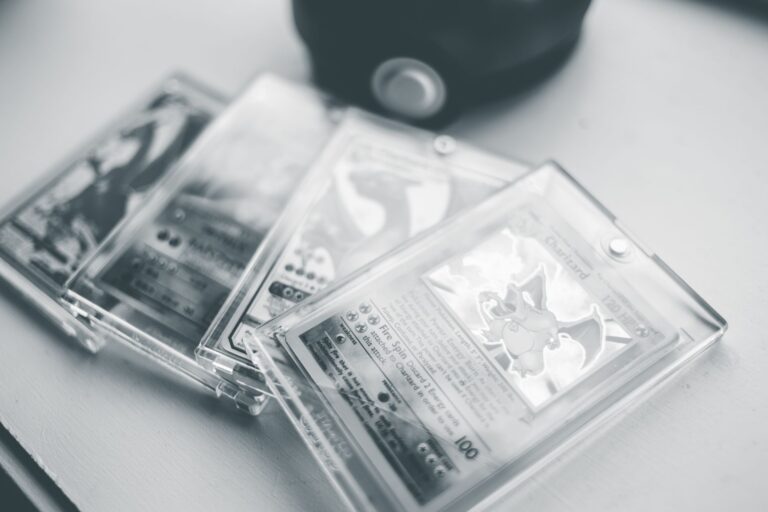
A PSA Authentic grade is a designation given by Professional Sports Authenticator when a Pokemon card is confirmed to be genuine but cannot receive a standard numerical grade due to significant alterations, damage, or manufacturing defects. Rather than assigning a 1-10 score, PSA marks the card as “Authentic” to certify its legitimacy while acknowledging that its condition or history makes traditional grading impossible. For example, a vintage 1999 Charizard that has been heavily played, trimmed at the edges, or professionally restored would receive an Authentic grade instead of a PSA 8 or PSA 9.
The Authentic designation serves an important purpose in the collecting market. It protects buyers by confirming the card is legitimate—a critical concern with high-value Pokemon cards—while being transparent about why the card doesn’t fit into the standard grading scale. This distinction matters because an Authentic-graded card holds significant value as a real card, even if it’s not a pristine collectible.
Table of Contents
- Why Does PSA Issue an Authentic Grade Instead of a Numerical Score?
- Understanding the Scope of Alterations That Result in Authentic Grading
- How Authentic Grade Affects Pokemon Card Value and Collectibility
- Distinguishing Between Authentic Grades and Other PSA Designations
- Common Alterations and Red Flags Associated with Authentic Grading
- The Role of Authenticity Verification in High-Value Cards
- Future Trends and Evolving Standards for PSA Grading
- Conclusion
- Frequently Asked Questions
Why Does PSA Issue an Authentic Grade Instead of a Numerical Score?
PSA uses the Authentic grade when a card’s condition or alteration history prevents fair numerical evaluation under their standard grading criteria. Heavy wear, water damage, professional restoration, trimming, or corner cutting can all result in an Authentic designation rather than a specific grade. The key difference is that a numerical grade like PSA 7 carries specific expectations about the card’s appearance and condition, while Authentic acknowledges that the card is real but exists outside those parameters.
The timing of when a card receives an Authentic grade depends on the grader’s assessment during the evaluation process. When a card arrives at PSA’s facilities and is examined, the grader determines whether it falls within the gradable range. If alterations are detected—such as a card that has been trimmed shorter than standard dimensions, bleached to improve appearance, or repaired with adhesive—it will be assigned Authentic rather than a number. This prevents misleading collectors about a card’s true condition.

Understanding the Scope of Alterations That Result in Authentic Grading
PSA Authentic grading covers a wide range of alteration types, and not all alterations are equally obvious. A card with light wear might still receive a numbered grade, but once alterations cross into modification territory, Authentic becomes the appropriate designation. Common examples include cards that have been professionally cleaned, cards with significant stains that have been treated, or vintage cards that were re-glued or repaired at some point in their history.
One limitation of the Authentic grade is that it doesn’t specify the degree of alteration—only that alteration exists. A card with minor trimming and a card with extensive restoration both receive “Authentic,” even though their actual value and collectibility may differ considerably. This is why serious collectors often request detailed notes on the PSA holder about what alterations were found. Additionally, some types of damage like staining or fading from environmental exposure may prevent standard grading, even without intentional alteration.
How Authentic Grade Affects Pokemon Card Value and Collectibility
The presence of an Authentic grade significantly impacts a card’s market value compared to a numbered grade. A PSA 7 Charizard might command a premium price due to its condition, while an Authentic-graded Charizard of the same vintage and edition could be worth 30 to 60 percent less, depending on the specific alteration and market demand. The difference reflects both the presence of alterations and the uncertainty they introduce about the card’s longevity.
Collectors treat Authentic-graded cards differently based on their collecting goals. A player who wants a playable vintage card might appreciate an Authentic-graded card because it’s confirmed real, visually interesting, and more affordable than a high-grade example. A collector focused on condition and investment value typically avoids Authentic cards because the alterations reduce long-term appreciation potential. Some vintage card enthusiasts specifically seek Authentic-graded cards from the 1999-2000 era because most cards from that period show wear or have been played with, making clean specimens rare.

Distinguishing Between Authentic Grades and Other PSA Designations
PSA offers several ways to grade cards when standard numerical grades don’t apply, and Authentic is just one option. Another designation is “No Grade” (NG), which means PSA cannot authenticate the card or determine authenticity. A third is “Qualifier” status, which adds notes to a standard numerical grade when minor issues exist but don’t prevent grading. Understanding these distinctions helps collectors interpret PSA slabs accurately. The practical difference matters significantly for buying decisions.
An Authentic card is definitively real but altered or damaged beyond standard grading. An NG card’s authenticity is questioned. A PSA 8 with qualifiers is in excellent condition but has minor notation-worthy issues. For someone purchasing a Pokemon card, an Authentic grade offers more confidence than NG but less assurance about preservation than a clean numerical grade. This hierarchy helps collectors assess risk when making purchases.
Common Alterations and Red Flags Associated with Authentic Grading
Certain types of alterations appear frequently among Authentic-graded Pokemon cards. Trimming is one of the most common—cards trimmed at any edge fail to meet standard dimensions and receive Authentic designation. Another frequent alteration is pressure cleaning, where cards are aggressively cleaned to remove stains, which can damage the card stock itself. Regumming is another issue, where old adhesive or tape residue has been cleaned away, affecting the card’s integrity.
A significant warning applies to cards claiming professional restoration. While some restoration is minimal and acknowledged honestly, other alterations are deliberately concealed attempts to improve a card’s apparent condition. PSA’s graders are trained to detect restoration attempts, but once a card is slabbed, the alteration is locked in place. Collectors should be cautious about purchasing Authentic-graded cards from sellers who don’t provide clear explanations of what caused the designation, as this transparency gap suggests potential problems.

The Role of Authenticity Verification in High-Value Cards
For extremely high-value Pokemon cards, the Authentic grade serves a protective function beyond what a numerical grade can provide. A 1998 Shadowless Charizard worth thousands of dollars carries significant counterfeit risk, and confirming authenticity through PSA is nearly as important as assessing condition. Some collectors prefer an Authentic-graded high-value card over purchasing an ungraded card at a discount, accepting the alteration risk to eliminate counterfeit risk.
The cost-benefit analysis shifts with card value. For a card worth $200, alterations that result in Authentic grading might make it less desirable. For a card worth $10,000, confirmation of authenticity through PSA—even with Authentic designation—provides confidence that the card is genuine, which collectors often prioritize over pristine condition.
Future Trends and Evolving Standards for PSA Grading
PSA’s grading standards continue to evolve, and the threshold for Authentic designation may shift as market preferences change. In recent years, PSA has been more transparent about providing detailed notes on slabs, helping collectors understand exactly why a card received Authentic grade. This trend toward greater transparency is likely to continue.
As the Pokemon card market matures and aging vintage cards continue to surface, Authentic-graded examples will remain important. Cards from the 1999-2002 era are increasingly rare in high grades, making Authentic-graded vintage cards valuable to collectors who want examples of classic cards in playable condition. The demand for authenticated vintage cards—regardless of grade—suggests that Authentic designation will remain a meaningful category in the collecting ecosystem.
Conclusion
A PSA Authentic grade confirms that a Pokemon card is genuine while acknowledging that alterations or damage prevent assigning a standard numerical grade. This designation protects collectors by guaranteeing authenticity while being transparent about condition limitations, making it a meaningful middle ground between ungraded cards and high-grade slabs.
Understanding what Authentic means—and how it differs from other PSA designations—is essential for making informed purchasing decisions. For collectors, Authentic-graded cards serve specific purposes: providing authenticated vintage examples, offering affordable access to rare cards, or completing collections with cards that might not exist in higher grades. When evaluating an Authentic-graded card, always seek clear information about the specific alterations from the seller, compare prices to similar graded examples, and determine whether the card matches your collecting goals before purchasing.
Frequently Asked Questions
Is an Authentic-graded card worth buying?
It depends on your collecting goals. If you want authenticity and vintage appearance, Authentic grades can be good buys at discounted prices. If you’re collecting for investment or condition, avoid them in favor of numbered grades.
How much value does an Authentic grade reduce compared to a high numerical grade?
Typically 30 to 60 percent less than comparable numbered grades, though the exact difference varies by card rarity, age, and the specific alterations noted.
Can an Authentic-graded card be re-graded to a numerical grade?
Generally no. Once PSA identifies alterations, those remain part of the card’s history. Re-grading typically results in the same Authentic designation.
Is trimming the most common reason for Authentic grading?
Trimming and professional cleaning are both common causes. Other frequent reasons include restoration attempts, heavy damage, and regumming.
Should I pay less for an Authentic card than an ungraded card?
Not necessarily. An Authentic-graded card’s value depends on its specific alteration and market demand. Some Authentic cards command premium prices because they’re authenticated high-value vintage cards.
How can I tell if an Authentic card is worth my collection?
Review the specific alterations noted on or about the slab, compare its price to similar ungraded and low-grade examples, and consider whether authenticity matters more to you than condition.