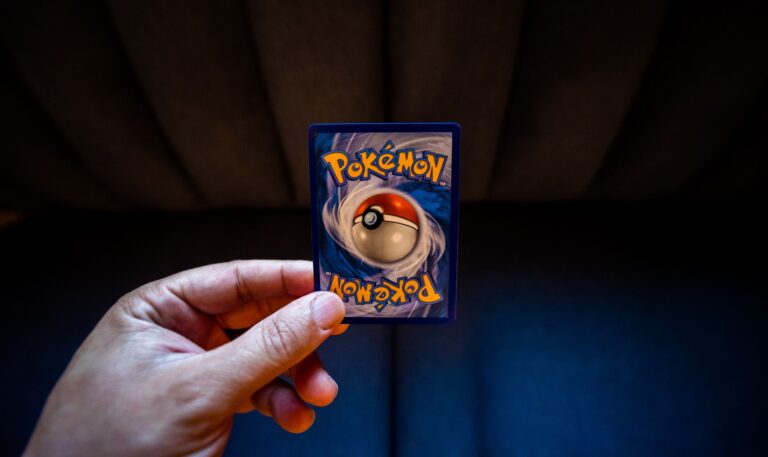
Goldin Auctions is the leading marketplace for trading cards and collectibles, and it’s where the world’s most valuable Pokémon cards go when their owners are ready to sell them for maximum price. Founded in 2012 by Ken Goldin—a veteran in the collectibles business since 1978—Goldin Auctions has become synonymous with record-breaking sales, particularly for premium Pokémon cards. The platform combines professional grading through PSA, secure vaulting, authentication, and access to a global bidding audience that routinely drives prices into the millions.
In February 2026, Goldin Auctions facilitated the sale of Logan Paul’s Pikachu Illustrator card for $16.49 million, setting a Guinness World Record as the most expensive trading card ever sold at auction—a transaction that generated 97 bids and exemplified why serious collectors and investors turn to Goldin when stakes are highest. The reason big Pokémon cards go to Goldin is straightforward: the platform has a proven track record of setting records, attracts serious bidders with deep pockets, and offers a fully integrated ecosystem that handles everything from authentication and grading to marketing and sales. Since May 2024, Goldin Auctions has been owned by eBay, which has amplified its reach without changing its core operation or Ken Goldin’s leadership role as founder and CEO. For collectors with ultra-rare cards in exceptional condition, Goldin represents the best chance of reaching the exact buyer willing to pay top dollar.
Table of Contents
- The History and Evolution of Ken Goldin’s Trading Card Empire
- The Fee Structure That Collectors Need to Understand
- The PSA Partnership and Authentication at Scale
- The Two-Tier Auction Model and Bidder Access
- Why Record-Breaking Sales Create a Snowball Effect
- The Pikachu Illustrator Example and What It Teaches
- Is Goldin the Right Platform for Your Pokémon Cards?
- Conclusion
The History and Evolution of Ken Goldin’s Trading Card Empire
Ken Goldin entered the collectibles business in 1978, decades before pokémon cards even existed, building expertise in sports memorabilia and rare cards long before the modern trading card boom. When he founded Goldin auctions in 2012, he brought that accumulated knowledge directly into the Pokémon market, which was just beginning to see explosive growth in collector interest. Over the course of his career, Goldin has facilitated the sale of over $2 billion in memorabilia, establishing himself as the go-to auctioneer for assets that defy conventional valuation. This track record isn’t just about volume—it’s about consistently achieving record-breaking prices that attract media attention and draw bidders from around the world.
The eBay acquisition in May 2024 represented a significant milestone but not a disruption to Goldin’s operations. Ken Goldin remained as founder and CEO, ensuring continuity in the company’s approach to authentication, marketing, and auction execution. The eBay backing provided additional infrastructure and reach, which has likely contributed to the increasing scale of record-breaking sales. For collectors evaluating where to sell, it’s worth noting that while Goldin is now owned by a major tech company, the auction house has maintained its independent reputation and specialized expertise—a distinction that matters when you’re marketing a $16 million card.

The Fee Structure That Collectors Need to Understand
Goldin Auctions operates on a commission-based model that applies directly to your proceeds: the auction house takes 20% of the hammer price (the final winning bid), plus an additional buyer’s fee of 23% charged to the purchaser if they pay by credit card or don’t pay within 10 days. For sellers, this means a $1 million sale results in a $200,000 commission to Goldin—a significant expense that must be factored into your decision to use the platform. While these fees are industry-standard for high-end auction houses, they represent real money that reduces your take-home amount, and they should influence your choice of where to list. Understanding the full fee structure is essential before consigning a card, particularly if you’re comparing Goldin to direct sales or alternative marketplaces.
A card that hammers at $500,000 nets you $400,000 after Goldin’s 20% commission—before any taxes or additional costs. On the flip side, Goldin’s fees fund the marketing, authentication, and bidder acquisition that drive those hammer prices higher than you might achieve through private sales or smaller platforms. The tradeoff is real: you pay more, but you access a larger, wealthier audience. For cards valued above $100,000, this tradeoff typically favors Goldin, because the incremental bids generated by the expanded audience often exceed the commission paid.
The PSA Partnership and Authentication at Scale
In January 2023, Goldin Auctions launched an integrated partnership with PSA (Professional Sports Authenticator), creating what amounts to a one-stop marketplace for card authentication, grading, vaulting, and sales. This partnership means that when you consign a card to Goldin, it can be authenticated and graded by PSA without leaving Goldin’s ecosystem, then held in secure vaulting until it sells. The buyer receives a card that has been professionally verified and graded—critical for purchases in the millions of dollars where authenticity is everything. The PSA partnership is a key reason high-value Pokémon cards go to Goldin: it eliminates friction in the purchase process.
A buyer bidding $10 million on a rare card needs absolute assurance that the card is authentic and accurately graded. By integrating PSA grading into the auction itself, Goldin removes a major source of doubt and risk for international bidders who cannot inspect the card in person. This integration also speeds up transactions and simplifies the logistics of transferring ownership and custody. If you’re selling a low-grade card worth a few hundred dollars, PSA grading through Goldin might be overkill; but for cards in the upper tier of rarity and condition, the integration is a genuine advantage that justifies the platform choice.

The Two-Tier Auction Model and Bidder Access
Goldin Auctions operates two distinct auction channels: Elite monthly auctions for premium cards and weekly auctions with opening bids as low as $5, creating accessibility across the entire collector spectrum. The Elite auctions are where record-setting sales occur—they’re heavily marketed, attract international bidders, and receive editorial coverage in mainstream media. When Logan Paul’s Pikachu Illustrator card sold for $16.49 million in February 2026, it was the headline event in a Goldin Elite auction, generating widespread publicity that likely attracted additional bidders. The weekly auctions serve a different purpose: they allow collectors and investors with smaller budgets to access Goldin’s platform and build reputation as participants.
A collector might sell a moderately rare card in the weekly auction, then graduate to Elite auctions as their collection grows. This tiered approach means Goldin has liquidity across the entire market, from $5 starting bids to multi-million-dollar record-breakers. For sellers, the implication is that your card’s placement matters: a card worth $50,000 might still belong in an Elite auction if it has notable provenance or appeal, while a $2,000 card would be better suited to weekly channels. Goldin’s staff advises on placement, but understanding this distinction helps you evaluate their recommendation.
Why Record-Breaking Sales Create a Snowball Effect
When Goldin sold Logan Paul’s Pikachu Illustrator card for $16.49 million on February 16, 2026, the sale generated immediate coverage from Japan Today, SI Collectibles, Man of Many, and countless other outlets. The coverage wasn’t incidental—it was a direct result of the record-breaking price, which set a Guinness World Record and attracted media attention that amplified Goldin’s brand. This publicity, in turn, drives future bidder participation, as collectors and investors around the world now associate Goldin with premium outcomes.
However, it’s important to recognize that record-breaking outcomes are rare and typically involve exceptionally scarce cards in near-perfect condition. The Pikachu Illustrator card that sold for $16.49 million is one of only 39 official copies in existence, and the version sold was PSA 10—a virtually perfect grade that only one copy achieved. Not every card consigned to Goldin will generate record headlines; most sales occur at prices that reflect the card’s actual rarity and condition without the amplification of world records. If you’re selling a premium card, expect Goldin to position it aggressively and market it widely, but manage expectations around achieving multimillion-dollar outcomes unless your card has truly exceptional provenance and scarcity.

The Pikachu Illustrator Example and What It Teaches
The Pikachu Illustrator sale is instructive not just for its price, but for its composition. Logan Paul originally purchased the card for $5.275 million in 2021, then held it for five years before consigning it to Goldin in early 2026. The sale price of $16.49 million represented a 213% gain on his investment over five years—a return that far exceeded typical stock market performance and reflected both the scarcity of the card and the general appreciation of high-end Pokémon collectibles. The auction itself generated 97 bids, indicating that the competitive bidding drove the final price well above estimates.
The winning bidder, AJ Scaramucci of Solari Capital, added a diamond-encrusted gold pendant (appraised at $75,000) that Paul had worn at WrestleMania 38, bundling two forms of collectible value into a single transaction. This example demonstrates how Goldin markets premium cards by building narrative value—in this case, celebrity ownership, historical context (the card’s origins in a 1998 Japan contest), and associated memorabilia. For a collector considering selling a valuable card, the Pikachu Illustrator outcome suggests that provenance, condition, and timing can dramatically impact final price. If your card has celebrity ownership or a notable history, mentioning it during the consignment process could affect how Goldin positions the lot. The bundle strategy also suggests that Goldin is open to creative packaging that adds perceived value, though such arrangements are likely only relevant for ultra-premium sales.
Is Goldin the Right Platform for Your Pokémon Cards?
Goldin Auctions is unquestionably the premier platform for Pokémon cards valued above $10,000 and certainly for anything approaching six or seven figures. The combination of PSA authentication, global marketing reach, elite bidder participation, and a 20-year track record in sports memorabilia makes Goldin the logical choice for sellers with genuinely rare cards in excellent condition. If your card has provenance, historical significance, or extreme scarcity, Goldin’s expertise in building narrative value around collectibles is hard to replicate elsewhere.
For cards worth less than $5,000, other platforms—including eBay’s standard auction channels, TCGPlayer, or specialized Pokémon retailers—may be more efficient, because Goldin’s 20% commission represents a larger percentage of the total proceeds, and the marketing infrastructure isn’t necessary to reach qualified buyers. A card worth $3,000 generates a $600 commission at Goldin, which might exceed the incremental bidding advantage on a smaller platform. The decision ultimately depends on how rare your specific card is and whether Goldin’s audience is likely to include the exact buyer willing to pay a premium for it. For cards in the middle tier ($5,000–$50,000), consult with a Goldin representative about placement, because the calculation shifts based on condition, grade, and cultural moment.
Conclusion
Goldin Auctions is the world’s premier marketplace for high-value Pokémon cards because it combines professional authentication through PSA, secure vaulting, marketing reach to international bidders, and a proven track record of setting records. Ken Goldin’s four decades of experience in collectibles, combined with eBay’s backing and infrastructure since May 2024, has positioned the platform to consistently achieve the highest possible prices for cards in exceptional condition. The February 2026 sale of Logan Paul’s Pikachu Illustrator card for $16.49 million—a world record—exemplifies the scale and reach that Goldin brings to the market.
If you’re a serious collector with a genuinely rare or historically significant Pokémon card, consigning to Goldin Auctions is worth exploring, particularly if the card is graded PSA 8 or higher and valued above $10,000. Understand the fee structure upfront, manage expectations around record-breaking outcomes, and recognize that Goldin’s expertise and reach come at a real cost. For cards below $5,000, alternative platforms may be more economical. For cards at or above Goldin’s traditional market focus, there is simply no better platform for achieving maximum price.