For most collectors, the ritual will absolutely matter more than the individual cards when it comes to sustaining long-term demand for Pokémon TCG products. The act of opening packs”the anticipation, the reveal, the shared experience”has become the primary driver of modern collecting culture, often overshadowing the actual cards inside. This shift explains why sealed product commands premium prices years after release, why opening channels dominate Pokémon content online, and why sets with memorable pack art or unique packaging often outperform those with objectively better pull rates.
Consider the 2023 151 set: the cards themselves, while nostalgic, weren’t dramatically different from previous vintage-themed releases. Yet the set became one of the most sought-after modern products because opening it felt special”the artwork, the Kanto connection, the return to original 151 designs created an emotional experience that transcended the cardboard inside. Collectors who pulled nothing of value still described the experience as worthwhile. This article examines why the opening ritual has overtaken card quality as the dominant market force, how this affects pricing and collecting strategies, and what it means for anyone trying to predict which products will hold value over the next decade.
Table of Contents
- Why Does the Pack-Opening Experience Drive Collector Behavior?
- How Pack-Opening Content Shapes Market Demand
- The Sealed Product Premium: When Ritual Potential Becomes the Product
- What Makes Certain Sets “Ritual-Rich” Versus “Ritual-Poor”?
- When Card Quality Still Trumps Experience
- The Investment Trap: Buying Ritual Without Intending to Experience It
- How Nostalgia Cycles Will Shape Future Ritual Demand
- Conclusion
Why Does the Pack-Opening Experience Drive Collector Behavior?
The psychology behind Pokémon collecting has fundamentally shifted since the hobby’s resurgence in 2020. Where earlier generations collected primarily to play the game or complete sets, today’s collectors are often chasing an experience rather than specific cards. This behavioral change mirrors broader trends in consumer culture, where experiences consistently outrank possessions in satisfaction surveys. Pack opening triggers a dopamine response that card ownership simply cannot replicate.
The seconds between tearing foil and seeing what’s inside create genuine neurological excitement”the same mechanism that makes gambling addictive, but socially acceptable and family-friendly. Pokémon has mastered this loop with textured cards, special art treatments, and tiered rarity systems that keep the “maybe this time” hope alive through dozens of disappointing pulls. The evidence appears in secondary market behavior. Sealed booster boxes from sets with mediocre cards but memorable opening experiences”like Evolving Skies with its Eeveelution chase cards”maintain premiums that their singles market doesn’t justify mathematically. Buyers aren’t purchasing expected value; they’re purchasing the right to experience that specific opening ritual.

How Pack-Opening Content Shapes Market Demand
YouTube and TikTok have transformed pack opening from a private hobby into a spectator sport, and this shift has permanently altered what collectors value. When millions of viewers watch someone open a booster box, they’re not learning about card values”they’re experiencing vicarious excitement and developing desire for that same experience. Content creators have discovered that viewer engagement correlates more strongly with dramatic reveals than with valuable pulls. A video showing someone pull a $500 card from their first pack performs worse than a video showing 100 packs of building tension followed by a $50 hit.
The journey matters more than the destination, and this preference shapes what products creators buy, which in turn shapes what their audiences want. However, this dynamic cuts both ways. Sets that film poorly”those with underwhelming pack art, confusing rarity systems, or pulls that don’t photograph well”can underperform regardless of actual card quality. Sword & Shield base set contained playable, valuable cards but generated less content excitement than flashier sets with worse competitive relevance. Collectors planning long-term holds should consider not just what’s in a set, but how satisfying it is to open on camera.
The Sealed Product Premium: When Ritual Potential Becomes the Product
Sealed Pokémon product has always commanded premiums over the sum of its expected singles value, but the gap has widened dramatically as ritual culture has taken hold. A sealed booster box isn’t just cardboard and plastic anymore“it’s stored potential energy, a ritual waiting to happen, an experience that can only be had once. This explains the seemingly irrational pricing of certain sealed products.
A Neo Genesis booster box sells for far more than 36 times the average pack’s expected value because the experience of opening vintage packs has become genuinely scarce. Each pack opened is one fewer that can ever be opened again, creating deflationary pressure on available rituals while demand grows. The practical implication for collectors is counterintuitive: products designed primarily around the opening experience may appreciate faster than products designed around card quality. Special sets with unique packaging, collaboration products with distinctive presentation, and limited releases with ceremony built into their design carry premiums that compound over time as unopened examples become rarer.
What Makes Certain Sets “Ritual-Rich” Versus “Ritual-Poor”?
Not all Pokémon products offer equivalent ritual value, and understanding this distinction helps predict long-term demand. Ritual-rich products share several characteristics: distinctive packaging that feels special to handle, a chase card structure that maintains hope throughout opening, and some connection to nostalgia or cultural moment that gives the experience meaning beyond the cards. The 25th Anniversary products exemplified ritual richness. The UPC (Ultra Premium Collection) wasn’t just a box of cards”it was an event.
The packaging, the gold card, the specific curation of included items created a ceremony around opening. Prices reflected this immediately and have only climbed since, despite the cards inside being readily available as singles for a fraction of the sealed price. Compare this to standard set releases that blur together in collectors’ memories. Products that feel interchangeable”another booster box, another ETB, another wave of the same packaging template”struggle to command ritual premiums because the experience isn’t differentiated. A collector who has opened fifty ETBs doesn’t feel the same anticipation opening the fifty-first, regardless of what cards might be inside.
When Card Quality Still Trumps Experience
The ritual-over-cards thesis has important exceptions that collectors should understand. Certain market segments still prioritize the cards themselves, and ignoring these segments means missing significant value drivers. Competitive players care almost exclusively about card functionality. They’ll buy singles of playable cards regardless of which set they came from or how exciting that set was to open. This creates baseline demand for certain cards that exists independent of collector sentiment.
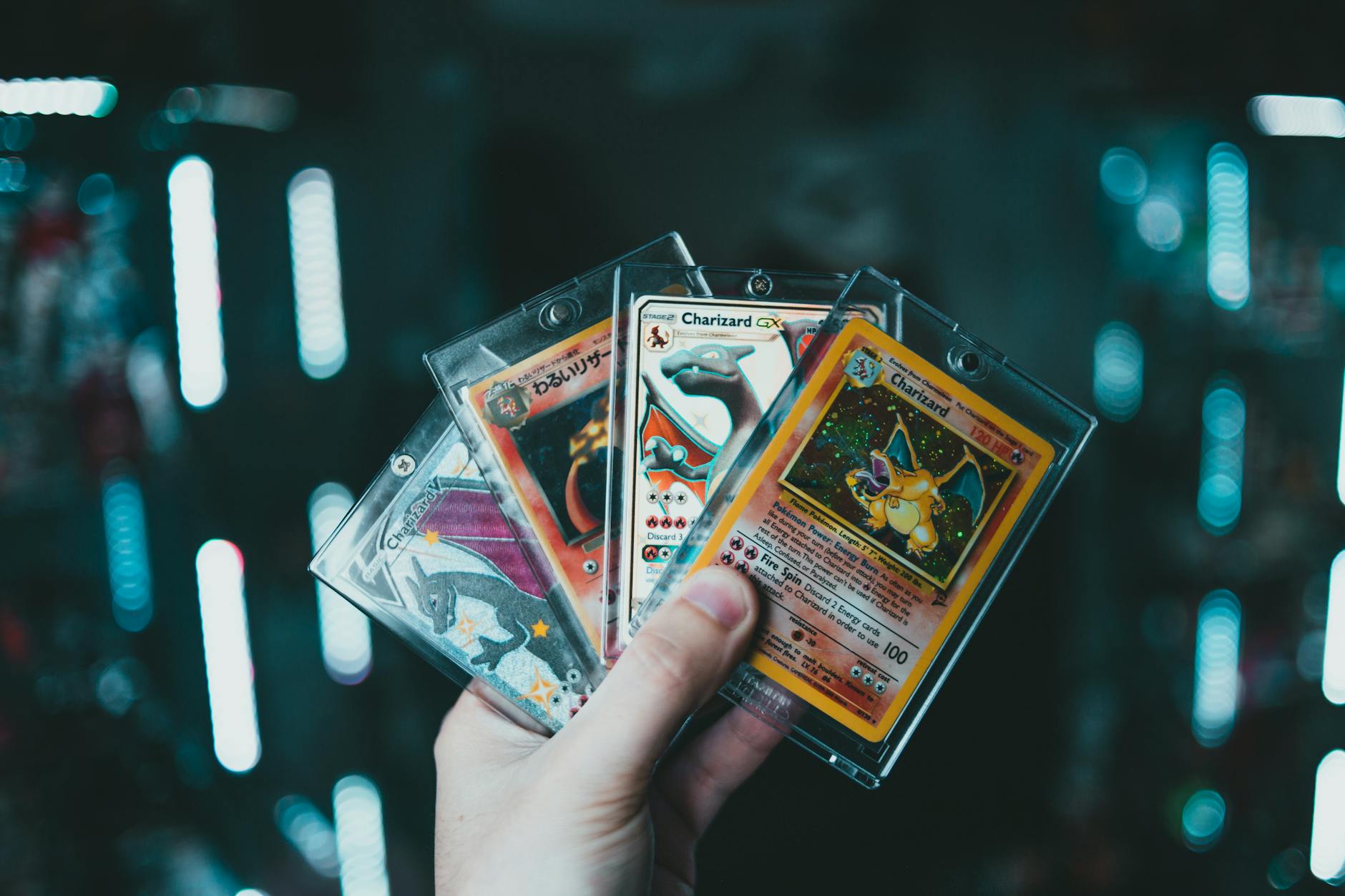
However, competitive demand rarely drives long-term appreciation because rotations and power creep constantly shift what’s playable. Graded card collectors represent another exception. When a card enters a PSA or CGC slab, the ritual is over”what remains is the object itself. Here, card design, artwork quality, and print quality matter enormously. The most valuable graded cards combine ritual appeal (people wanted to chase them in packs) with standalone artistic merit (they’re worth displaying once captured). Sets that nail both dimensions”like the Moonbreon from Evolving Skies”produce individual cards that transcend their sets.
The Investment Trap: Buying Ritual Without Intending to Experience It
A growing number of market participants buy sealed Pokémon product purely as investment vehicles, with no intention of ever opening. This approach works until it doesn’t, and understanding its limitations matters for anyone in the market. Sealed product only holds ritual value while rituals remain possible. If enough investors lock away sealed product indefinitely, the experience becomes theoretical rather than practical, and cultural relevance fades. A sealed Base Set booster box maintains value partly because people occasionally still open them, keeping the experience alive in collective memory.
Product that disappears entirely into investor vaults loses this reinforcement. The comparison to wine is instructive. Certain bottles appreciate for decades while remaining drinkable, but eventually the wine goes bad, and what remains is only the bottle. Pokémon cards don’t spoil, but cultural relevance does. Product from sets nobody remembers or cares about won’t appreciate regardless of how long it stays sealed. The ritual has to remain desirable, which requires ongoing cultural engagement with the product.
How Nostalgia Cycles Will Shape Future Ritual Demand
Pokémon’s multi-generational appeal means different products will enter peak nostalgia windows at different times, and these windows dramatically amplify ritual demand. The current premium on vintage WOTC-era product reflects millennials reaching peak earning years and peak nostalgia simultaneously. This pattern will repeat with later generations. Diamond & Pearl era product is already climbing as collectors who started with those sets reach their late twenties and thirties.
Black & White will follow, then X&Y, each generation’s sealed product becoming the artifact of choice for ritual-seeking adults reconnecting with childhood. The cards inside matter less than the emotional resonance of that specific era’s packaging, art style, and cultural memory. Smart collectors can position ahead of these cycles, but timing matters. Product from future nostalgia windows currently trades at relative discounts because the primary audience hasn’t yet reached ritual-seeking age. This represents opportunity, but also requires patience and confidence in demographic predictions that may not pay off for a decade.
Conclusion
The Pokémon collecting market has evolved to value experience over objects, making the ritual of opening more important than the cards inside for most collectors and most products. This shift is structural, driven by content culture, psychological research on happiness, and the fundamental scarcity of authentic experiences in an age of digital abundance.
Products designed with ritual in mind”distinctive packaging, meaningful theming, satisfying chase structures”will likely outperform products optimized purely for card quality. Collectors and investors should evaluate products not just by their contents but by their experiential potential. Ask not only “what cards are in this set?” but “how will it feel to open this in five years, and will anyone still care?” The answers to those questions increasingly determine long-term value more than any pull rate or card list ever could.