Yes, modern card art is positioned to age significantly better than modern game mechanics, and the evidence from decades of trading card game history makes this conclusion fairly straightforward. Game mechanics face systematic depreciation through power creep””Magic: The Gathering releases an average of 1.56 strictly better card faces per year, gradually making older cards obsolete for competitive play. Meanwhile, artwork retains collectible and nostalgic value entirely independent of whether a card can still win tournaments. The classic example is Savannah Lions, once a five-dollar staple in MTG for roughly a decade, now worth only a dollar because power creep rendered it mechanically irrelevant. Yet cards from the same era with striking original artwork continue to command premiums based on aesthetics and historical significance rather than playability.
This disparity between art and mechanics creates a fundamental truth for collectors: the visual appeal of a card exists outside the game’s competitive ecosystem, while mechanical strength is constantly being undermined by newer, more powerful releases. Yu-Gi-Oh demonstrates this particularly starkly, as its lack of set rotation causes cards to lose competitive viability even faster than in games with rotating formats. The collectible card market, estimated at USD 14.70 billion in 2025 and projected to reach USD 37.42 billion by 2034, increasingly recognizes this distinction. This article examines why artwork maintains value while mechanics depreciate, how collector motivations shape the market, what role nostalgia plays in card valuation, and how to approach collecting with these realities in mind. Understanding the art-versus-mechanics divide can fundamentally change how you build a collection meant to hold value over time.
Table of Contents
- Why Do Game Mechanics Depreciate While Card Art Holds Value?
- How Does Power Creep Systematically Devalue Older Cards?
- What Role Does Nostalgia Play in Card Art Valuation?
- Should Collectors Prioritize Art or Playability When Building Collections?
- What Are the Risks of Assuming Art Always Maintains Value?
- How Is the Market Evolving Toward Art-as-Collectible?
- What Should Collectors Expect From Modern Art in Twenty Years?
- Conclusion
Why Do Game Mechanics Depreciate While Card Art Holds Value?
The structural reason mechanics lose value is power creep””the deliberate or gradual increase in card strength over time to keep new releases compelling. Every trading card game faces this pressure. Designers must give players reasons to buy new sets, which typically means printing cards that outperform older ones in at least some contexts. Magic: The Gathering’s documented rate of 1.56 strictly better cards annually might sound modest, but compounded over decades, it renders entire generations of once-competitive cards unplayable in serious competition. Yu-Gi-Oh suffers even more severely because it lacks set rotation entirely. Without a mechanism to cycle older cards out of the competitive environment, each new release must compete directly with every card ever printed, creating immense pressure to print increasingly powerful effects.
Industry analyst Oliver Weaver has documented this steeper power creep as having a measurably negative impact on the game’s long-term card values from a play perspective. Cards that dominated tournaments five years ago often cannot compete at local game store events today. Artwork operates on completely different dynamics. A card’s illustration does not become worse when a newer card features different art. The aesthetic and nostalgic qualities are independent of the game’s mechanical evolution. This is why character cards account for 44.60 percent of trading card game market share””collectors are drawn to narrative-driven artwork and premium finishes regardless of whether those cards see play. The card as visual object exists separately from the card as game piece.

How Does Power Creep Systematically Devalue Older Cards?
Power creep functions as a kind of planned obsolescence built into trading card game economics. Game publishers need ongoing revenue, which requires making new products desirable. The easiest path is making new cards more powerful than old ones. This creates a treadmill where competitive players must continuously purchase new releases to remain viable, while their older collections steadily lose utility. For collectors focused on playability, this means their investment faces continuous pressure.
However, if your collection focus is primarily aesthetic or historical, power creep becomes largely irrelevant to your holdings’ value. Original printings of cards still command premiums similar to rookie cards in sports collecting, not because those cards are mechanically superior to modern reprints, but because they represent first editions and historical artifacts. The MTG community consistently observes that most price differences between printings come from scarcity rather than gameplay, but collectors reliably prefer original versions regardless of whether strictly better cards now exist. The warning here is that cards valued primarily for competitive strength face the steepest depreciation risk. A card currently commanding tournament-driven prices will likely lose substantial value as power creep makes it obsolete, unless it also possesses strong aesthetic or historical appeal. The worst position is holding mechanically mediocre cards from recent sets that feature unremarkable art””these lack both competitive relevance and collectible staying power.
What Role Does Nostalgia Play in Card Art Valuation?
Nostalgia creates durable demand for older artwork that cannot be replicated by new releases. Some collectors specifically appreciate the older painted style over fully digital art, expressing particular attachment to artists like Melissa Benson or Quinton Hoover whose work defined early Magic’s visual identity. This nostalgic pull exists outside market fundamentals””it represents emotional connection to formative experiences with these games, something new releases cannot easily capture regardless of their objective artistic quality. The phenomenon parallels other collectibles markets. First-edition books command premiums over later printings even when the text is identical.
Original theatrical posters are valued over reprints. The artifact’s position in history matters to collectors, and for trading cards, artwork serves as the primary aesthetic marker of that historical moment. The original Charizard illustration evokes a specific era for Pokemon collectors in ways that modern alternate art versions, however technically accomplished, cannot replicate. This nostalgia factor suggests that modern card art will similarly develop nostalgic value over time, but only for collectors who formed attachments to these cards during their release windows. The current era’s most distinctive artwork may command premiums in twenty years from collectors who discovered the hobby now. The pattern seems reliable across collecting categories: aesthetic objects tied to formative experiences retain emotional value that translates to market value.

Should Collectors Prioritize Art or Playability When Building Collections?
The fundamental question collectors must answer, according to industry analysis from CardsRealm, is whether they are collecting to play, to invest, or for the love of artwork. Motivation determines strategy. Play-focused collectors should accept that their holdings face systematic depreciation and plan accordingly””perhaps focusing on rental economics for competitive cards rather than long-term ownership. Art-focused collectors can largely ignore competitive metagame shifts and concentrate on aesthetic qualities and print runs. Investment-focused collectors face the most complex calculus.
Cards serving dual purposes as both playable assets and valuable collectibles represent the market’s current direction, with design philosophy increasingly appealing to players and investors simultaneously. This means seeking cards that combine competitive relevance with distinctive artwork and limited availability””the intersection of play value and collectible value provides some hedge against pure power creep depreciation. The tradeoff is clear: maximizing play value means accepting depreciation risk, while maximizing collectible value means potentially holding cards that never see competitive use. Autograph cards, projected to expand at 9.10 percent annually through 2031, represent one attempt to capture collectible value independent of gameplay, but they sacrifice the dual-use appeal that some collectors prioritize. There is no single correct approach, only clarity about which values you are optimizing for.
What Are the Risks of Assuming Art Always Maintains Value?
Not all artwork ages equally well, and assuming any card with decent art will hold value oversimplifies the market. Scarcity matters enormously””mass-printed cards with attractive art still face supply-driven price ceilings. Print runs, special editions, and promotional exclusives create the rarity that supports premium prices. A beautiful illustration on a card printed in quantities of millions will not command the same prices as mediocre art on a genuinely scarce promotional release. Additionally, artistic taste changes over time. The hand-painted aesthetic that defined early trading card art has given way to digital techniques, and while some collectors now prize that older style for its distinctiveness, future generations may develop entirely different preferences.
The current trend toward premium finishes and alternate art treatments could itself become dated as new production techniques emerge. Sorcery: Contested Realm, described as a playable art gallery with hand-painted art on every card and no templates, demonstrates current demand for art-focused products, but that specific aesthetic may not dominate collector preferences indefinitely. The safest position combines genuinely limited supply with artwork that defined its era. First printings and special editions of cards featuring recognizable, historically significant art have the most durable appeal. Cards that are merely attractive but abundantly available lack the scarcity premium, while scarce cards with forgettable art lack the aesthetic appeal. The intersection of both qualities provides the strongest foundation for long-term value.
How Is the Market Evolving Toward Art-as-Collectible?
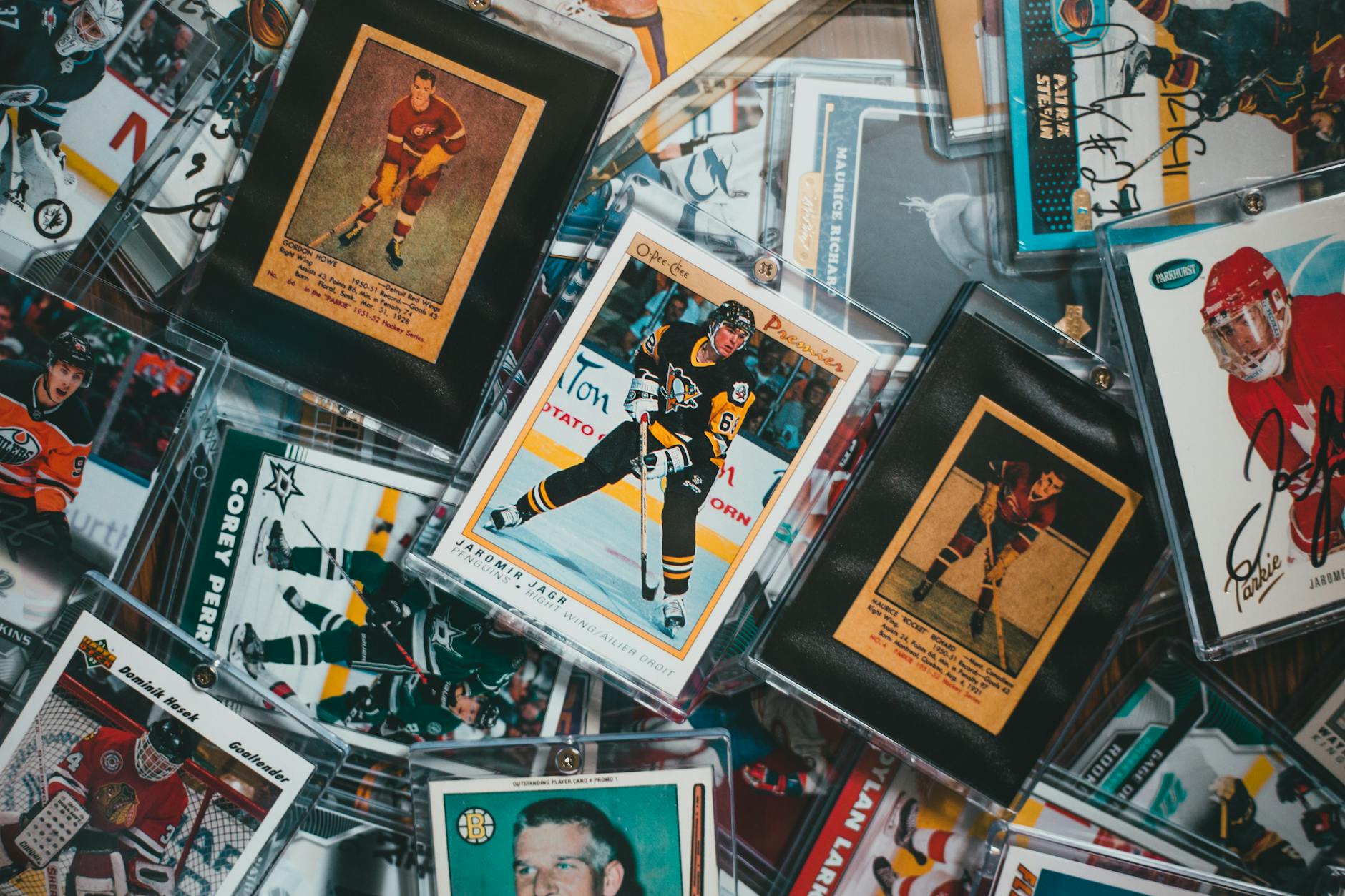
The industry appears to be moving toward blurring the line between card and collectible art, with limited prints, autographed editions, and one-of-a-kind designs carrying cultural cachet beyond traditional fandom. This trend suggests recognition that cards’ collectible futures depend less on gameplay relevance than on their status as aesthetic objects. The USD 2.2 billion U.S. market and 10.98 percent projected global growth rate reflect expanding collector bases that include people with no intention of playing the games.
Pokemon exemplifies this evolution. Many collectors purchasing high-end Pokemon cards have no familiarity with the trading card game’s mechanics and no interest in learning. They collect the cards as art objects and nostalgia pieces. This collector segment is entirely insulated from power creep concerns because they never valued mechanical relevance in the first place. As this demographic grows, art-focused cards command increasing premiums independent of competitive viability.
What Should Collectors Expect From Modern Art in Twenty Years?
The historical pattern suggests that today’s most distinctive modern artwork will develop nostalgic value for collectors who discovered these games during the current era. Cards featuring memorable illustrations from this period will likely command premiums two decades from now, just as original Wizards-era Pokemon and early Magic art commands premiums today. The specific artists and styles that define this moment will become historical markers.
Meanwhile, the mechanical power of current cards will almost certainly be eclipsed. Whatever tournament staples dominate today will face the same obsolescence that Savannah Lions experienced. The dual-value cards that combine competitive relevance with exceptional artwork provide some hedge, but even their play value will eventually depreciate. The next phase of the market may well treat cards primarily as collectible art, with gameplay becoming secondary to aesthetic and historical significance for valuation purposes.
Conclusion
Modern card art is structurally positioned to age better than modern game mechanics because artwork exists outside the competitive ecosystem that systematically deprecates mechanical strength. Power creep ensures that today’s tournament staples will eventually become yesterday’s bulk, while distinctive illustrations retain nostalgic and aesthetic value regardless of whether their cards can still win games. The market increasingly recognizes this distinction, with character cards dominating market share and the industry trending toward treating cards as collectible art objects.
Collectors should approach their holdings with clear understanding of what creates durable value. Play-focused collections face continuous depreciation pressure and should be managed accordingly. Art-focused collections, particularly those emphasizing limited printings and historically significant artwork, stand the best chance of maintaining or appreciating in value over time. The fundamental question remains personal: what motivates your collecting, and does your strategy align with those motivations? Answering honestly will shape a collection that meets your actual goals rather than chasing value that may not materialize.