The evidence strongly suggests yes””children who share the pack-opening experience with parents are significantly more likely to continue collecting into adulthood. This pattern holds across multiple collecting hobbies, from baseball cards to coins, but appears particularly pronounced in the Pokemon TCG community where the ritual of opening packs has become a multigenerational bonding activity. The combination of emotional memory formation, learned collecting behaviors, and positive associations with the hobby creates a foundation that often endures well beyond childhood.
Consider the wave of adult collectors who returned to Pokemon cards during the 2020-2021 market surge. Anecdotal reports from dealers and online communities consistently noted that many of these returning collectors cited childhood memories of opening packs with family members as a primary driver of their renewed interest. These weren’t just people who collected as kids””they were specifically people who associated the hobby with family connection. The article ahead examines why this parent-child dynamic proves so influential, what research tells us about hobby formation, the limitations of this pattern, and practical considerations for families currently collecting together.
Table of Contents
- Does Opening Pokemon Packs Together Create Lasting Collecting Habits?
- How Childhood Collecting Experiences Shape Adult Hobby Choices
- The Role of Nostalgia in Sustaining Pokemon Card Interest
- What Parents Should Know About Collecting with Children
- When the Parent-Child Collecting Pattern Breaks Down
- The Secondary Market Reflects Generational Collecting Patterns
- Looking Ahead: How Digital and Hybrid Collecting May Change the Pattern
- Conclusion
Does Opening Pokemon Packs Together Create Lasting Collecting Habits?
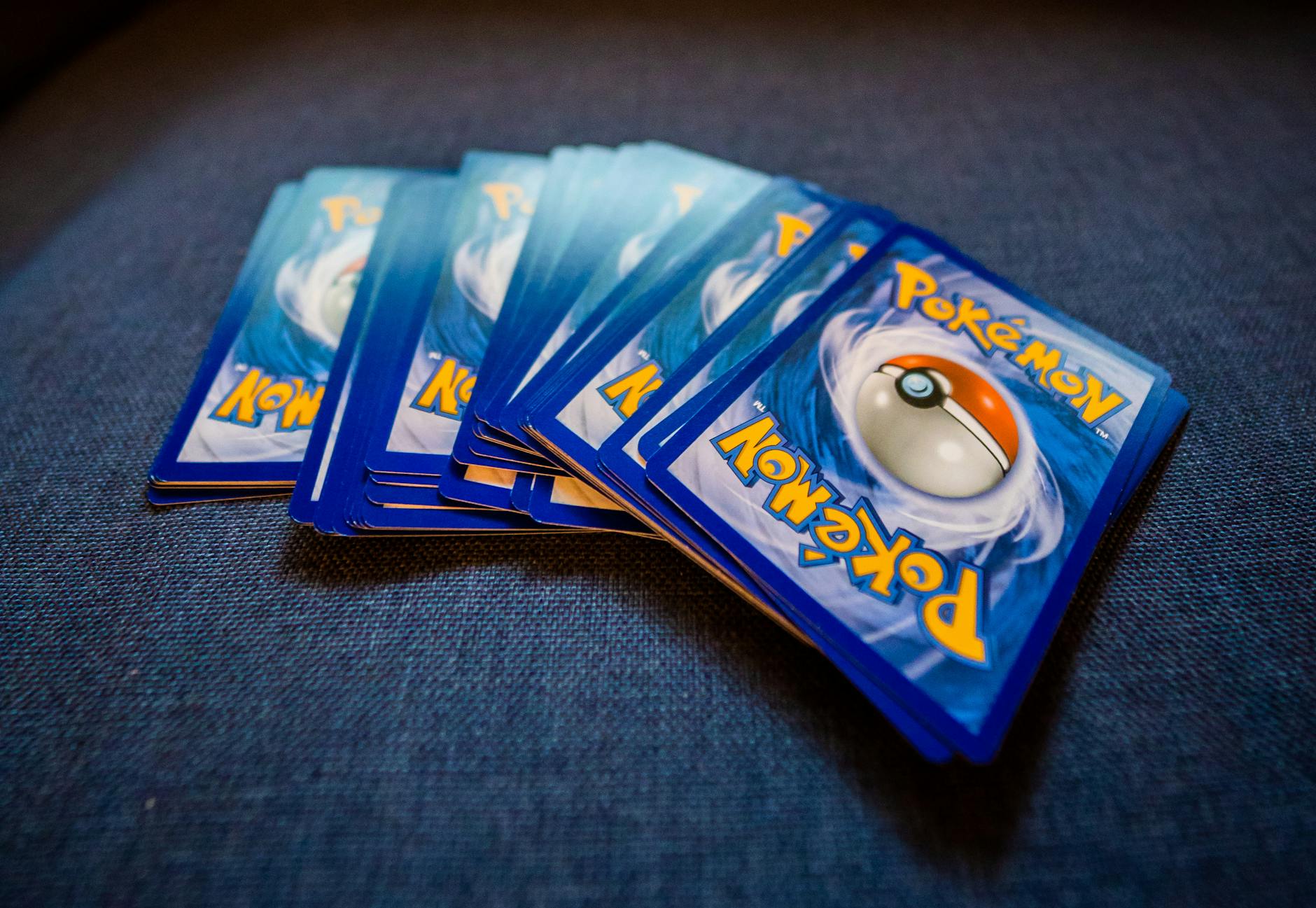
The psychological mechanism at work here involves what researchers call “emotional encoding”””memories formed during emotionally significant moments tend to be stronger and more accessible than neutral memories. When a child opens a pack and pulls a chase card while a parent shares in that excitement, the brain encodes not just the event but the emotional context. Years later, encountering Pokemon cards can trigger those positive associations, making the hobby feel like a return to something meaningful rather than a new purchase decision. This differs meaningfully from children who collected alone or whose parents were indifferent to the hobby.
A child whose parent actively dismissed card collecting as a waste of money often carries that association forward as well, sometimes creating lasting ambivalence about the hobby even if they’re drawn to it. The parent’s emotional framing of the activity appears to matter as much as the activity itself. Historically, hobby retailers and show dealers have observed that adult collectors often mention specific pack-opening memories with parents when discussing how they got into collecting. While hard data on this phenomenon remains limited, the pattern appears consistent enough that some card shops have specifically marketed family pack-opening events, recognizing the long-term customer development potential.
How Childhood Collecting Experiences Shape Adult Hobby Choices
Research on hobby persistence across the lifespan, while not pokemon-specific, offers relevant insights. Studies on collectors of stamps, coins, and sports memorabilia have found that hobbies begun before age twelve and supported by family members show the highest rates of adult continuation or return. The key variable isn’t just early exposure but family endorsement of the activity as worthwhile. However, this pattern has important limitations. Children who experienced the hobby primarily as a financial transaction””parents buying packs as rewards or pacifiers without engaging in the collecting aspect””show lower rates of adult continuation.
The difference appears to be whether the child learned to value the collecting process itself or merely associated cards with receiving a purchase. Kids who watched parents organize collections, discuss card values, or express genuine interest in the artwork and game mechanics absorbed a more complete relationship with the hobby. There’s also a generational timing factor worth noting. Adults who collected Pokemon cards as children in the late 1990s and early 2000s are now in their late twenties to early forties””prime earning years that allow for discretionary hobby spending. This demographic reality amplifies the parent-child effect, as these collectors have both the emotional motivation and financial means to return to the hobby, often with their own children.
The Role of Nostalgia in Sustaining Pokemon Card Interest
Nostalgia operates as a distinct psychological force from simple positive memory. Research suggests nostalgia specifically involves a bittersweet longing that combines positive past associations with a sense of loss or distance from that time. For adult Pokemon collectors, this often manifests as a desire to recapture not just the cards themselves but the feelings associated with the original collecting experience””including the family context. This explains why vintage sealed product and cards from original sets command such premiums. Collectors aren’t just buying cardboard; they’re attempting to access an emotional state.
When that original emotional state included parent-child bonding, the pull becomes stronger. Opening a pack of the same set you opened with your dad in 1999 offers something that a current set simply cannot replicate, regardless of its objective quality or value. The phenomenon also explains why many adult collectors eventually bring their own children into the hobby. They’re attempting to recreate and extend the positive experience they had, creating a three-generation collecting tradition in some families. Card shops report seeing grandparents, parents, and children attending product releases together””a pattern that would have seemed unusual for a children’s card game twenty years ago.
What Parents Should Know About Collecting with Children
For parents currently opening packs with their kids, understanding the long-term implications might influence how you approach the hobby. The evidence suggests that your engagement matters more than the amount spent. A parent who opens one pack per month with genuine enthusiasm likely creates stronger positive associations than one who buys a booster box but treats it as just another toy purchase. There’s a meaningful tradeoff between treating the hobby as pure entertainment versus introducing collecting concepts like condition preservation, set completion, and value awareness.
Children who learn to sleeve cards, maintain organized binders, and understand why some cards matter more than others develop skills that transfer to adult collecting. However, overemphasizing value and investment can strip the fun from the experience, potentially creating negative associations that work against long-term hobby engagement. The balance that seems to produce the most enduring collectors involves treating pack opening as an event worth paying attention to, teaching basic care and organization, but keeping financial discussions age-appropriate and secondary to enjoyment. Kids who grow up thinking of Pokemon cards primarily as investments rather than a fun hobby with potential value tend to have a more complicated relationship with collecting as adults.
When the Parent-Child Collecting Pattern Breaks Down
Not every child who opens packs with parents becomes an adult collector, and understanding the exceptions clarifies the rule. The most common pattern that breaks the connection involves forced participation””children required to collect because a parent wants them to, rather than genuine shared interest. This can create resentment that poisons the hobby association entirely. Similarly, children who experienced significant negative events connected to their collection””a sibling destroying cards, a parent selling the collection during financial hardship, or bullying related to the hobby””often have complicated adult relationships with collecting.
The emotional encoding works both ways; if the strongest memories connected to the hobby are painful, the drive to return diminishes or becomes conflicted. There’s also simple individual variation to consider. Some children who had wonderful pack-opening experiences with parents simply develop other interests and never return to collecting. The parent-child experience increases the probability of adult collecting but doesn’t guarantee it. Families shouldn’t approach the hobby with the expectation of creating a lifelong collector, as that pressure itself can undermine the organic enjoyment that makes the pattern work.
The Secondary Market Reflects Generational Collecting Patterns
Price trends in vintage Pokemon cards partially reflect these generational collecting dynamics. Cards from the original Base Set through the Neo era command premiums not solely based on playability or rarity but because they represent the childhood of the current adult collecting demographic. As that demographic ages and gains purchasing power, demand for their nostalgic sets increases.
This has practical implications for current collecting. The sets being opened today with children will likely see renewed interest in twenty to thirty years when those children become adults with disposable income. Families currently building collections together might consider that some of today’s cards could become tomorrow’s nostalgia-driven chase items””though predicting which specific sets or cards will resonate remains essentially impossible.
Looking Ahead: How Digital and Hybrid Collecting May Change the Pattern
The emergence of digital collecting platforms and hybrid physical-digital products raises questions about whether the parent-child collecting pattern will persist in its current form. Opening a physical pack creates a tangible, shareable moment in a way that opening a digital pack on a screen may not replicate. The sensory experience””the sound of the wrapper, the smell of fresh cards, the physical act of flipping through the pulls””contributes to memory formation.
However, families adapting to collect across both physical and digital formats may find new bonding opportunities. Parents and children playing the Pokemon TCG Live game together, or families participating in online pack-opening streams as shared entertainment, represent evolved versions of the same underlying pattern. The core dynamic””parent and child sharing excitement over a collecting hobby””appears adaptable to new formats, even if the specific emotional encoding differs from physical-only collecting.
Conclusion
The relationship between childhood pack-opening experiences with parents and adult collecting behavior appears genuine and significant, though not absolute. Emotional memory formation, learned collecting behaviors, and positive family associations combine to create a foundation that often draws people back to the hobby decades later. The current adult Pokemon collecting market owes much of its energy to collectors returning to recapture feelings first experienced alongside parents.
For families currently collecting together, this research suggests focusing on genuine engagement over spending levels, teaching collecting fundamentals without overemphasizing investment, and allowing children’s interest to develop organically rather than being forced. The goal isn’t to manufacture a future collector but to create positive experiences that might sustain interest across a lifetime. Whether those children ultimately return to the hobby as adults depends on many factors, but the parent-child foundation meaningfully increases the odds.