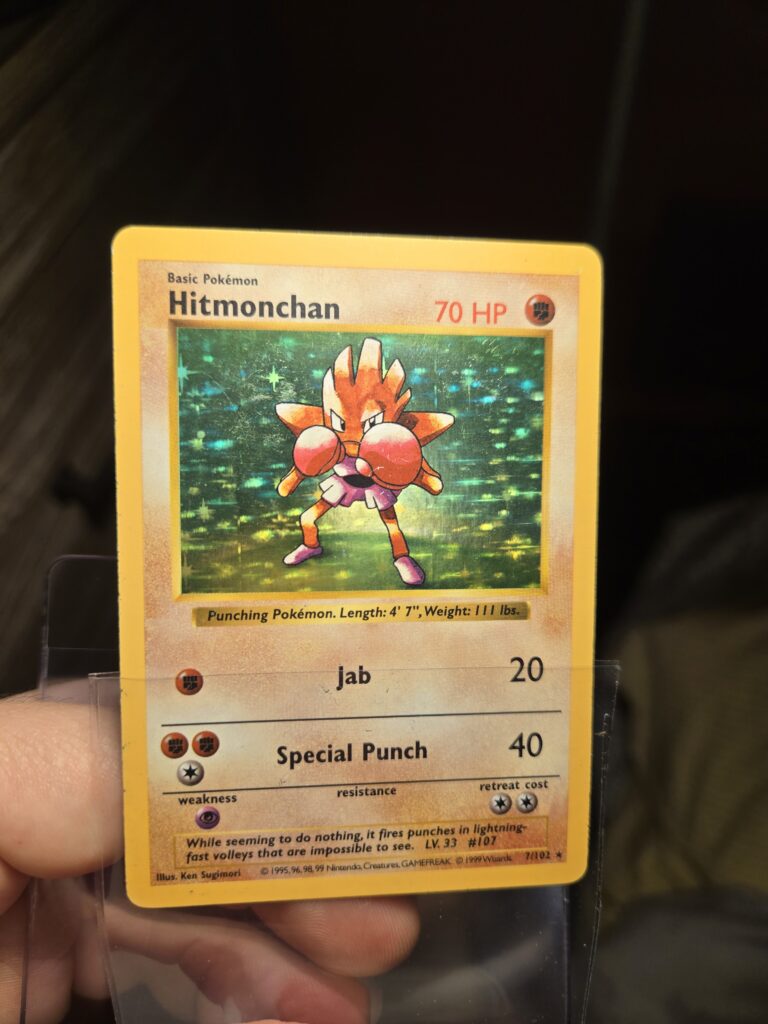
Pokemon cards often hold or even increase in value when a country’s currency loses worth, acting like a safety net for collectors and investors. This happens because they are physical items with steady global demand, not tied to one weakening money system.
Think of currency devaluation as your paper money buying less over time. Governments might print more cash to fix economic problems, like high debt or slow growth. This makes everyday prices rise, but rare collectibles like a shiny Charizard from the Base Set do not follow suit. People still want them for nostalgia, fun, or as status symbols, so buyers from stronger economies step in with better currency.
Pokemon cards shine here for a few key reasons. First, they have built-in scarcity. The Pokemon Company prints limited runs, especially for older sets or special editions. Once those cards are out, no more come. This fixed supply means prices can climb as more fans chase them, even if local money weakens.
Second, the market spans the world. Collectors in the US, Europe, Japan, and beyond trade daily on sites like eBay or TCGPlayer. If the dollar drops, a European buyer with euros can snag cards cheaper in their terms and resell later. This cross-border flow keeps demand strong and prices stable or rising.
Take gold as a real-world parallel, though cards are more accessible. During tough economic times, like the 2008 crash or recent inflation spikes, gold prices jumped because it stores value better than cash. Pokemon cards work similarly on a smaller scale. High-grade gems, such as a PSA 10 Pikachu Illustrator, have sold for hundreds of thousands, holding up when fiat money falters.
Historical examples back this up. In countries facing hyperinflation, like Venezuela in the 2010s or Zimbabwe earlier, locals turned to trading cards, comics, and toys. These items kept real purchasing power because they had fans everywhere. Pokemon’s massive fanbase, fueled by games, anime, and tournaments, gives it extra edge over generic collectibles.
For investors on PokemonPricing.com, this means watching devaluation signals. Look for central bank rate cuts, rising national debt, or commodity price surges. When those hit, sealed booster boxes or graded vintage cards often see quick bumps. Just grade wisely through PSA or BGS to prove condition, as raw cards risk fakes or wear.
Portfolios mix well too. A few percent in top Pokemon cards diversifies away from stocks or bonds hit by currency drops. They are easy to store, liquid to sell, and bring joy while waiting out bad times.
New sets keep the hobby fresh, drawing in young buyers who might pay premium prices later. Veterans know: buy quality during dips, hold through chaos, sell when stability returns. This cycle has rewarded patient holders for decades.