# Why Pokémon Cards Are Seen as a Safer Speculative Investment
The Pokémon Trading Card Game has evolved from a childhood hobby into a legitimate investment vehicle that attracts serious collectors and financial strategists alike. Unlike many speculative markets that rely on hype alone, Pokémon cards benefit from fundamental factors that create a more stable foundation for investment decisions.
The most compelling reason Pokémon cards appeal to investors is the consistent, proven demand from a diverse fanbase. There’s a very clear demand for cards ranging from casual collectors to serious competitive players, and where there’s demand, supplies flow in through singles, packs, and booster boxes. This isn’t speculative demand driven by artificial scarcity. Real people want these products for genuine reasons, whether they’re building decks, completing collections, or preserving nostalgia.
The Pokémon Company’s production strategy in 2025 demonstrates how the market is maturing in ways that benefit long-term investors. The company printed 10.2 billion cards in 2025, which is stabilizing prices and bringing Elite Trainer Boxes back to manufacturer’s suggested retail price while curbing scalper dominance. This controlled supply approach means that prices are increasingly driven by actual collector interest rather than artificial shortages created by resellers.
One of the key advantages of Pokémon card investing compared to other speculative assets is the ability to identify patterns and make calculated decisions. Popular Pokémon combined with good art and quality promotional materials create a simple formula for identifying cards with long-term potential. Sets like Hidden Fates demonstrate how long-term investing in the Pokémon TCG market works, especially when prices are driven by people who actually want the product rather than speculators trying to flip inventory quickly.
The market has shown resilience even during periods of volatility. While modern cards like Pikachu ex experienced 10-15 percent dips after early 2025 surges, these corrections often tie to reprints or seasonal patterns rather than fundamental problems with the market itself. Booster box growth has proven more steady than individual card prices, offering investors a lower-risk approach to the hobby. This distinction matters because it shows that different investment strategies within Pokémon cards carry different risk profiles.
Reprints, which some investors initially feared, have actually become a stabilizing force. Wave 3 reprints for sets like Phantasmal Flames and Prismatic Evolutions dropped resale premiums by 15-20 percent, making collecting more accessible. This accessibility paradoxically strengthens the market by bringing in new collectors who might become long-term participants rather than quick flippers.
The Pokémon TCG isn’t going anywhere anytime soon, which separates it from many speculative investments. The franchise has decades of cultural relevance, continuous new set releases, and an active competitive scene. This permanence means investors aren’t betting on a trend that might disappear in five years. They’re investing in an established market with institutional support from The Pokémon Company.
Economic factors do influence the market, and casual spending can slow during inflation or global uncertainty. However, core collectors have increased by 30 percent since Pokémon Pocket’s rise, providing a buffer against casual market fluctuations. This growing core audience suggests the market is attracting more serious participants who view cards as long-term holdings rather than quick profits.
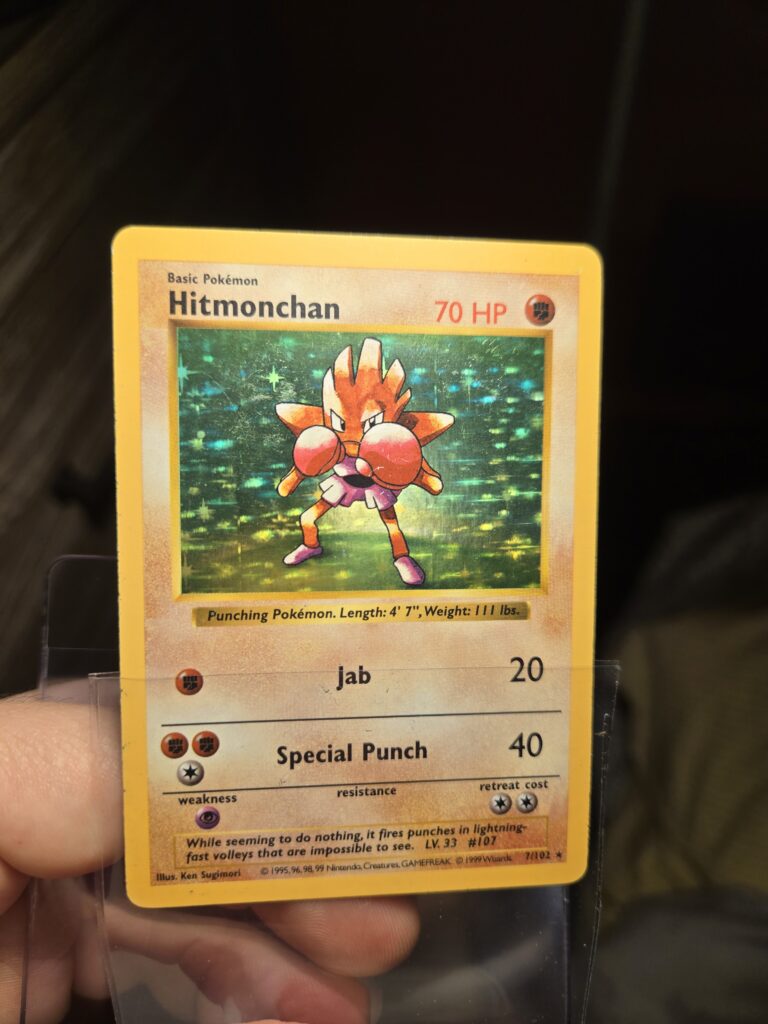
For investors seeking a repeatable, lower-risk approach, certain strategies have proven effective. Older cards featuring big-name Pokémon with quality hollow effects can appreciate significantly over time. Examples exist of five-dollar investments from a year ago becoming thirty-three-dollar cards today, though these results require patience and careful selection rather than random purchasing.
The key to viewing Pokémon cards as a safer speculative investment lies in understanding that this isn’t a collapse or a bubble waiting to pop. Instead, it’s a maturing market offering smart opportunities for those who approach it with balanced strategies. The combination of proven demand, controlled supply, identifiable patterns, and institutional support creates conditions where informed decisions can lead to positive outcomes. Unlike purely speculative markets driven by emotion and hype, Pokémon card investing rewards research, patience, and strategic thinking.