# Why Pokémon Cards Are More Finite Than Digital Assets
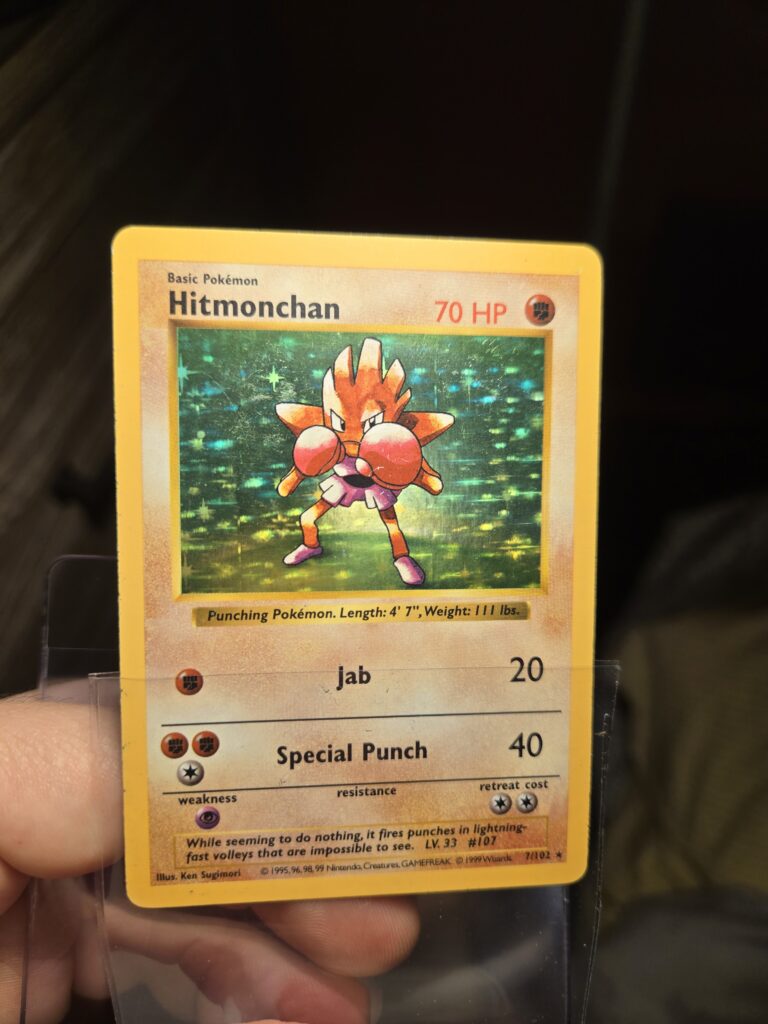
Pokémon trading cards exist in a physical world with real constraints that digital assets simply do not face. Understanding these differences helps collectors appreciate why tangible cards maintain value in ways that purely digital items struggle to replicate.
Physical cards have a fixed supply that cannot be easily replicated. When The Pokémon Company prints a batch of cards, that production run eventually ends. Vintage cards from the 1990s and early 2000s cannot be reprinted in their original form because the printing plates, materials, and distribution channels no longer exist in the same way. The rarest Pokémon cards are Japanese trophy cards that were awarded as prizes at official Pokémon events rather than sold to the public, with fewer than 40 copies of the Pikachu Illustrator card believed to exist[1]. This scarcity is permanent and verifiable.
Digital assets, by contrast, can be duplicated infinitely at virtually no cost. A digital file can be copied millions of times without degradation. Even blockchain-based digital collectibles, which use technology to create artificial scarcity, still face the fundamental problem that the underlying asset itself is not physically limited. The code can be updated, the platform can change, or the company behind the asset can alter its rules.
Condition matters for physical cards in ways that do not apply to digital items. A Pokémon card’s value depends heavily on its physical state. A card that survived decades in mint condition is worth exponentially more than one that shows wear. The Masaki Promo cards from Japan illustrate this perfectly. Because the promotion required mailing cards back and forth, many submissions were damaged or lost, and mint copies are exceptionally rare today[2]. This condition scarcity is irreversible. A damaged card cannot be restored to mint condition through any digital means.
The authentication process for physical cards creates real barriers to counterfeiting, though not perfect ones. Professional grading companies like PSA examine cards under magnification, test paper composition, and verify printing characteristics. This physical inspection creates a chain of custody that is difficult to forge at scale. Digital assets, while they can use blockchain verification, still face the problem that the underlying asset itself is infinitely reproducible. A counterfeit digital file is identical to the original.
Production numbers reveal the difference in scarcity between eras. The Pokémon Company prints an estimated 9.7 to 10.2 billion cards annually[1]. However, this modern overproduction does not apply to vintage cards. As of 2023, almost 53 billion Pokémon TCG cards have been produced worldwide across all years of operation[5]. This means that early production runs represent a tiny fraction of total cards ever made. Digital assets created today face no such constraint. Millions of copies can exist simultaneously without any meaningful scarcity.
Retirement of product lines creates permanent scarcity for physical cards. When a Pokémon TCG set goes out of print, no more sealed boxes will ever be produced. The supply is fixed forever. Collectors watch for when a set has been available for a certain period and reprint information ceases, signaling that the set’s increased likelihood of going out of print will further contribute to a rise in its sealed box price[4]. Digital platforms, by contrast, can always release new versions, updates, or similar products that dilute the value of earlier releases.
The investment performance of physical Pokémon cards demonstrates the value of true scarcity. According to Card Ladder data, Pokémon has delivered a 3,821 percent return since 2004[1]. This long-term appreciation reflects the reality that the best cards become increasingly scarce as time passes. Digital assets have not demonstrated comparable long-term stability because new digital items are constantly created and the underlying technology can become obsolete.
Vintage sports cards provide a useful comparison. The rarest baseball card, the T206 Honus Wagner, survives because supply is fixed[1]. No new copies will ever be printed. Pokémon’s elite tier, including 1st Edition Base cards and Trophy cards, operate the same way. These cards will never be reprinted in their original form, making their scarcity absolute and permanent.
The physical nature of cards also means they can be held, displayed, and verified in person. A collector can examine a card directly, feel its weight, and assess its condition with their own eyes before making a purchase. Digital assets require trust in a platform or blockchain system. If that system fails or changes, the asset may become inaccessible or worthless regardless of its original value.
Modern Pokémon cards do face overproduction risk, which is why distinguishing between vintage and contemporary cards matters for long-term value. However, even modern cards will eventually become scarce once production stops. Digital assets created today will compete with infinite new digital items created tomorrow, making true scarcity nearly impossible to achieve.
The fundamental difference comes down to physics. A physical card occupies space and cannot be duplicated without creating a counterfeit. A digital file is information that can be copied perfectly and infinitely. For collectors seeking assets with genuine long-term scarcity, this distinction between the physical and digital worlds remains the most important factor in determining which collectibles will retain value over decades.