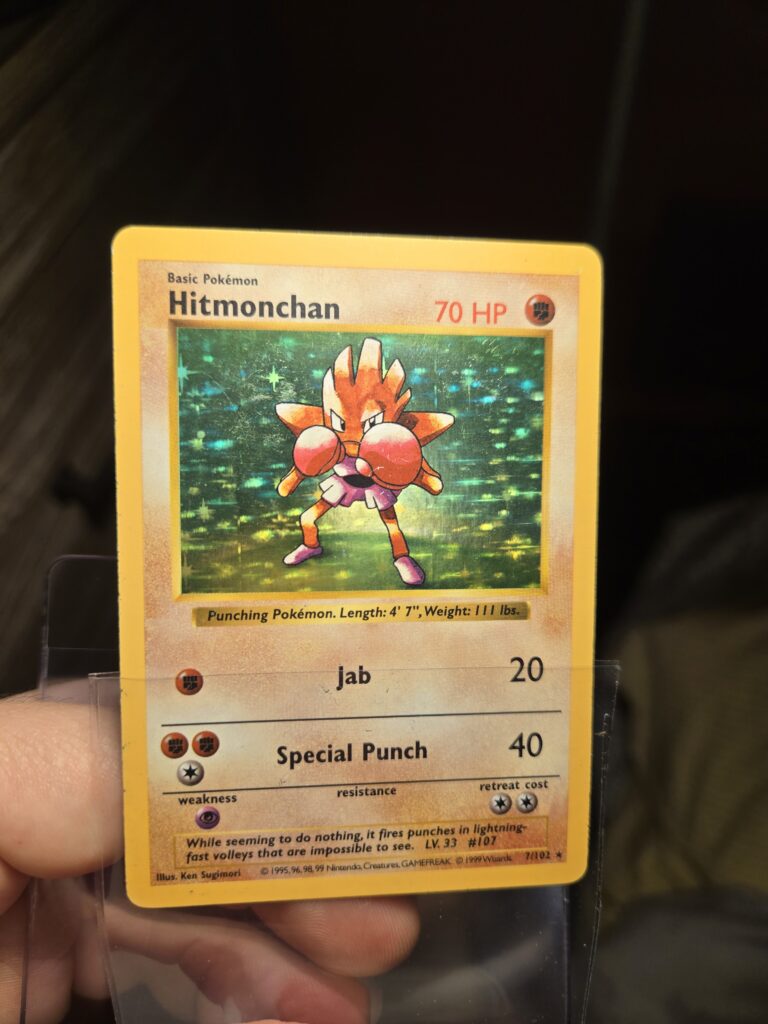
Pokémon cards started as fun collectibles for fans of the game and show. Now, more people see them as a smart way to protect and grow their money, much like gold or real estate. Why is that happening? Let’s break it down in simple terms.
First, think about what wealth preservation means. It is keeping your savings safe from losing value over time due to inflation or bad economies. Traditional options like stocks or bonds can crash during tough times. Pokémon cards offer something different: steady demand from fans worldwide that keeps prices climbing long-term.[1]
The market proves it. Global sales hit $2.2 billion in 2024, up 25% from the year before. Even with some dips in 2025, like hyped cards dropping 10-15% after big surges, the overall trend stays strong. Production ramped up to 10.2 billion cards this year to meet demand, stabilizing prices and making entry easier.[1] Nostalgia plays a huge role too. Sets tied to anniversaries, like the upcoming 30th in 2026, boost values. Cards from older sets, such as Unova ones, jumped 40% year-over-year.[1]
Look at past winners. Booster boxes from Sun and Moon era bought four years ago turned huge profits. A top chase card raw might sell for $300, but a PSA 10 graded version hits $6,000 because so few exist.[2] Modern sealed products like Pokémon 151 or Sword and Shield sets show similar promise, with undervalued boxes poised for growth as total set values rise.[2][3] Even in dips, top singles from recent eras hold support levels around $13,000 in combined value, far above early lows.[5]
Grading adds power. A raw card might fetch hundreds, but PSA 10 versions multiply that. Tools like PriceCharting make it easy to check: a Rayquaza V-Mix raw at $630 jumps to $1,400 graded.[4] New 2025 cards already rank high, with Mega Gardevoir ex at $194 market price and others pushing $247.[6]
Volatility exists, sure. Hype drives quick ups and downs, often from FOMO or reprints.[1][5] But smart buyers focus on sealed products or graded chases from resilient sets. Debates among collectors favor these over singles for long-term holds, especially with exclusive promos.[7]
This mix of fun, scarcity, and global fandom turns Pokémon cards into a real asset. Fans collect for joy, investors buy for protection. Both win as prices reflect endless appeal.