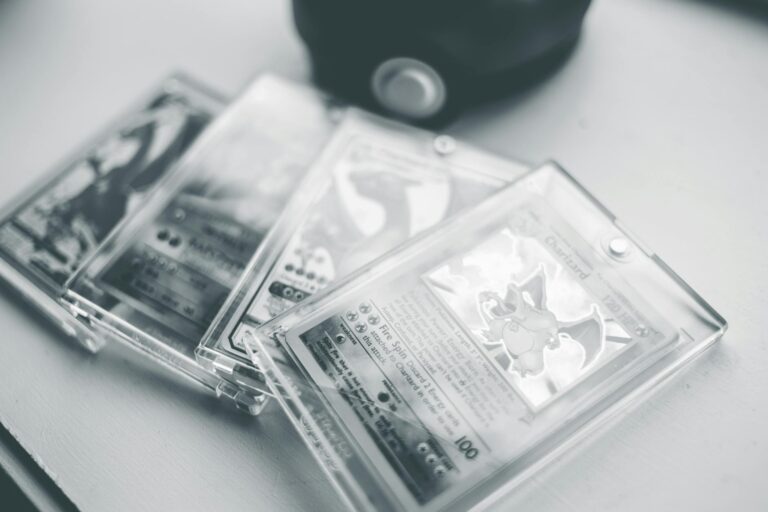
Imagine you’re a kid back in the day, tearing open a fresh pack of Pokémon cards at the kitchen table, your eyes lighting up as you spot that shiny holographic Charizard staring back at you. Fast forward to today, and Pokémon cards aren’t just for kids anymore—they’re a massive hobby for collectors, players, and investors worldwide. But if you’ve been hunting lately, you’ve probably noticed something frustrating: those 4th print Pokémon cards, the ones marked with a little “4th” stamp in the fine print on the bottom left of the card, are ridiculously tough to track down. They’re not reprints from the dusty old 90s sets, but modern ones from recent expansions like Scarlet & Violet or the brand-new Mega Evolution sets. Why are they so elusive when earlier prints like 1st, 2nd, or 3rd seem to pop up more often? Let’s break it down step by step, like we’re chatting over a booster box, keeping it straightforward without any fancy jargon.
First off, what even is a 4th print? In the Pokémon Trading Card Game world, prints refer to the batches a set goes through during production. Each expansion, like Paldean Fates or Twilight Masquerade, starts with a 1st print run—that’s the freshest batch right when the set drops in stores. As demand stays sky-high (and Pokémon is always in demand), the company behind it, The Pokémon Company, cranks out more waves: 2nd print, 3rd print, and so on. You can tell them apart by that tiny symbol in the card’s artwork area or the print line at the bottom. A 4th print means it’s from the fourth big production run, usually hitting shelves months after launch when the hype is still raging but supply starts to thin out. These aren’t rare chase cards like illustration rares or gold hyper rares; they’re the base cards everyone needs for decks. Yet, they’re vanishingly scarce compared to their earlier siblings[1][3].
The big reason boils down to simple math: overwhelming demand meets limited supply tweaks. Pokémon cards exploded in popularity during the pandemic, and that fever hasn’t fully cooled. Sets sell out in hours at big retailers like Walmart or Target, and online spots like Amazon vanish faster than a Ditto transform. By the time 4th prints roll around, collectors and players have already snapped up boatloads of 1st through 3rd prints. Stores prioritize stocking the newest stuff—think the hot-off-the-press Mega Dream Secret Rares or Ascended Heroes packs—over digging into older print runs sitting in warehouses[1]. One collector on a YouTube deep dive noted how Scarlet & Violet era packs, which include those still-printing sets, are “pretty difficult to find on store shelves” even though they’re officially in production. He pointed out Steelix cards from those packs as examples you “could still kind of find,” but only “a bunch of them, not all,” hinting at selective distribution[1].
Printing capacity plays a sneaky role here. Pokémon’s printers—massive factories churning out billions of cards—don’t run endless shifts for every print wave equally. Early prints get the lion’s share because they’re tied to launch hype. Later ones like 4th prints might get shorter runs if sales data shows demand dipping just a tad, or if factories shift gears to newer sets. Think about it: producing a 4th print means retooling sheets, aligning inks, and quality-checking for errors, which slows things down. A video breakdown on production woes explained how even tiny delays, like fixing a sheet for a fancy etched gold “Mega Hyper Rare” card, could cost “an hour” that gets redirected to high-demand packs like Prismatic Evolution or Fantasma Flames instead[3]. That hour adds up to days, meaning fewer 4th print packs make it out the door. In Mega Dream EX, they’ve been spotting tons of error cards because they “couldn’t print enough cards to put in all the boxes,” forcing rushed shipments and delays on things like Elite Trainer Boxes[3].
Distribution is another headache. Pokémon cards don’t just magically appear on shelves; they flow through a chain from printers to distributors to stores. By 4th print stage, a lot of product is allocated to online sellers, hobby shops, or secondary markets where scalpers lurk. Big box stores might get pallets of 1st prints for the initial rush, but later prints trickle in sparingly to avoid overstock. Streamers and YouTubers ripping packs live often pull from fresh 4th print stock because they buy direct from distributors, but us regular folks at retail? Good luck. One analysis called out how Pokémon might be “starving the market again” with short prints on chase items like modern golds, but it trickles down to base 4th prints too—scarcity builds hype, keeps prices firm, and turns hunting into a game[3].
Scalpers and hoarders amp up the pain. With cards like Mega Lucario artwork or Misty’s Lapras illustration rares fetching $30-$40 raw, people buy cases of 4th print products hoping for pulls[1]. They sit on unopened boxes, waiting for values to climb, so sealed product dries up fast. Pull rates matter here too—even “easy” special illustration rares at 1 in 60 packs make every box a gamble, so fewer casual buyers crack them open, preserving sealed 4th prints in private stashes[1]. Error cards from print rushes add rarity; things like missing symbols or ink issues pop up more in later prints, making clean 4th prints even harder to find amid the chaos[2].
History echoes this pattern. Back in the Wizards of the Coast days (pre-2003), sets like Jungle had wild print errors—gray stamps on 1st editions, black flame Ninetales on unlimiteds, or pink backs on rares—because early runs were experimental and short[2]. Today’s 4th prints feel like modern echoes: rarer variants slip through, like no-symbol holos or double-printed backs, boosting collector interest without official rarity labels[2]. A prototype Jungle pack even hints at secret chase cards never fully printed stateside, showing how print decisions create artificial scarcity[2].
Market flips add layers. Prices for in-pack hits fluctuate wild—Charizard special illustration rares might dip, but PSA 10 graded versions skyrocket, incentivizing hoarding of any print[1][3]. New rarities like Mega Hyper Rares (those all-gold etched beauties replacing old hypers) debut in sets still printing 4th waves, pulling focus from base stock[4]. Videos tracking 2025’s most valuable pulls list Mega Gardavore at $38, barely above Lucario, but note how lists “changed quite a bit,” reflecting shifting availability[1].
Global factors sneak in too. Pokémon prints for different regions vary—Japan gets Japanese-language 4th prints aplenty, but English ones lag due to shipping and localization. Factories prioritize high-volume markets, so U.S. shelves see spotty 4th print restocks amid port delays or tariffs. Conventions like Pokémo