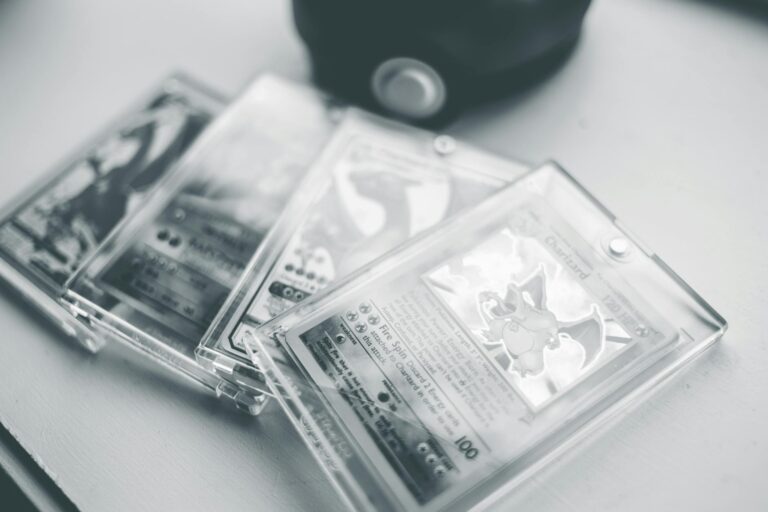
Pokémon Base Set cards with 1999-2000 dates come from the original Base Set released on January 9, 1999, and its reprint known as Base Set 2 released on February 24, 2000. These dates show up on the cards themselves in the copyright line at the bottom, marking when Wizards of the Coast printed them as the first big wave of Pokémon trading cards in the West.[1][3] The 1999 Base Set kicked off the whole craze with 102 cards full of classic Pokémon like Charizard, Blastoise, and Venusaur, while Base Set 2 mixed in some Jungle cards and added up to 130 total, making it a bit easier for kids to find matches back then.[1][2][3]
Let’s start with the heart of it all: the 1999 Base Set. This was the very first Pokémon card expansion outside Japan, hitting stores nationwide on that January 9 date after some pre-sales in December 1998. Every card in this set has “© 1999” right there in the fine print, tying it straight to that launch year. It introduced holographics, those shiny rare cards that caught every kid’s eye, plus rarity symbols like circles for commons, diamonds for uncommons, and stars for rares. The set built the basic rules for the game we know today, with energy cards, trainer cards, and Pokémon from the first 151 in Red and Blue games.[2][3][4][6]
Picture opening your first booster pack back then – 11 cards inside, random pulls, and the thrill of maybe getting a holo. The top stars from 1999 Base Set include the legendary birds like Articuno, Zapdos, and Moltres in holo form, their first big shiny appearances. Dragonite and Lapras also shine as fan favorites, with artwork that feels epic even now. Then there’s the big three starters: Venusaur, Charizard, and Blastoise, all holo rares that people still chase for collections. Charizard alone became a legend, with its massive attack power and that roaring pose.[2][6]
But not every card was a rare gem. The commons filled out the set with basics like Rattata, Pidgey, and Caterpie – simple Pokémon perfect for building starter decks. Energy cards like Double Colorless Energy (number 96) were must-haves, providing two energy in one attach, and yes, some prints of these show the 1999-2000 mark, especially in later runs labeled as “4th print.”[5] Trainer cards added strategy, with Bill for drawing cards, Gust of Wind to switch opponents’ active Pokémon, and Switch to swap your own. The full 102-card lineup breaks down like this: 16 holos (the rares), 32 uncommons, 32 commons, 4 energy types with multiples, and key trainers mixed in.[1][3]
Print runs mattered a lot for these 1999 cards. Early ones are “shadowless,” meaning no drop shadow under the artwork, making them super rare and valuable today. Later 1999 prints added the shadow, and some even say “1st edition” in a circle on the left side for the absolute first batch. Collectors hunt these because the print quality varied – centering could be off, edges chipped easy, but that raw nostalgia keeps demand high.[2][5][6]
Fast forward to 2000, and Base Set 2 steps in with “© 1999-2000” on every card, reflecting its February 24 release. This wasn’t a whole new set but a reprint combo of Base Set and Jungle cards, bumping the total to 130. It got a silver-bordered “2” symbol to spot it quick, and while it’s not as hyped as the original, it’s key history. Kids who missed early Base Set could grab these cheaper packs, and it kept the game alive while new sets like Jungle and Fossil rolled out.[1][2][3]
Base Set 2 reused a ton from 1999, so you get Charizard, Blastoise, and Venusaur again as holos, plus Jungle adds like Scyther and Vileplume. No new mechanics, just more supply of the originals. Top pulls here mirror the first set but feel more accessible – great for new collectors today who want that vintage look without breaking the bank. Print quality improved a smidge, but high-grade gems are still tough due to play wear from the era.[2]
Why do these dates matter so much? Pokémon cards exploded from Japan in 1996, but the West got hooked in 1999 with Base Set tying into the Game Boy games and anime blast. By 2000, sets like Team Rocket (April 24, 2000) built on it with dark versions, but Base Set stayed the foundation.[4] No other Base Set cards fall in 1999-2000 – Jungle is June 1999 but pure Jungle, Fossil October 1999 standalone, and so on. Base Set 2 is the only direct follow-up with that dual-year stamp.[1][3]
Diving deeper into the cards themselves, let’s list out the key 1999 Base Set ones everyone remembers. Holo rares: number 1 Bulbasaur line ends with Venusaur #15, Charmander to Charizard #4, Squirtle to Blastoise #2, plus Pikachu #58, Hitmonchan #7, and those birds Articuno #2, Zapdos #16, Moltres #13. Each has attack moves like Charizard’s Fire Spin, burning for big damage over turns. Commons include Abra #43 with Teleport to retreat safe, or Mankey #44 evolving to Primeape. Energy covers Fire #98, Water #99, Lightning #100, Grass #101, Psychic #102, all basic attaches.[3][6]
For Base Set 2 in 2000, it reprints those plus Jungle holos like Vaporeon #12, Jolteon #3, Flareon #5, and bugs like Pinsir #17. Trainers carry over too – Professor Oak #92 for fresh hands, Computer Search #71 to grab any card. The “1999-2000” text confirms the print timing, often on non-holo commons more visibly since holos faded over time from light exposure.[2][5]
Collecting these today means checking the copyright line closely. Flip the card over or zoom in – 1999 solo for originals, 1999-2000 for the reprint. Shadowless 1999s are priciest, unlimited prints more common. Packs from back then had that Wizards of the Coast logo, black star promo stamps on some prereleases, but those are special stamps on reprints, not standard Base Set.[7]
The artwork deserves its own spotlight. Keiji Terui and others drew these with a clean, vibrant style – Charizard mid-flame breath, Blastoise cannons blasting, all on that blue-backed stock. Holo foil diffracts light into rainbows, a tech Wizards nailed first try. Base Set 2 kept the same art but tweaked borders slightl