Gen Z allocates the highest percentage of their wealth to collectibles of any generation, devoting a striking 26% of their total wealth to art and collectibles according to the Art Basel & UBS Survey of Global Collecting 2025. Within that allocation, 56% goes specifically toward collectibles like sneakers, luxury handbags, and classic cars””far exceeding the 41% average among all high-net-worth individuals. For Pokemon card collectors, this translates directly: younger collectors entering the hobby are often treating their purchases as both passion and investment, willing to dedicate substantial portions of their financial resources to building meaningful collections. However, while Gen Z leads in wealth allocation percentage, millennials represent the largest absolute number of active collectors, with a 48% rise in millennial participation driving much of the market’s recent growth.
Over 58% of U.S. collectors are aged 25-45, placing millennials and older Gen Z at the center of the collectibles economy. When Bank of America surveyed generational interest in collectibles, 94% of Gen Z and millennials expressed interest””compared to 80% of Gen X, 57% of Baby Boomers, and 55% of the Silent Generation. This article examines why younger generations dominate collectibles spending, how their approaches differ from older collectors, what categories they favor, and what these trends mean for the Pokemon card market specifically. Understanding these generational dynamics can help collectors recognize where demand is heading and how valuations may shift in coming years.
Table of Contents
- Why Does Gen Z Spend the Highest Share of Wealth on Collectibles?
- How Millennials Drive the Collectibles Market’s Explosive Growth
- What Collectibles Categories Are Each Generation Buying?
- Should You Collect for Investment or Passion?
- What Risks Do Younger Collectors Face?
- How Large Is the Global Collectibles Market?
- What Does the Future Hold for Generational Collecting?
- Conclusion
Why Does Gen Z Spend the Highest Share of Wealth on Collectibles?
gen Z’s outsized allocation to collectibles stems from a fundamentally different relationship with traditional investment vehicles and material goods. More than half of Gen Z views spending on hobbies and interests as a necessity rather than a luxury, according to Bank of America research. This generation came of age during economic uncertainty, rising housing costs, and declining faith in conventional retirement pathways. Collectibles represent something tangible””assets they can enjoy while potentially appreciating in value. The numbers reflect this mindset clearly. Gen Z collectors don’t just dabble; they commit.
That 26% wealth allocation to art and collectibles dwarfs what previous generations typically devoted to alternative assets at similar life stages. For a 22-year-old Pokemon collector, spending $500 on a graded Charizard isn’t frivolous””it’s a strategic decision that combines nostalgia, community participation, and portfolio diversification. Whether this strategy proves financially sound over decades remains to be seen, but the conviction is genuine. This behavior also reflects access. Digital platforms, authentication services, and online marketplaces have lowered barriers to entry for collectibles investing. A Gen Z collector can research card values, verify authenticity, compare prices across sellers, and make purchases entirely from their phone. Previous generations navigated card shops, trade shows, and print price guides with far less transparency.
How Millennials Drive the Collectibles Market’s Explosive Growth
While Gen Z allocates the highest percentage, millennials move the most money through the collectibles market in absolute terms. That 48% rise in millennial collectors represents millions of buyers with established careers, disposable income, and deep nostalgia for properties like Pokemon, which launched during their formative years. More than half of millennials now purchase collectibles specifically as a form of investment, treating vintage cards and sealed products as alternative assets alongside stocks and real estate. The 25-45 age bracket controlling over 58% of U.S. collectors creates a powerful demand engine.
These buyers remember opening Base Set packs in 1999, and they now have the financial means to acquire the cards they couldn’t afford as children. A millennial collector might spend $2,000 on a PSA 9 First Edition Blastoise not because they expect it to triple in value, but because owning it fulfills a childhood dream while potentially holding its worth. However, millennial dominance in raw collector numbers doesn’t guarantee permanent market influence. As Gen Z ages into higher earning years and millennials shift priorities toward family expenses or retirement savings, the balance may change. Collectors should recognize that today’s demand patterns reflect specific generational life stages, not permanent market conditions.
What Collectibles Categories Are Each Generation Buying?
Generational preferences extend beyond how much is spent to what gets collected. Gen Z shows particular enthusiasm for lifestyle collectibles””sneakers, luxury handbags, vinyl records, and vintage fashion alongside traditional categories like trading cards. According to Futuresource Consulting, 60% of Gen Z buys vinyl records, with 76% of Gen Z vinyl enthusiasts purchasing at least monthly per the Vinyl Alliance. This pattern suggests Gen Z values aesthetic and experiential aspects of collecting, not just investment potential. Digital collectibles also skew younger. About 23% of collectors plan to buy digital art in 2025, up from 19% in 2024, with that figure climbing to 26% among Gen Z specifically.
NFTs have captured 15% of collector item transactions, though this market remains volatile. For Pokemon collectors, this manifests in interest around digital card games, authenticated digital assets, and hybrid physical-digital products. Older generations tend toward more established categories. Baby Boomers and Gen X collectors often focus on fine art, antiques, coins, and stamps””categories with longer track records and more traditional authentication systems. A 60-year-old collector might view Pokemon cards skeptically as a speculative bubble, while their 25-year-old counterpart sees the same market as undervalued cultural artifacts. Neither perspective is inherently correct; they reflect different risk tolerances, cultural touchstones, and investment horizons.

Should You Collect for Investment or Passion?
The generational data reveals a tension running through modern collecting: more than half of millennials treat collectibles as investments, yet the most sustainable collecting behavior typically combines financial awareness with genuine enthusiasm. A collector who buys solely for appreciation potential may panic-sell during market corrections, while someone collecting purely from passion might overpay for items with limited resale value. The Pokemon card market illustrates this tradeoff clearly. Investors who entered during the 2020-2021 boom expecting perpetual gains often faced steep losses when prices corrected.
Meanwhile, collectors who understood card values, built relationships with trusted sellers, and focused on personally meaningful items generally weathered volatility better. The 94% interest rate among Gen Z and millennials includes both sophisticated collectors and speculators””and the latter group tends to exit during downturns, sometimes creating buying opportunities for patient collectors. For practical guidance, consider allocating a portion of collecting budget to investment-grade items (high-grade vintage, sealed product, iconic chase cards) while reserving the rest for cards you genuinely want to own regardless of market movements. This approach mirrors how younger generations increasingly think about their collections: serious about potential returns but not purely mercenary.
What Risks Do Younger Collectors Face?
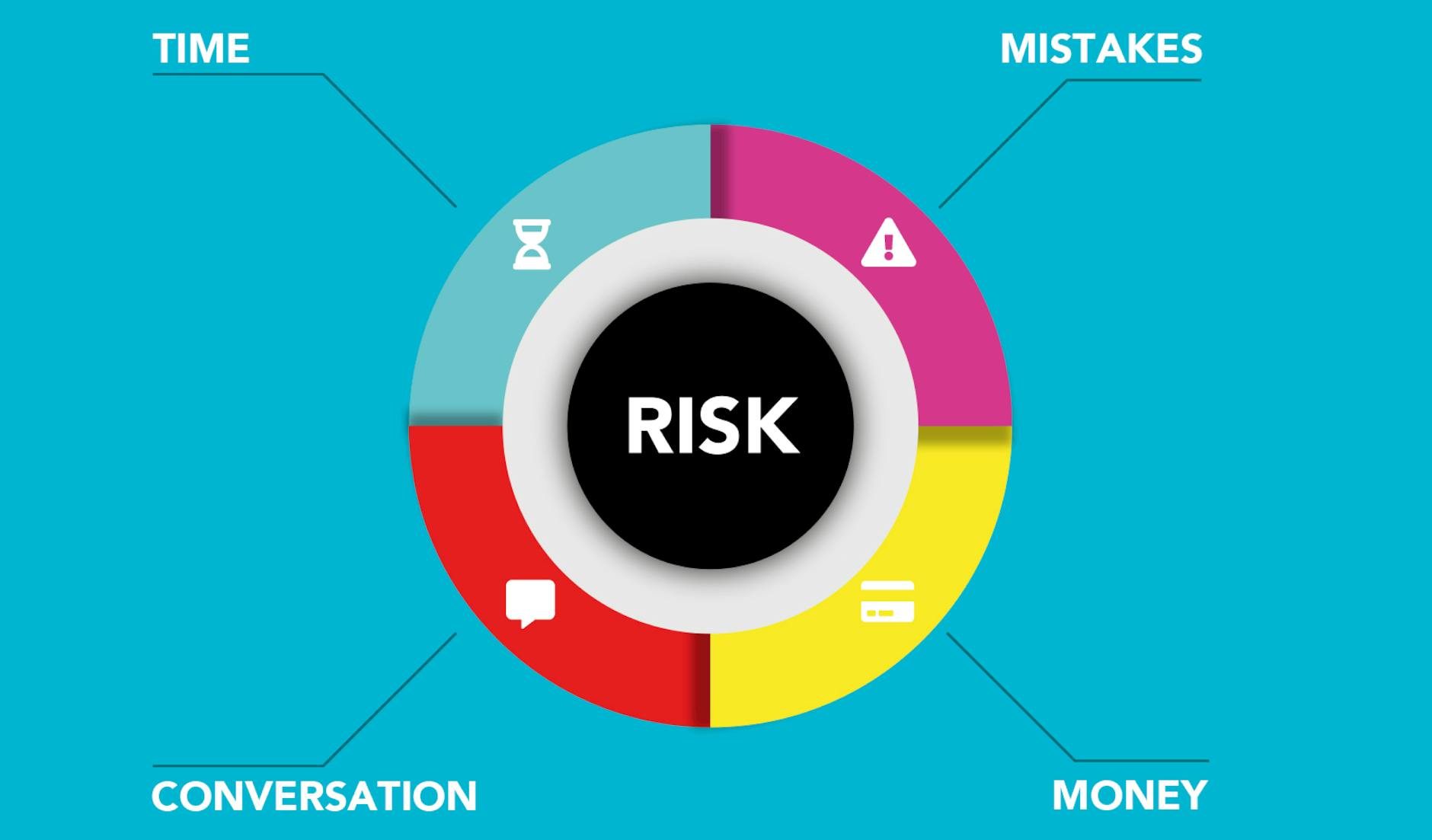
Gen Z’s 26% wealth allocation to collectibles represents both enthusiasm and potential vulnerability. Concentrating over a quarter of net worth in illiquid alternative assets carries meaningful risk, particularly for collectors early in their financial lives. Collectibles cannot be quickly liquidated at fair value during emergencies, don’t generate income like dividend stocks or rental properties, and depend heavily on continued cultural relevance for long-term appreciation. The Pokemon market specifically faces generational risk. Current demand relies substantially on millennial nostalgia and Gen Z enthusiasm.
If younger generations don’t develop equivalent attachment to these properties, or if Pokemon’s cultural relevance fades, valuations could decline regardless of card condition or rarity. This isn’t a prediction””Pokemon has demonstrated remarkable staying power””but collectors should acknowledge this dependency rather than assuming perpetual growth. Authentication and fraud also disproportionately affect newer collectors. Sophisticated counterfeits, resealed vintage products, and manipulated grading submissions can trap inexperienced buyers. Gen Z and millennial collectors transacting primarily online may lack the hands-on experience that older collectors developed through years of in-person trading. Building relationships with reputable sellers, learning authentication basics, and buying from established platforms with buyer protections helps mitigate these risks.
How Large Is the Global Collectibles Market?
Market sizing for collectibles varies dramatically depending on methodology and which categories are included. Conservative estimates place the global collectibles market at $2.91 billion in 2024, projected to reach $4.89 billion by 2033 at a 5.88% compound annual growth rate. Broader definitions that include luxury goods, fine art, and vintage vehicles suggest a market of $321.24 billion in 2025, expected to reach $467.31 billion by 2032 at 5.5% CAGR.
For Pokemon card collectors, the relevant segment falls somewhere between these figures. Trading cards represent a meaningful portion of the collectibles market, with Pokemon maintaining the largest share of the trading card game category. The wide range in market estimates reflects genuine uncertainty about category boundaries””should a $50,000 vintage Rolex count alongside a $50,000 vintage Charizard?””rather than analytical disagreement. What matters for individual collectors is that substantial capital flows through these markets, creating liquidity and price discovery mechanisms that benefit serious participants.
What Does the Future Hold for Generational Collecting?
The 94% interest rate among Gen Z and millennials suggests collectibles will remain culturally significant as these generations age into peak earning years. However, preferences will likely evolve. Today’s Gen Z collector buying vintage Pokemon cards may become tomorrow’s parent buying sealed product for their children, shifting from personal collection building toward creating experiences and passing down cultural traditions. Digital integration will accelerate.
The rising interest in digital art and NFT participation, despite recent market turbulence, indicates younger collectors are comfortable with non-physical ownership in ways older generations often aren’t. Pokemon has already moved into this space with various digital initiatives, and successful integration of physical and digital collecting could open new market segments while potentially cannibalizing traditional card demand. Market infrastructure will continue maturing. Grading services, authentication technology, price tracking platforms, and insurance products are all becoming more sophisticated, partly in response to increased participation from younger, digitally-native collectors who expect professional-grade tools. These developments generally benefit serious collectors while potentially raising barriers for casual participants who preferred the informality of earlier eras.
Conclusion
Gen Z allocates the most wealth to collectibles proportionally at 26%, while millennials represent the largest active collector base with 48% growth in participation. Together, these generations account for 94% interest in collectibles and are fundamentally reshaping how the market operates””favoring digital platforms, treating purchases as investments, and bringing unprecedented capital to categories like Pokemon cards that previous generations often dismissed as children’s toys. For Pokemon collectors specifically, understanding these generational dynamics provides useful context for buying and selling decisions.
Demand is currently driven by millennial nostalgia and Gen Z enthusiasm, creating strong markets for vintage cards and modern chase items alike. Whether this demand persists depends on factors including economic conditions, cultural relevance, and how effectively younger collectors maintain their engagement as life circumstances change. The most resilient approach remains collecting what you genuinely value while staying informed about market conditions and generational trends that shape demand.