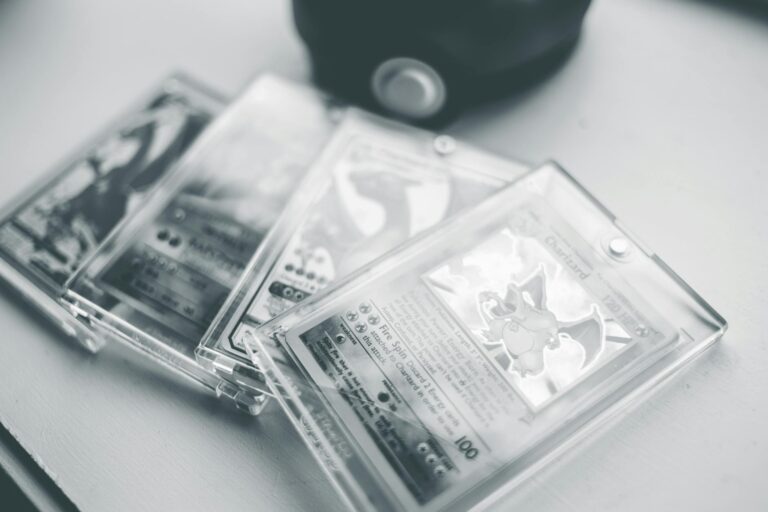
The last base set product printed before Jungle released was Base Set 2, a reprint expansion from the Pokémon Trading Card Game that came out in early 2000, right as the original Base Set was still fresh and just before the Jungle expansion hit shelves in June 2000.
To get the full picture, let’s step back to how the Pokémon Trading Card Game kicked off back in 1999. Wizards of the Coast, the same company behind Magic: The Gathering, brought Pokémon cards to the English-speaking world with the original Base Set. That first set dropped in January 1999 and included 102 cards packed with iconic Pokémon like Charizard, Blastoise, and Venusaur. It was the starting point for millions of kids and collectors, with those holographic versions becoming instant legends. The set was huge for building decks around basic Pokémon types—fire, water, grass, and so on—and it set the standard for rarity symbols, energy cards, and trainer cards that every future set would follow.
But printing doesn’t stop once a set launches. Wizards kept churning out Base Set products through 1999 to meet demand. Booster packs, theme decks, and starter sets kept flooding stores. Then, as the one-year mark approached, they decided to give new players an easier way in without waiting for the next big expansion. That’s where Base Set 2 fits in. Released in January 2000, it was basically a refreshed version of the original Base Set, but with 130 cards total. It pulled in most of the originals and added a handful from Jungle early on, like Scyther and Electabuzz, to bridge the gap. This made it a smart move—veterans got more copies of chase cards, and newcomers could jump in without hunting down sold-out Base Set packs.
Why call it a “base set product”? In Pokémon TCG lingo, Base Set refers to that core starter lineup, and Base Set 2 was explicitly a reprint effort to extend its life. It wasn’t a full new expansion like Fossil, which came out in October 1999 with ancient Pokémon and time-travel themes. Fossil wrapped up the first year nicely, but Base Set 2 was the final print run tied directly to the base concept before Wizards shifted gears to Jungle. Jungle launched on June 16, 2000, bringing 64 new cards focused on stage-one evolutions and rare holos like Vileplume and Snorlax. Those Jungle packs introduced the green jungle border and ramped up the evolution chains, making decks more strategic.
Printing timelines matter here because card production isn’t instant. Factories in Belgium and Japan were cranking out Base Set 2 boosters right up to the spring of 2000. Store shelves had Base Set 2 unlimited edition packs—those non-first-edition ones with the drop shadow on the artwork—sitting alongside the tail end of Fossil right as Jungle previews started buzzing. Collectors today love Base Set 2 for its clean print quality and the fact that it includes reverse holos for the first time in a base-style set, though those were limited. Prices back then were around $5-7 for a booster box of 36 packs, making it affordable compared to scalped original Base prices.
Diving deeper into what Base Set 2 offered, it reprinted 82 cards from the original Base Set, skipped some like the holographic Bill’s and Professor Oak’s to streamline things, and tossed in nine from Jungle. Think of cards like Jungle’s Mr. Mime or Pinsir showing up early. This mix made it playable right away with existing decks. The set code was “BS2,” and it had its own symbol—a little Poké Ball with a 2. Unlimited prints dominated, but there were shadowless versions too, which are subtler without the black drop shadow on art, making them sought after by graders.
Now, contrast this with Magic: The Gathering, since Wizards handled both games. In MTG, base sets were annual like Revised Edition in 1994, right before expansions like Fallen Empires in November 1994. But Pokémon didn’t follow that exact model—its “base” was more of a flagship starter, with expansions building out fast. Base Set 2 was Wizards’ way of mimicking those MTG reprints, like Unlimited Edition, to keep supply steady. Without it, the gap between Fossil and Jungle might have left stores bare.
What made Base Set 2 the true cutoff? Production records and collector timelines pin it as the last major Base-branded product. Jungle’s print run started ramping up in May 2000, with prerelease events that month. By then, Base Set 2 was winding down, though straggler packs lingered in warehouses. Today, unopened Base Set 2 boxes fetch $300-500 on average, spiking for sealed holos inside. It’s underrated compared to original Base, but that’s because it served as that practical bridge.
Let’s break down the key cards that carried over and why they mattered. Take Charizard—Base Set 2 reprinted the holo version, card 4/130, with the same fiery artwork by Mitsuhiro Arita. It was a 120 HP beast with fire spin and surrender, drawing energy like crazy. Venusaur got its slot too, with the poison powder and explosive growth combo. These reprints helped fuel competitive play in early tournaments, where Base decks dominated until Jungle’s evolutions shook things up.
Trainer cards were clutch. Base Set 2 kept staples like Item Finder, Gust of Wind, and Switch, ensuring no one was stuck without basics. Energy cards—fire, water, lightning, psychic, fighting, grass—filled out the back half, always reliable. The Jungle previews added spice: Dragonair’s hyper beam previewed future dragon-types, and Hitmonchan’s punch moves hinted at fighting prowess.
Packaging was straightforward. Booster packs had the classic Pokémon logo with “Base Set 2” stamped below, 11 cards per pack—5 common, 3 uncommon, 2 rare slots (one holo chance), and an energy. Jumbo packs doubled that, and theme decks like “Evolutions” bundled 60-card starters with extras. Vending machines in Japan got special sheets, but English focused on retail.
Collector appeal exploded later. In 2025 registry awards, Base Set 2 master sets ranked high, with entries like Oregon_Kevin’s praised for high-grade holos. It’s scarcer than original Base due to shorter print run—estimated at half the volume. Shadowless BS2 Charizards grade 9-10 for $1,000+, unlimited ones around $200.
Tournaments tell the story too. Pre-Jungle, Base Set 2 fueled local leagues. Jungle changed everything with its 64-card roster—first stage ones like Kadabra evolving Abra, and holos like Muk spreading status effects. But without Base Set 2 holding the fort, that transition might have stumbled.
Printing quirks added charm. Some BS2 packs had misprints, like off-center holos or color shifts, boosting variant hunters. Factories hit peak efficiency by then, post-Fossil tweaks, so pulls felt fairer—better holo rates than early Base.
For new collectors, hunting Bas