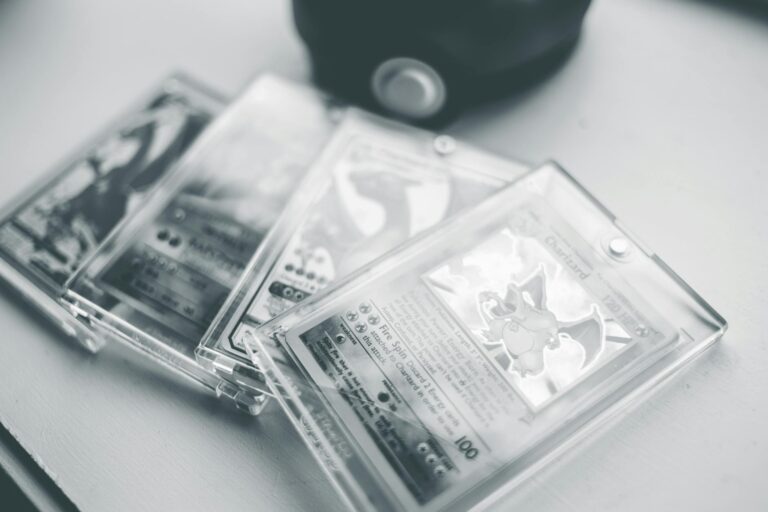
The 1999-2000 Machamp card from the Pokémon Base Set stands out among other base set cards because of its powerful artwork, tricky evolution line, high collector demand, and special print versions that make it rarer and more valuable than most holos from that era.[2][5] This card, numbered 8/102 as a rare holo, shows Machamp flexing its four massive arms in a dynamic pose that feels like it’s bursting right out of the card frame, grabbing attention in a way that many other base set Pokémon just don’t.[1]
Picture this: the original Base Set came out in Japan first in 1996 and hit the US in 1999, packed with 102 cards full of iconic Pokémon like Charizard and Blastoise. Most of those cards follow a standard layout with simple borders, basic attack descriptions, and artwork that stays neatly inside the frame. Machamp breaks that mold. Its illustration by Mitsuhiro Arita captures the Pokémon mid-power pose, with muscles bulging and fists ready to punch through anything. The holo foil shines in a way that makes those arms pop, turning it into a centerpiece for any collection. Unlike quieter cards like Pidgeot or Alakazam, which have more static poses, Machamp screams action and strength, tying perfectly into its lore as a Fighting-type beast that evolves from the weak-looking Machop.[3][5]
What really sets it apart is its evolution chain, which mirrors the video games in a unique way. To get Machamp in the TCG, you start with Machop, a basic common card that’s easy to find but often overlooked. Then you evolve to Machoke, a stage 1 that’s solid but not flashy. Finally, Machamp as stage 2 requires you to bench Machoke and attach enough energy to unleash attacks like Rage or Submission. This three-stage path is longer than many base set lines, like the one-step evos for Venusaur or Blastoise. It makes building a Machamp deck a real commitment, rewarding patient players with a powerhouse that hits for 40 or 60 damage while punishing opponents with self-damage effects. No other base set holo demands that kind of strategy just to get on the field, making it a favorite for competitive play back in 1999 tournaments.[2]
Print variations crank up its uniqueness even more. The 1999-2000 prints include First Edition versions with a special stamp in the bottom corner, marking them as the very first runs before mass production kicked in. These are tougher to find in top shape because early printings used thinner stock that bent easily. Then there are Shadowless prints, where the card lacks the black shadow line around the artwork border, giving it a cleaner, more premium look. Shadowless Machamps are semi-rare transitional pieces from that brief production phase, valued higher than the later Revised editions with full shadows.[4][5] Holo versions like the 8/102 shine brighter and hold value better than non-holo Machamps, which barely move the needle in packs. A near-mint 1999-2000 holo recently sold around £28, but First Edition ones climb fast—PSA 10s hit $1,925 or more, way above commons like Machop from later sets.[2][5]
Rarity plays a huge role too. Base Set holos had low pull rates to begin with, but Machamp’s combination of popularity and condition sensitivity makes pristine copies scarce. Grading services like PSA hammer this home: a Grade 9 First Edition might go for $179, while ungraded ones hover at $10 because edges whiten and centers dim over time. Compare that to Team Rocket set Machops, which top out lower even in PSA 10 at $39 max. Machamp’s value holds steady due to nostalgia—kids in 1999 traded their allowances for it, dreaming of gym battles.[3][5]
Beyond the standard Base Set, there’s the ultra-rare Masaki’s Trade Promo Machamp from Japan around 1999-2000, which ties into a mail-in campaign where kids sent basic evo-line cards like Machop to The Pokémon Company. In return, they got back this promo version of Machamp, printed with the original Japanese Base Set layout: yellow borders, bold fonts, and a tiny “Masaki” mark in the corner. This promo references trading evolutions straight from the games, with fresh artwork that’s not quite Ken Sugimori’s standard style but still from the early team. The catch? Mailing real cards back and forth meant tons got damaged or lost, so mint Masaki Machamps are nearly impossible to find today. They’re not your everyday Base Set card—they’re historical artifacts from Pokémon’s wild promo days, far rarer than even First Edition holos.[1]
Artwork details dive deeper into why it pops. Mitsuhiro Arita’s design gives Machamp a fierce glare and rippling abs that no other base set Fighting-type matches. The background fades to white, focusing all eyes on the Pokémon, unlike busier arts on Golem or Hitmonchan. Holo patterning swirls across the arms, creating a 3D effect under light that flat cards like Electrode can’t touch. This frame-breaking vibe—where Machamp’s fists seem to push outward—echoes later “ex” set styles but started here, influencing how artists drew powerhouses for years.[1][4]
In decks, Machamp shone in the pre-rotation meta. Its Submission attack discards energy for big hits, perfect against bulky Blastoise decks dominating 1999-2000 play. Trainers paired it with Switch and Gust of Wind to swing games, something single-stage holos like Dugtrio couldn’t sustain. Casual players loved it for playground battles, evolving from that tiny Machop into a champ. Today, vintage tournaments still run Base Set rules, keeping Machamp relevant while most cards gather dust.[2]
Condition matters massively for uniqueness. Original 1999-2000 prints show specific markers: “©1995-1999 Nintendo/Creatures Inc./GAME FREAK inc.” copyright, no post-2003 security stamps, and sometimes a faint Topps logo. Whitening on holo borders or centering off by 55/45 tanks value, but perfect ones grade high and skyrocket. Unlike promo Pikachus with serial numbers, Machamp’s edge comes from organic rarity—no limited runs, just survival of the fittest through decades of shuffling.[4][5]
Collector stories highlight this. Forums buzz with tales of finding Shadowless Machamps in grandma’s attic, untouched since Y2K. Values spiked post-2020 boom, with First Edition LP copies at $19 but Gem Mint leaping to $475 in CGC slabs. It’s not the priciest like Charizard, but its accessibility for mid-tier collectors—combined with that iconic pose—makes it a gateway to Base Set mastery. Promo Masaki versions add mystique, as owners chase the five-card set including Golem and Gengar, each a trade-evo nod.[1][5]
Evolving the theme, Machamp embodies Pokémon’s core: growth through stages. Base Set had shorter lines for starters, but Macham