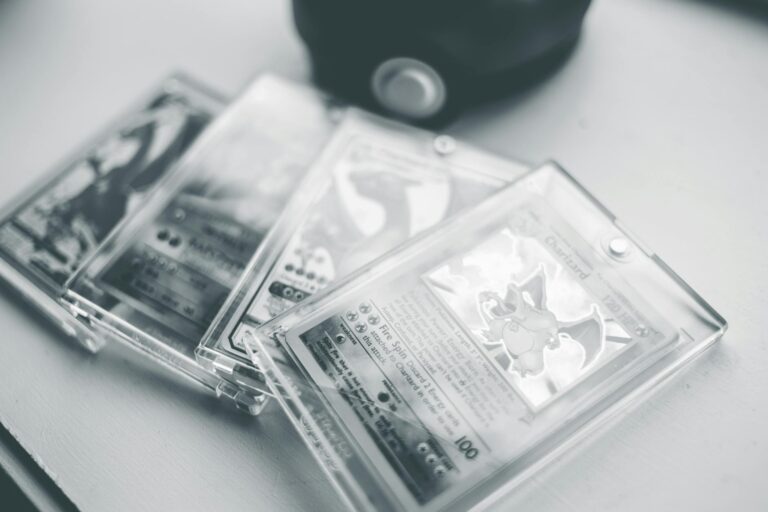
The 1999-2000 Charizard from the original Pokemon Base Set Unlimited edition holds a strong value, especially in top grades like PSA 10, where recent sales show it around $10,100, while comparable Unlimited Charizard cards from the follow-up Base Set 2 also hit PSA 10 values near $9,937[3][2]. These prices make the 1999-2000 Unlimited Charizard a solid collectible for fans, far below the sky-high costs of rarer versions like First Edition or Shadowless, but still a prized piece due to its classic appeal and steady demand.
To understand this value, let’s start with the basics of what these cards are. The Pokemon Trading Card Game launched in 1999 in the United States, printed by Wizards of the Coast. The very first print run was the Base Set, released that year, and it came in different flavors based on when they were made. The absolute rarest were First Edition cards, marked with a special stamp, printed in tiny numbers mostly for early hobby shops and tournaments. Then came Shadowless versions, which lacked the shadow around the card’s artwork border, making them scarcer than the later Unlimited prints. Unlimited cards, printed from late 1999 into 2000, added those shadows back and flooded the market to meet huge kid demand. Charizard, card number 4/102, the fiery dragon holofoil rare, became the instant superstar because of its cool art, powerful attacks, and that shiny gold look kids traded playground dreams over[1][5].
Your question zeroes in on the 1999-2000 Charizard compared to Unlimited, but here’s a key point: the 1999-2000 Charizard typically means the Base Set Unlimited from that era, as First Edition and Shadowless wrapped up earlier in 1999, with Unlimited dominating through 2000. So we’re really pitting the classic Base Set Unlimited Charizard against itself in a way, or more broadly, against other Unlimited variants like those from Base Set 2. The value difference comes down to condition, exact print details, and market trends. A raw, ungraded 1999 Base Set Unlimited Charizard sells for about $197 to $463 right now, based on recent eBay and TCGPlayer listings[3]. Bump it to graded levels, and it climbs: PSA 9 around $1,793, PSA 9.5 at $1,874, and PSA 10 topping $10,100, though that’s dipped from peaks over $13,000 earlier this year[3].
Now, compare that to the Base Set 2 Unlimited Charizard from 2000, also number 4/130. It’s a reprint with slightly updated art and layout, but still that iconic Charizard pose. Ungraded ones go for $173, PSA 9 at $921, PSA 9.5 $1,053, and PSA 10 around $9,937, with recent sales like a $4,750 Goldin auction in late 2024[2]. So the original 1999 Base Set Unlimited edges out Base Set 2 by a bit in top grades, maybe 5-10% higher, because collectors see the debut Base Set as more historic. Both are “Unlimited,” meaning mass-produced compared to the ultra-rares, but Base Set Unlimited has that pure nostalgia pull from being the first.
Why the gap to rarer versions? A PSA 10 First Edition Base Set Charizard blasts past at $150,000 to $250,000, and even Shadowless PSA 10s hit six figures regularly[1]. Unlimited lacks those scarcity markers, so supply is higher, keeping prices grounded. But don’t sleep on Unlimited value. Recent sales show steady action: one ungraded Base Set Charizard fetched $463 on eBay in early December 2025, another near-mint at $540 on TCGPlayer[3]. Base Set 2 PSA 10s sold for $3,000 to $7,149 in past auctions[2]. Volume is decent too, with Base Set Unlimited seeing a sale every month or so, Base Set 2 weekly for lower grades[2][3].
Grading makes or breaks value here. PSA, short for Professional Sports Authenticator, slabs cards in plastic cases with scores from 1 to 10, where 10 is Gem Mint perfection. For Unlimited Charizard, only flawless centering, sharp corners, and no print defects earn that 10. Most kid-played cards from 25 years ago top out at 7 or 8, valued at $350-$800[2][3]. The jump to PSA 10 is huge because so few survive pristine. Buyers chase these for long-term holds, as vintage Pokemon has climbed since the 2020 boom, though it cooled in 2023-2024 from over-grading and sell-offs[1].
Print errors add twists to Unlimited values. Some Base Set Unlimited Charizards have a tiny “Black Dot” over the “t” in “Nintendo” on the bottom text, a misprint from ink issues. It’s minor, but error hunters pay a premium, maybe 20-50% more if authenticated[5]. Other Unlimited quirks, like misprinted energy symbols on cards such as Blaine’s Charizard from later sets, got corrected late, making early error versions collectible alongside fixes[5]. For straight Charizard #4, though, it’s mostly about condition over errors.
Market forces drive these numbers. Pokemon exploded in popularity around 1999-2000, with kids ripping packs for that holo Charizard pull. Today, adult collectors fuel 90% of sales, chasing childhood memories. Prices spiked in 2021 during the NFT craze, with Base Set Unlimited PSA 10s doubling, but stabilized since. As of December 2025, Base Set Unlimited PSA 10 sits at $10,100, down $3,153 from recent highs, showing some softening, while Base Set 2 holds $9,937 steady[2][3]. Liquidity is good; you can flip a PSA 10 in weeks via eBay or auctions, unlike super-rares that sit months[1].
Investing? Treat Unlimited Charizard as a fun, accessible entry. A PSA 10 Base Set costs about as much as a used car payment, but appreciates if Pokemon stays hot. Recent comps: TCGPlayer NM Base Set at $431-$649 in November 2025[3]. Base Set 2 ungraded steady at $173[2]. Compared to modern chase cards like Champion’s Path Rainbow Charizard VMAX at $300-$600 PSA 10, vintage Unlimited crushes on hold-value due to low supply of gems[1].
Collectors debate these endlessly. Forums buzz with “would you take a PSA 10 Shadowless Charizard or something rarer?” but for Unlimited, it’s about the art and history. That fiery wingspread, the tail flame, it’s playground legend. Base Set Unlimited feels more “original” than Base Set 2, hence the slight value bump. Both beat junk-era reprints hands down.
Storage matters too. Keep them in sleeves, top-loaders, away from sun and kids. Humidity warps holos; dry boxes preserv