The value of a Charizard Base Set PSA 2 with surface scratches and whitening typically ranges between $150 and $350 in the current market, though this figure fluctuates based on several factors including the specific print run, market conditions, and buyer demand. This price point represents a significant entry opportunity for collectors who want to own one of the most iconic Pokemon cards ever printed without paying the thousands of dollars required for higher-graded examples. Understanding the nuances of low-grade Charizard pricing helps collectors make informed decisions and avoid overpaying for heavily damaged specimens. Surface scratches and whitening are the two most common defects that land a Charizard in the PSA 2 category, which the Professional Sports Authenticator designates as “Good” condition. A PSA 2 card exhibits significant wear that is immediately noticeable, including heavy scratches across the holofoil, substantial edge whitening, corner damage, and potential creasing.
Despite these flaws, the card must still be authentic and largely intact to receive even this low grade. The PSA 2 designation confirms authenticity while acknowledging that the card has seen considerable handling or storage damage over its nearly three-decade existence. For many collectors, the question of Charizard Base Set PSA 2 value comes down to whether owning an authenticated piece of Pokemon history justifies the cost, even with visible imperfections. This guide breaks down exactly what determines pricing for these low-grade specimens, how surface scratches and whitening specifically affect value, and what collectors should realistically expect when buying or selling. By the end, readers will understand the complete picture of PSA 2 Charizard valuation and have practical tools for navigating this segment of the market.
Table of Contents
- Why Does a PSA 2 Charizard Base Set Still Hold Value Despite Surface Scratches and Whitening?
- Understanding PSA 2 Grade Standards for Base Set Charizard Cards
- Market Pricing History for Low-Grade Charizard Base Set Cards
- How Surface Scratches Specifically Impact Charizard Base Set PSA 2 Values
- The Role of Edge Whitening in Determining Charizard Base Set Card Value
- Print Run Variations and Their Effect on PSA 2 Charizard Pricing
- How to Prepare
- How to Apply This
- Expert Tips
- Conclusion
- Frequently Asked Questions
Why Does a PSA 2 Charizard Base Set Still Hold Value Despite Surface Scratches and Whitening?
The Charizard from the 1999 Base Set remains valuable even at the psa 2 grade level because of its status as the most recognizable and sought-after Pokemon card in existence. This particular card defined an entire generation of collectors and sparked the original Pokemon card boom. The combination of Charizard’s popularity as a character, the striking holofoil artwork by Mitsuhiro Arita, and the nostalgia factor creates persistent demand across all condition levels. Even specimens with heavy surface scratches and pronounced whitening attract buyers who prioritize ownership of the iconic card over pristine condition.
Scarcity plays a role in maintaining PSA 2 values, though perhaps not in the way most collectors expect. While millions of Base Set packs were printed, the number of surviving Charizards in any authenticated condition continues to decrease as cards get lost, destroyed, or permanently stored in personal collections. Additionally, many collectors who pulled Charizards as children in 1999 handled them extensively, resulting in a population where low-grade examples are actually quite common but still finite. The authentication itself adds value by confirming the card is genuine and providing a standardized condition assessment that facilitates trading.
- **Brand recognition**: Charizard transcends Pokemon collecting and is recognized even by non-collectors, creating crossover demand
- **Authentication premium**: PSA encapsulation adds $30-50 in perceived value over a raw card in similar condition due to guaranteed authenticity
- **Display potential**: Even heavily worn examples can be displayed in collections as authentic vintage pieces

Understanding PSA 2 Grade Standards for Base Set Charizard Cards
The PSA 2 “Good” grade sits near the bottom of the Professional Sports Authenticator’s 10-point scale, indicating a card with substantial defects that are immediately apparent. For a Charizard to receive this grade, it typically exhibits multiple serious condition issues working in combination. Surface scratches on the holofoil are among the most common problems, appearing as fine lines or deeper gouges across the artwork that catch light and obscure the holographic pattern. These scratches often result from cards being shuffled in decks, stored loosely, or handled without sleeves during the original Pokemon craze.
Whitening refers to the visible wear along card edges where the colored printing layer has worn away to reveal the white cardboard core beneath. On Base Set Charizards, whitening most commonly appears on corners and along the top and bottom edges where handling naturally occurs. A PSA 2 specimen typically shows whitening on all four corners plus significant edge wear, creating a visible white border effect when viewing the card from behind. This whitening cannot be reversed and serves as permanent evidence of the card’s handling history.
- **Surface scratches**: Range from light hairline marks to deep gouges that penetrate the holofoil layer
- **Edge whitening**: Typically present on 75% or more of the card’s perimeter at PSA 2 level
- **Additional defects**: May include soft corners, minor creases, print lines, or slight warping
- **Centering**: Often poor in PSA 2 examples, though centering alone rarely drops a card this low
Market Pricing History for Low-Grade Charizard Base Set Cards
The market for PSA 2 Charizard Base Set cards has experienced dramatic fluctuations over the past five years, mirroring but not matching the volatility seen in higher grades. During the 2020-2021 Pokemon boom, PSA 2 specimens briefly sold for $400-600 as new collectors entered the market and exhausted supplies of better-conditioned examples. This peak represented a roughly 300% increase from pre-pandemic prices when these cards typically traded between $100-150.
The subsequent market correction brought values back down, though they remain elevated compared to historical norms. Current pricing data from completed sales on major platforms shows PSA 2 Charizards with surface scratches and whitening selling in the $150-350 range, with most transactions clustering around $200-250. The variance within this range depends on specific defect severity, with cleaner examples of PSA 2 (those just barely missing PSA 3) commanding premiums over heavily damaged specimens that barely escaped PSA 1 designation. edition-in-2026-6/” title=”What Is the Value of Charizard First Edition in 2026″>first edition Base Set Charizards in PSA 2 trade significantly higher, typically $800-1,500, due to their greater overall scarcity regardless of condition.
- **2019 average**: $100-150 for unlimited PSA 2
- **2021 peak**: $400-600 during market mania
- **2023-2024**: Stabilization at $200-300
- **Current trend**: Slight upward pressure as vintage card interest returns
How Surface Scratches Specifically Impact Charizard Base Set PSA 2 Values
Surface scratches affect Charizard values more dramatically than whitening because they directly impact the card’s visual centerpiece: the holofoil artwork. The holographic pattern on Base Set Charizards creates a shimmering effect that draws the eye and defines the card’s aesthetic appeal. When scratches mar this surface, they interrupt the holographic flow and create visible lines that detract from display quality. Deep scratches that have removed portions of the holofoil layer entirely represent the most severe damage and can push an otherwise PSA 2 card down to PSA 1 territory.
The location and pattern of scratches significantly influences buyer perception and willing price points. Scratches concentrated on the background areas of the artwork have less impact than those crossing Charizard’s body or face. Circular scratch patterns, often resulting from the card being rubbed on surfaces, typically look worse than straight-line scratches from deck shuffling. Buyers examining PSA 2 Charizards will often pay 10-20% premiums for examples where scratch damage, while present, avoids the focal points of the illustration.
- **Light scratches**: Hairline marks visible under direct light but not immediately apparent; minimal value impact within PSA 2
- **Moderate scratches**: Clearly visible at arm’s length; typical for the grade
- **Heavy scratches**: Deep gouges or holofoil removal; represents lower end of PSA 2 value range
- **Scratch patterns**: Random light scratches often preferred over concentrated deep damage
The Role of Edge Whitening in Determining Charizard Base Set Card Value
Edge whitening serves as the primary indicator of handling wear on Pokemon cards and affects value through both aesthetic and structural concerns. On a PSA 2 Charizard, whitening typically appears on most or all edges, creating a visible contrast between the yellow border and the exposed white cardboard beneath. This damage occurs gradually through friction during handling and cannot be repaired without damaging the card further. Collectors evaluate whitening based on its extent, distribution, and severity when determining fair prices within the PSA 2 range.
Whitening patterns tell a story about how the card was stored and handled. Cards with whitening concentrated on two opposite edges often spent time in a box or deck where those edges bore repeated contact. Corner whitening indicates handling wear from picking up and putting down the card. Uniform whitening across all edges suggests extensive play use. For PSA 2 Charizards, buyers typically expect substantial whitening as part of the grade, but examples with slightly less severe edge wear command modest premiums over those with heavy white borders visible from several feet away.
- **Corner whitening**: Present on all four corners for most PSA 2 examples
- **Edge chipping**: Small pieces of the card edge missing, common in this grade
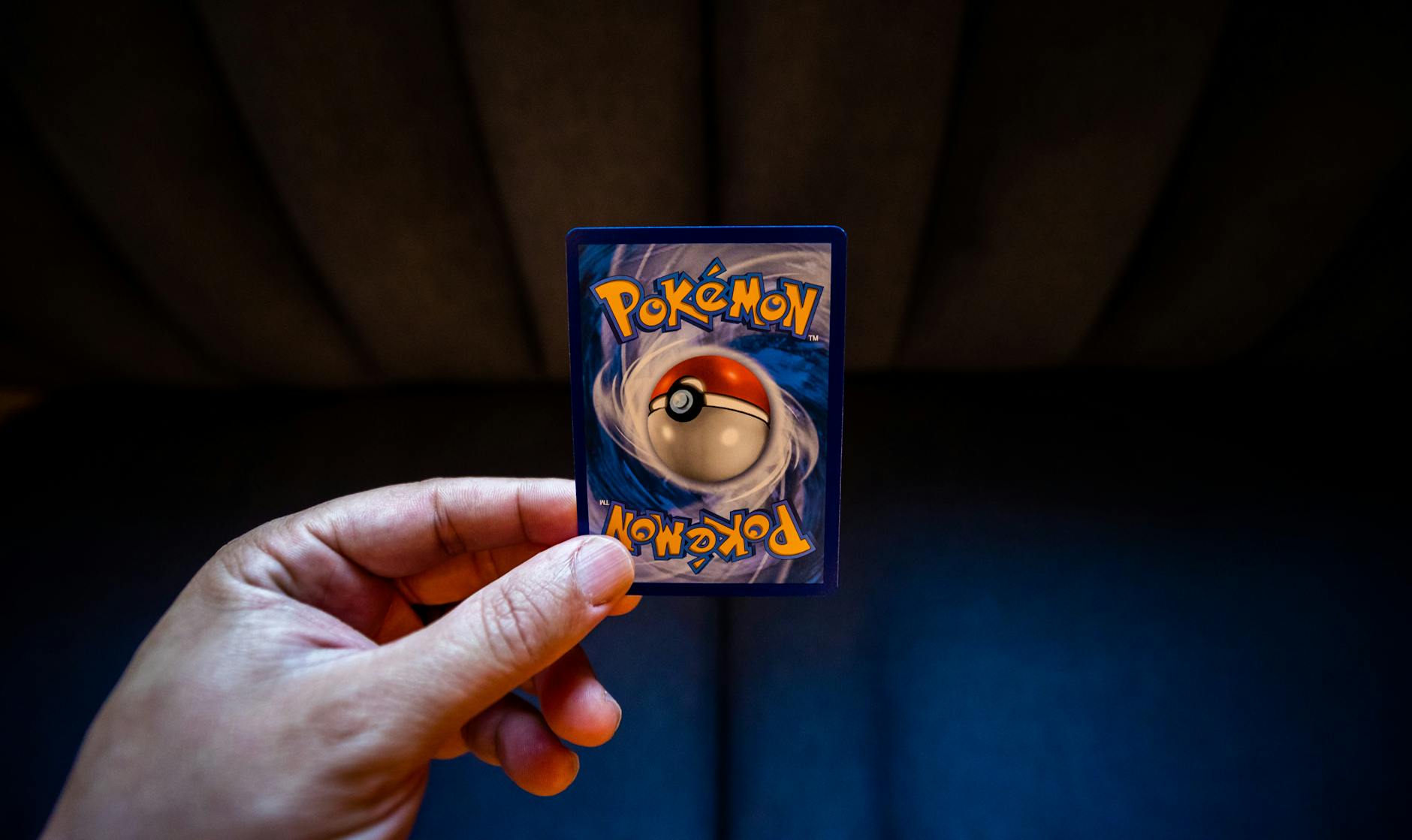
- **Back damage**: Whitening on the blue Pokeball back pattern equally affects grade
Print Run Variations and Their Effect on PSA 2 Charizard Pricing
The Base Set Charizard exists in multiple print variations that carry different values even at the PSA 2 grade level. The 1st Edition Base Set, identifiable by the small “Edition 1” stamp on the left side of the card, represents the most valuable version at any grade. Shadowless cards, printed shortly after 1st Edition but before the shadow was added behind the artwork frame, occupy the middle tier. Unlimited printings with the shadow effect make up the vast majority of surviving cards and trade at the lowest prices.
These distinctions persist across all grades, including PSA 2. A PSA 2 1st Edition Charizard typically sells for $800-1,500, representing a massive premium over the $150-350 range for unlimited versions in the same condition. Shadowless PSA 2 examples fall between these points, usually trading for $400-700 depending on market conditions. The premium for these earlier print runs reflects their scarcity rather than any difference in the actual card’s condition. Collectors considering PSA 2 Charizards should verify which print run they’re examining, as misidentification can lead to significant overpayment or missed opportunities.
- **1st Edition**: Approximately 10x the value of unlimited at PSA 2
- **Shadowless**: Approximately 2-3x the value of unlimited at PSA 2
- **Unlimited**: Most common and affordable option for budget collectors
- **Base Set 2**: Not technically Base Set; trades at modest discount to unlimited
How to Prepare
- **Research recent completed sales** by searching sold listings on eBay, checking PWCC marketplace archives, and reviewing PSA’s APR (Auction Prices Realized) database. Focus on sales from the past 30-60 days for current market accuracy, and note specific defect descriptions to compare with your card or target purchase.
- **Examine the card carefully** under multiple lighting conditions if purchasing in person or request detailed photos showing the holofoil at various angles. Surface scratches may only appear under certain lighting, and sellers sometimes photograph cards to minimize visible defects. Ask for images under direct light that would reveal scratch patterns.
- **Verify the PSA case authenticity** by checking the certification number on PSA’s website. Counterfeit cases exist in the market, particularly for valuable cards. The PSA cert verification tool confirms the card matches the assigned grade and provides population data showing how many examples exist at each grade level.
- **Assess the specific defect severity** within the PSA 2 range by comparing to other graded examples. A “high-end” PSA 2 with minimal scratching and moderate whitening holds more value than a “low-end” example barely above PSA 1. This assessment requires examining multiple comparable cards to calibrate expectations.
- **Factor in all transaction costs** including shipping, insurance, platform fees, and sales tax where applicable. These costs can add 15-20% to stated prices and significantly impact the effective cost basis for collection tracking or future resale calculations.
How to Apply This
- **Set a maximum purchase price** based on research, typically aiming for the lower third of recent comparable sales when buying, and listing at the higher third when selling. The $150-350 range for unlimited PSA 2 Charizards means targeting $175-225 as a buyer and $275-325 as a seller provides reasonable starting points.
- **Use multiple platforms** for buying or selling to access different buyer pools. eBay offers the largest audience but charges significant fees. Reddit’s Pokemon card trading communities, Facebook groups, and dedicated forums often yield better prices for both parties due to reduced intermediary costs.
- **Negotiate based on specific defects** rather than accepting listed prices as fixed. Point to particular scratches or whitening severity when making offers below asking price. Conversely, highlight any positive attributes like clean holofoil areas or sharp logos when justifying higher prices as a seller.
- **Document transactions thoroughly** with photographs, receipts, and communication records. This documentation protects against disputes and establishes provenance for future sales. Include the PSA certification number in all records for easy verification.
Expert Tips
- **Look for “cracked case” opportunities** where collectors are selling PSA 2 Charizards with damaged holders at discounts. Reholdering costs about $30 with PSA and doesn’t affect grade, potentially yielding savings of $50-100 on purchases.
- **Consider population reports** when evaluating scarcity. PSA has graded over 50,000 Base Set Charizards total, with approximately 3,500 at PSA 2. This represents about 7% of the graded population, making them uncommon but not rare within authenticated examples.
- **Watch for grade bumps** in BGS or CGC crossovers. Some PSA 2 cards have received higher grades when submitted to other grading companies due to different standards, though this cuts both ways and involves risk.
- **Buy the card, not the grade** by carefully examining photos. Two PSA 2 Charizards can look dramatically different, and finding a visually appealing example at the same price as a heavily damaged one represents real value.
- **Factor holding period into decisions** since low-grade vintage cards tend to appreciate more slowly than high grades during market upswings but also depreciate less during downturns. PSA 2 Charizards represent relatively stable holdings compared to the volatility of PSA 9-10 examples.
Conclusion
The value of a Charizard Base Set PSA 2 with surface scratches and whitening reflects the intersection of iconic status, authenticated condition, and market dynamics. At $150-350 for unlimited printings, these cards offer genuine entry points into vintage Pokemon collecting without requiring the substantial budgets needed for higher grades. Understanding how surface scratches and whitening specifically affect value within this grade range allows collectors to identify better deals and fairly price their own cards for sale.
The key lies in evaluating each card individually rather than treating all PSA 2 examples as equivalent. Moving forward, collectors interested in PSA 2 Charizards should monitor completed sales regularly, as the market continues evolving with renewed interest in vintage Pokemon cards. Taking time to examine specific defects, verify authenticity, and compare multiple options before purchasing leads to better outcomes than impulse buying based on grade alone. Whether building a complete Base Set collection, seeking affordable display pieces, or holding for potential appreciation, PSA 2 Charizards with surface scratches and whitening serve legitimate collecting purposes at accessible price points.
Frequently Asked Questions
How long does it typically take to see results?
Results vary depending on individual circumstances, but most people begin to see meaningful progress within 4-8 weeks of consistent effort. Patience and persistence are key factors in achieving lasting outcomes.
Is this approach suitable for beginners?
Yes, this approach works well for beginners when implemented gradually. Starting with the fundamentals and building up over time leads to better long-term results than trying to do everything at once.
What are the most common mistakes to avoid?
The most common mistakes include rushing the process, skipping foundational steps, and failing to track progress. Taking a methodical approach and learning from both successes and setbacks leads to better outcomes.
How can I measure my progress effectively?
Set specific, measurable goals at the outset and track relevant metrics regularly. Keep a journal or log to document your journey, and periodically review your progress against your initial objectives.
When should I seek professional help?
Consider consulting a professional if you encounter persistent challenges, need specialized expertise, or want to accelerate your progress. Professional guidance can provide valuable insights and help you avoid costly mistakes.
What resources do you recommend for further learning?
Look for reputable sources in the field, including industry publications, expert blogs, and educational courses. Joining communities of practitioners can also provide valuable peer support and knowledge sharing.