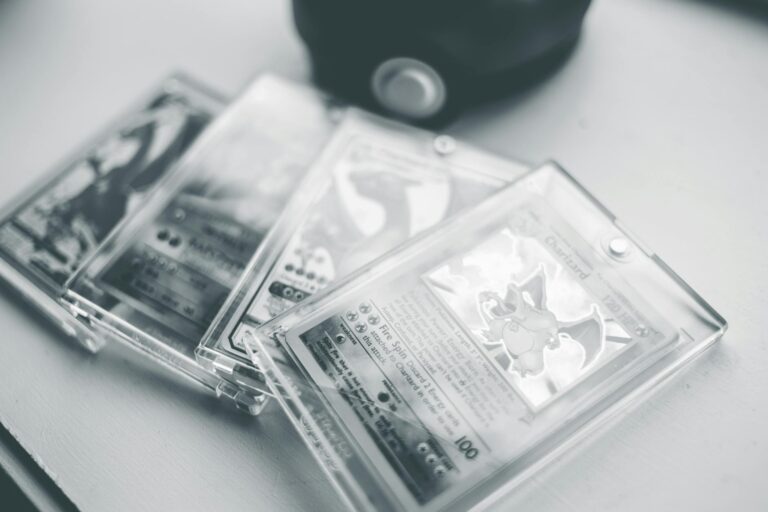
The 1999-2000 Two-Player Starter Deck for the Pokemon Trading Card Game holds a collector value that typically ranges from about 20 dollars to over 200 dollars today, depending on its condition, whether the cards inside have any rare errors, and if it comes sealed in its original box with the CD-ROM bundle. This deck was a special beginner product released by Wizards of the Coast during the late 1990s Pokemon boom, designed to let two kids jump right into battling without buying single packs.
Picture this: it’s the tail end of 1999, heading into 2000, and Pokemon fever is everywhere. Kids are trading cards at school, watching the anime, and playing the Game Boy games. Wizards of the Coast, the company handling the TCG in North America back then, wanted an easy way for new players to start. So they made the 1999-2000 Two-Player Starter Deck, also called the 2-Player CD-ROM Starter Set. It came in a big box with two pre-built 60-card decks, one for each player, plus a CD-ROM that had tutorial software to teach the rules on a computer. The decks used cards from the Base Set 2 expansion, which were reprints of the original Base Set but printed later with some tweaks.
Opening the box, you’d find two stacks of cards split into a “red deck” and a “blue deck,” each ready to play out of the gate. The red deck focused on fire-types like Charmeleon as its main attacker, with support from Growlithe, Ponyta, and commons like Magikarp or Rattata. The blue deck leaned on water and fighting types, starring Wartortle, with Hitmonchan, Squirtle evolutions, and fillers like Staryu. There were no ultra-rares like the shiny holos from booster packs, but each deck had a couple of decent holos like a holo Venusaur or Blastoise in some versions, plus energy cards, trainer cards like Bill or Switch, and basics to evolve quickly. Importantly, these were unlimited print run cards, meaning no “1st Edition” stamp in the corner, which keeps values lower than the super early stuff.
What makes this deck stand out for collectors isn’t just the nostalgia—it’s the hidden errors tucked inside some copies. Not every deck has them, but certain print runs from these 2-Player sets included misprinted cards that savvy hunters love. Take the Machamp card, for example. This deck sometimes packed a reprint of the unlimited Machamp holo from Base Set, but with printing glitches. One version had dots or smudges over the text, like a tiny black spot on the “h” in “Scratch,” another over “Mit” in the artist’s name Mitsuhiro Aizawa, and a third near the “50 HP” box. These are called “dot errors” and they pop up specifically in 2-Player CD-ROM Starter Set decks.[4] Another error shows up on Diglett: the energy symbol for its “Dig” attack is rotated 90 degrees the wrong way, like it’s tilted sideways instead of upright. This rotated energy symbol error came from a specific batch of unlimited 2-Player Starter Set boxes.[4]
Then there’s the dark gold border issue. Some non-holo rares, uncommons, and commons from shadowless print runs in these decks got borders that printed way too dark, almost black-gold instead of the normal light gold. Shadowless means no shadow around the card art, a transitional print style between 1st Edition and full unlimited. Finding one of these in a 2-Player deck adds a quirky chase element.[4] Other minor errors floated around Base Set 2 cards in general, like Vulpix showing “HP 50” instead of “50 HP,” though that got fixed later.[4] Or Rocket’s Minefield Gym heroes missing rules text on damage counters in early prints.[4] These flaws don’t make the cards unplayable, but error collectors pay extra because they’re one-of-a-kind mistakes from the factory.
Now, let’s talk real money. A sealed, untouched 1999-2000 Two-Player Starter Deck in good box condition sells for 20 to 50 dollars on average at places like eBay or TCGPlayer. If the box is beat up or missing the CD-ROM insert, it drops to 10 to 30 dollars. But crack it open, and value shifts to the cards inside. A played-through deck with average wear might fetch 5 to 15 dollars total, since Base Set 2 commons and uncommons are dirt cheap—think a buck or two for the whole pile. The holos bump it up: a near-mint holo Wartortle or similar might go for 5 to 10 dollars each.
The real jackpot is error cards. That unlimited Machamp reprint with dot errors from a 2-Player deck? Ungraded copies in light play condition have sold for around 20 dollars recently, but graded ones explode. A PSA 8 (near mint) Machamp from Base Set goes for 85 dollars, PSA 9 for 190 dollars, and PSA 10 Gem Mint hits 1,925 dollars as of late 2025 sales data.[2] Not every 2-Player Machamp has the dots, but when it does, buyers pay a premium, sometimes 20 to 50 percent more than standard unlimited versions. A CGC 9.5 shadowless Machamp sold for 1,750 dollars in 2024, and even lower grades like BGS 2.5 from 1999 prints hit 12 to 22 dollars.[2] Pikachu #58 from Base Set, which could appear in these decks (yellow cheeks version), is super common but still values from 2 dollars ungraded to 220 dollars for a pristine CGC 10.[3] Grades climb steadily: PSA 4 at 13 dollars, up to 72 dollars for 9.5.[3]
Condition is king here. Pokemon grading companies like PSA or BGS slap scores from 1 to 10 on cards based on centering, corners, edges, and surface. A raw deck from 1999-2000 often has fuzzy cuts—not sliced perfectly square—leaving little marks or double crimps from the pack assembly.[4] That knocks down grades, but pristine pulls from sealed decks can gem mint. Sealed decks hold steady value because nostalgia drives demand; adults who grew up with Pokemon buy them for their kids or to relive memories.
Why does this deck matter beyond cash? It captures a pure moment in Pokemon history. Base Set 2 came out in 1999 after the original Base Set sold out factories worldwide. Wizards bundled these starters with a CD-ROM because not every kid had friends with cards yet—the software walked you through turns, damage, and evolutions on a Windows PC. It even had voiceovers and animations. Today, that CD is a relic; most don’t work on modern computers without emulators, but it adds authenticity to complete sets.
Market trends show steady climbs. Pokemon TCG exploded again with Scarlet & Violet sets in 2023-2025, pushing vintage prices up 10-20 percent yearl