Slowpoke evolves into either Slowbro or Slowking through a branched evolution system, meaning you must choose one path or the other for each individual Slowpoke. The standard Kantonian Slowpoke evolves into Slowbro at level 37 with no items required, or into Slowking when traded while holding a King’s Rock. This branching mechanic has been part of Slowpoke’s identity since Generation II introduced Slowking in 1999, giving trainers and collectors two distinct evolutionary options from the same base Pokémon.
For example, if you’re playing through a main series game and simply level your Slowpoke to 37, it will automatically become Slowbro. However, if you want Slowking instead, you’ll need to acquire a King’s Rock, have your Slowpoke hold it, and then trade with another player. Once evolved, there’s no going back”a Slowbro cannot become a Slowking or vice versa. This article covers not only the original Slowpoke evolution methods but also the Galarian variants introduced in Pokémon Sword and Shield, the evolution requirements in Pokémon GO, and how these different forms have influenced the Pokémon Trading Card Game market.
Table of Contents
- How Does Slowpoke Evolve in the Main Series Games?
- Galarian Slowpoke and Its Unique Evolution Requirements
- Evolution Methods in Pokémon GO
- Comparing Slowbro and Slowking: Which Evolution Should You Choose?
- Common Mistakes When Evolving Slowpoke
- Slowpoke Evolution in the Trading Card Game
- The Future of Slowpoke’s Evolutionary Line
- Conclusion
How Does Slowpoke Evolve in the Main Series Games?
Slowpoke, Pokémon #079 in the National Pokédex, has maintained its core evolution mechanics since Generation I debuted in 1996. As a Water/Psychic-type Pokémon, Slowpoke was originally limited to evolving only into Slowbro. The level 37 threshold for this evolution remains consistent across virtually all main series titles, making it one of the more predictable evolution requirements in the franchise. The introduction of Slowking in Generation II added complexity to Slowpoke’s evolutionary line.
The King’s Rock trade evolution created a barrier that required both an item and cooperation with another player”or access to a second system. This design choice reflected Game Freak’s ongoing efforts to encourage social interaction among players, though it has always been a point of frustration for solo collectors who want to complete their Pokédex without trading. One limitation worth noting: unlike some item-based evolutions that can be triggered at any time, the King’s Rock evolution specifically requires a trade. Simply giving Slowpoke the King’s Rock and leveling it up will not produce a Slowking. This distinction trips up new players regularly, so understanding the trade requirement is essential before planning your team composition.

Galarian Slowpoke and Its Unique Evolution Requirements
Galarian Slowpoke arrived via a free update to Pokémon Sword and Shield on January 9, 2020, bringing a fresh take on this classic Pokémon. Unlike its Kantonian counterpart, Galarian Slowpoke is a pure Psychic-type rather than Water/Psychic, fundamentally changing its battle utility and type matchups. The evolution methods for Galarian Slowpoke differ substantially from the original. Galarian Slowbro requires a Galarica Cuff, crafted by collecting 8 Galarica Twigs and giving them to a specific NPC.
Galarian Slowking demands a Galarica Wreath, which requires 15 Galarica Twigs. Both evolved forms become Poison/Psychic-types, creating an entirely different competitive niche compared to their Kantonian relatives. However, if you’re playing Pokémon Scarlet and Violet with The Indigo Disk DLC, be aware that the item crafting locations are different. The Galarica Cuff NPC is located in Coastal Plaza, while the Galarica Wreath NPC is in Mossui Town. Players who rush through the DLC without noting these locations often find themselves backtracking across the map, so it’s worth marking these spots early if you’re planning Galarian evolutions.
Evolution Methods in Pokémon GO
Pokémon GO simplifies the evolution process while maintaining the branched structure. Slowpoke evolves into Slowbro for 50 Slowpoke Candy with no additional requirements”a straightforward conversion that most players can achieve relatively quickly given Slowpoke’s common spawn rate in water-adjacent areas. Evolving into Slowking in Pokémon GO requires those same 50 Slowpoke Candy plus one King’s Rock.
This mirrors the main series requirement in spirit, though the implementation differs since trades work differently in the mobile game. King’s Rocks drop from PokéStops and as research rewards, but their random nature means some players accumulate dozens while others go months without seeing one. Galarian Slowpoke in Pokémon GO follows similar candy requirements with the respective evolution items. The key practical difference is that unlike the main series games where you can farm Galarica Twigs, Pokémon GO’s evolution items come through the game’s reward systems, giving players less direct control over when they can evolve their regional variants.
Comparing Slowbro and Slowking: Which Evolution Should You Choose?
From a pure stats perspective, Slowbro and Slowking have identical base stat totals but distribute them differently. Slowbro favors physical Defense (110 base) while Slowking emphasizes Special Defense (110 base). For competitive battlers, this distinction matters significantly depending on team composition and expected threats. In terms of card collecting, the choice between Slowbro and Slowking cards often comes down to artwork preference and set rarity rather than in-game utility.
Slowking cards have historically commanded slightly higher prices in certain sets, partly due to the perception that Slowking is harder to obtain in the games. The infamous “Slowking” card from Neo Genesis, which had a mistranslated ability that briefly broke tournament play, remains a collector’s talking point decades later. The tradeoff for collectors pursuing complete evolutionary lines is that you’ll need multiple Slowpoke specimens”whether in games or as cards”to represent both branches. Unlike linear evolutions where one Pokémon becomes another in a predictable chain, branched evolutions demand more resources for complete documentation.
Common Mistakes When Evolving Slowpoke
The most frequent error players make is assuming the King’s Rock works like other held item evolutions. Items like the Metal Coat for Scizor or the Dragon Scale for Kingdra also require trades, but players who only casually engage with evolution mechanics often forget this requirement. Attempting to level up a King’s Rock-holding Slowpoke expecting a Slowking will only result in a level 37 Slowbro and a wasted opportunity. Another pitfall involves Galarian Slowpoke in Sword and Shield.
Players who catch Galarian Slowpoke early in the game cannot evolve it until they’ve purchased and progressed through the Isle of Armor or Crown Tundra DLC content, where Galarica Twigs become available. This creates a situation where Galarian Slowpoke sits in your party or boxes, unable to reach its full potential until you access paid content. A warning for competitive players: Galarian Slowbro and Galarian Slowking occupy completely different roles than their Kantonian counterparts due to the Poison/Psychic typing. Assuming you can substitute one for the other in battle strategies will likely result in poor team performance, as their defensive profiles and weaknesses differ dramatically.
Slowpoke Evolution in the Trading Card Game
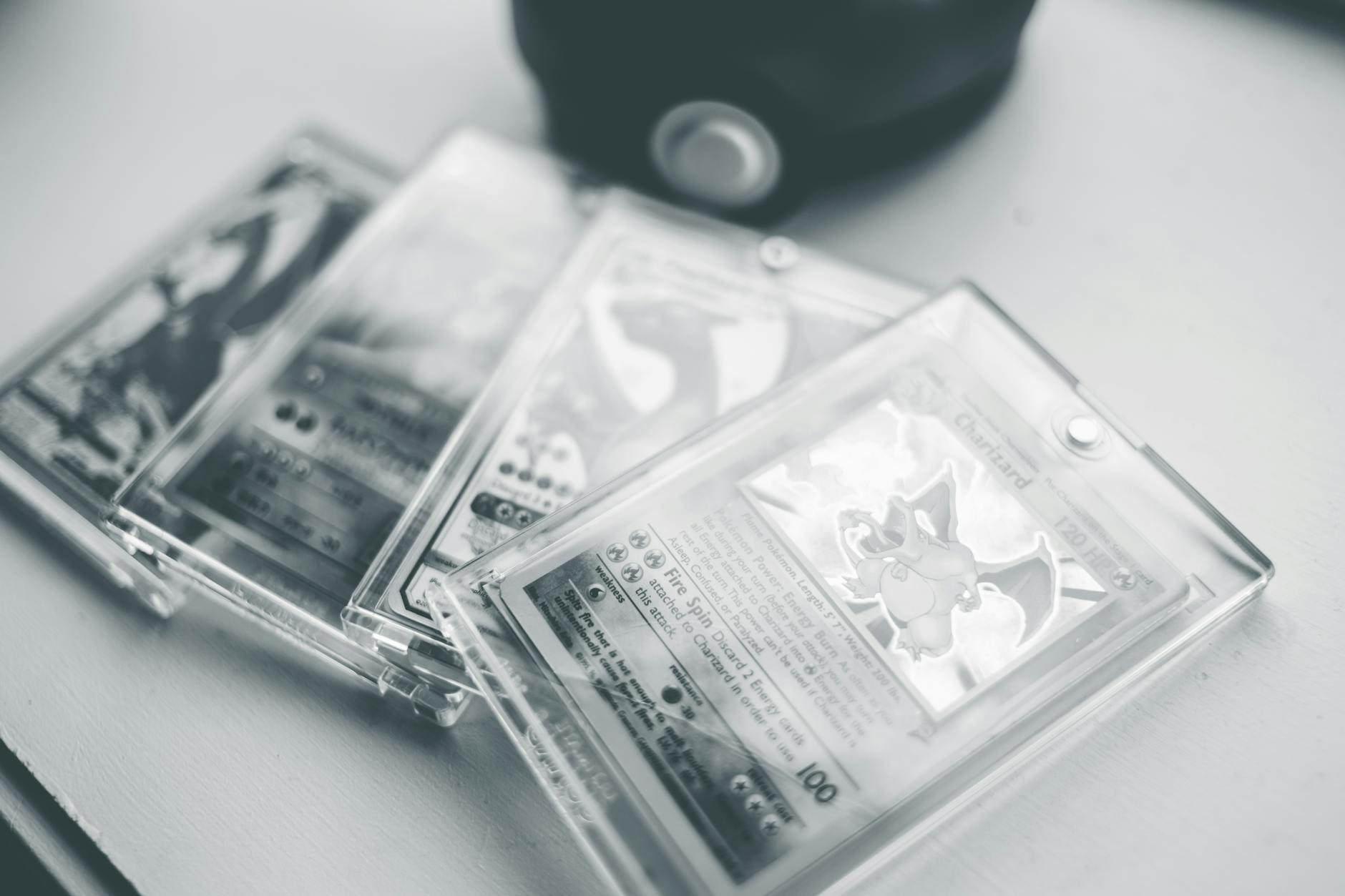
The Pokémon TCG has featured Slowpoke, Slowbro, and Slowking across dozens of sets since the game’s inception. Evolution cards in the TCG function differently than in the video games”you simply play the evolution card on top of the basic Slowpoke card after it’s been in play for a turn, regardless of items or levels.
For collectors, this means tracking Slowpoke cards across multiple sets and eras. Notable examples include the Base Set Slowpoke, various Slowbro cards with the “Mega Evolution” mechanic from the XY era, and Galarian variants introduced in Sword and Shield expansion sets. Each variant represents a different artistic interpretation and gameplay function, making complete Slowpoke evolution line collections a substantial undertaking.
The Future of Slowpoke’s Evolutionary Line
Regional variants have become a staple of modern Pokémon game design, raising the question of whether future generations might introduce additional Slowpoke forms. The success of Galarian Slowpoke”both in player reception and merchandise sales”suggests The Pokémon Company sees value in revisiting classic Pokémon with new regional twists.
For card collectors and investors, this trend means Slowpoke’s evolution line may continue expanding, potentially affecting the relative value of existing cards as new versions enter the market. Staying informed about game announcements and set releases remains the best strategy for collectors who want to anticipate which Slowpoke-related cards might see increased interest.
Conclusion
Slowpoke’s evolution into Slowbro or Slowking represents one of the franchise’s earliest branched evolution systems, offering players meaningful choices about how to develop their Pokémon. Whether you’re leveling to 37 for Slowbro, trading with a King’s Rock for Slowking, or hunting Galarica Twigs for the Galarian forms, understanding these mechanics helps both players and collectors make informed decisions.
For TCG collectors specifically, the multiple evolution paths mean more cards to track across sets and more opportunities to build thematic collections. Keep the specific evolution requirements in mind when evaluating cards or planning game strategies, and remember that each branch offers distinct advantages depending on your goals.