Rhyhorn evolves into Rhydon at Level 42, and Rhydon can then evolve into Rhyperior when traded while holding a Protector item. This three-stage evolution line represents one of the more interesting cases in the Pokémon franchise, as Rhydon existed without a further evolution for nearly a decade before Rhyperior was introduced in Generation IV’s Diamond and Pearl games. For collectors, this means Rhyhorn cards span multiple eras and evolution mechanics, with early sets featuring only the two-stage line and later sets incorporating the full trio.
The Rhyhorn family maintains its Ground/Rock typing throughout all three evolutionary stages, which is somewhat unusual since many Pokémon change or add types as they evolve. This consistency makes the line straightforward for deck building in the TCG, where type synergy matters for energy attachments and weakness calculations. Throughout this article, we’ll examine the specific evolution requirements across different games, what this means for card collectors tracking the evolution line, and how the addition of Rhyperior changed the value dynamics of older Rhydon cards.
Table of Contents
- How Does Rhyhorn Evolve in the Main Series Games?
- Understanding Rhyhorn’s Evolution in Pokémon GO
- Collecting the Complete Rhyhorn Evolution Line
- Common Challenges When Evolving Rhyhorn
- Type Advantages of the Ground/Rock Evolution Line
- Future Outlook for Rhyhorn Family Cards
- Conclusion
How Does Rhyhorn Evolve in the Main Series Games?
In the core Pokémon video games, Rhyhorn (#111 in the National Pokédex) evolves into Rhydon (#112) upon reaching Level 42. This is a standard level-based evolution that requires no special items, locations, or conditions beyond simply training your Rhyhorn through battles or experience-sharing mechanics. For context, Level 42 places this evolution in the mid-to-late game for most players, roughly comparable to when many trainers are challenging their sixth or seventh gym. The evolution from Rhydon to Rhyperior (#464) works differently and requires a trade evolution while Rhydon holds the Protector item.
This means you cannot complete the evolution line without either trading with another player or using a second device and game copy. The Protector is typically found as a late-game item in most titles where Rhyperior is available, and it’s consumed during the trade evolution process. This two-method evolution system creates an important distinction for collectors: Rhyhorn and Rhydon cards appeared from the very beginning of the TCG in 1996, while Rhyperior cards only became possible after Generation IV launched in 2006. Any set released before Diamond and Pearl will naturally cap the evolution line at Rhydon.
Understanding Rhyhorn’s Evolution in Pokémon GO
Pokémon GO uses a candy-based evolution system that differs significantly from the main series games. Evolving Rhyhorn into Rhydon requires 25 Rhyhorn Candy, which can be obtained by catching Rhyhorn, transferring duplicate Rhyhorn to Professor Willow, walking with Rhyhorn as your buddy, or using Pinap Berries during catches to double candy rewards. Community Day events featuring Rhyhorn have historically made this candy accumulation much easier. The Rhydon to Rhyperior evolution in Pokémon GO requires 100 Candy plus a Sinnoh Stone, which is a special evolution item introduced when Generation IV Pokémon were added to the mobile game. Sinnoh Stones are obtained through Research Breakthroughs, PvP battles, and Team Rocket leader defeats, but they’re not guaranteed drops. This creates a potential bottleneck for players who want to evolve multiple Rhydon or who are saving their limited Sinnoh Stones for other eligible Pokémon like Electivire or Togekiss. However, if you’re playing Pokémon GO primarily to collect for trade or transfer purposes, be aware that Rhyperior’s value in the mobile game depends heavily on whether it knows the Community Day exclusive move Rock Wrecker. A Rhyperior without this move is significantly less desirable for raid and PvP purposes, which may affect trade values if you’re engaging with other players.
## The Significance of Rhyperior’s Generation IV Introduction When Pokémon Diamond and Pearl released in 2006, Rhyperior joined several other new evolutions for existing Pokémon, including Magmortar, Electivire, and Dusknoir. This was notable because Rhydon had been one of the original 151 Pokémon, existing since 1996 without any evolutionary relatives beyond its pre-evolution Rhyhorn. Game Freak’s decision to add third-stage evolutions to established fan favorites created renewed interest in these older lines. For card collectors, this timing matters considerably. Base Set and early expansion Rhydon cards were printed as final-stage evolutions, meaning they occupied a different competitive and collecting niche than they do today. A Base Set Rhydon was the apex of its line; a modern Rhydon card is a middle-stage stepping stone. This contextual shift doesn’t change the cards themselves, but it does influence how players and collectors perceive them. The addition of Rhyperior also meant that TCG sets from Diamond and Pearl onward could feature the complete three-stage line. Cards like Rhyperior LV.X from Legends Awakened and various Rhyperior-GX and Rhyperior V cards became possible, expanding the collectible options for fans of this Ground/Rock type family.
Collecting the Complete Rhyhorn Evolution Line
Building a complete collection of the Rhyhorn evolution line requires sourcing cards across multiple decades of TCG releases. The original Rhyhorn and Rhydon cards from the 1999 Base Set remain popular among vintage collectors, with first edition shadowless copies commanding the highest prices. However, common unlimited versions are readily available and affordable for casual collectors building type-themed binders. The tradeoff between vintage and modern versions comes down to your collecting goals.
Vintage Rhydon cards carry nostalgia and historical significance as former final-stage evolutions, but they lack the mechanical updates and artwork variety found in contemporary sets. Modern Rhyperior cards, particularly full-art or alternate-art variants, often feature more dynamic illustrations but won’t have the same long-term provenance as cards from the game’s earliest years. Japanese cards offer another avenue for collectors, as some promotional Rhyhorn family cards were never released in English. The reverse is rarely true, but regional exclusives and different artwork between Japanese and international printings can add depth to a comprehensive collection.

Common Challenges When Evolving Rhyhorn
The Level 42 evolution requirement for Rhyhorn to Rhydon is straightforward enough, but many players underestimate how long this takes compared to lower-level evolutions. Rhyhorn is available relatively early in several games—including as a Safari Zone encounter in the original Red and Blue—but reaching Level 42 with a Pokémon that has middling Speed and no experience-boosting abilities requires patience. Players rushing through the main story may find their Rhyhorn lagging behind their other team members. The Protector trade requirement for Rhyperior presents a more significant barrier.
Players without access to trading partners or multiple systems simply cannot evolve Rhydon in the traditional games. While Pokémon HOME and various online trading communities have made finding trade partners easier, this remains a limitation for solo players or those in regions with smaller player bases. Additionally, in games where the Protector is a limited item, evolving multiple Rhydon into Rhyperior becomes resource-intensive. Competitive players who want several Rhyperior with different natures or movesets may need to farm the item through post-game content or trade for additional copies.
Type Advantages of the Ground/Rock Evolution Line
The Ground/Rock type combination shared by Rhyhorn, Rhydon, and Rhyperior provides strong offensive coverage but comes with notable defensive vulnerabilities. This typing grants immunity to Electric-type moves and resistance to Normal, Flying, Poison, Rock, and Fire attacks. In the TCG, this translates to cards that typically deal with Fighting-type energy and have weaknesses to Grass or Water.
For example, a Rhyperior card weak to Grass-types would struggle in formats dominated by Pokémon like Venusaur VMAX or Leafeon VSTAR. Collectors building playable decks around this evolution line should account for the meta-game when selecting which era’s cards to acquire. A powerful Rhyperior-GX loses practical value if the current competitive environment is flooded with its natural counters.
Future Outlook for Rhyhorn Family Cards
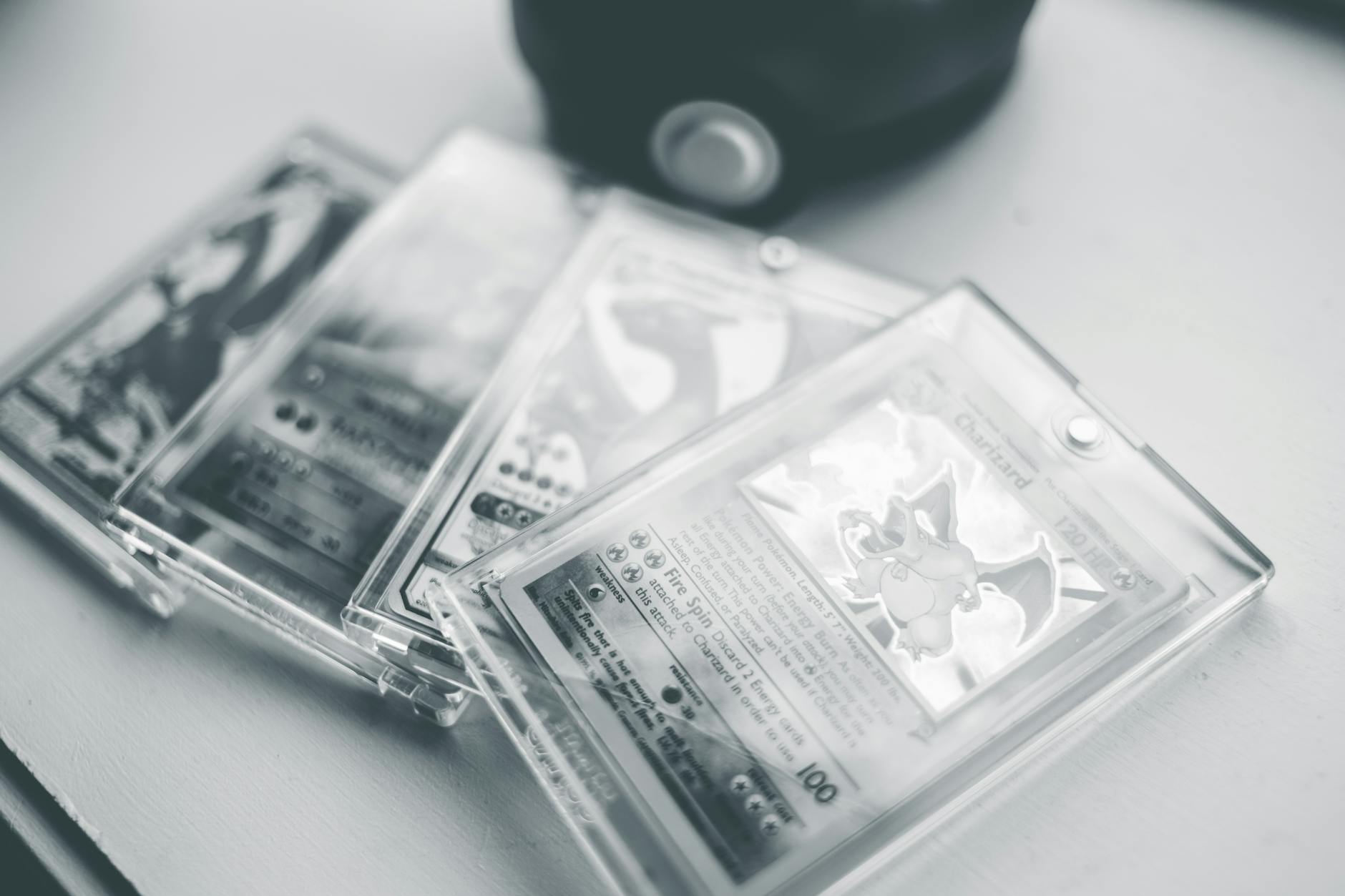
The Rhyhorn evolution line has remained consistently present in new TCG sets, suggesting The Pokémon Company views this family as a reliable inclusion rather than a forgotten relic. Each new game generation typically brings at least one new Rhyhorn or Rhyperior card, whether as a common filler or a featured rare.
The Scarlet and Violet era has continued this trend, ensuring fresh collectible options for fans of the line. From an investment perspective, the Rhyhorn family occupies middle ground—popular enough to maintain steady interest but not iconic enough to see explosive price growth outside exceptional printings. Collectors focusing on this line should prioritize condition and specific sought-after variants rather than speculating on future appreciation of common cards.
Conclusion
The Rhyhorn evolution line progresses from Rhyhorn to Rhydon at Level 42, then to Rhyperior via trade while holding a Protector item. This three-stage family spans from Generation I’s original 151 Pokémon to Generation IV’s expanded evolutions, giving collectors cards that represent over two decades of TCG history.
The Ground/Rock typing remains constant throughout, providing consistency for both gameplay and collection organization. For those building a Rhyhorn family collection, the key considerations are balancing vintage appeal against modern card design, accounting for the Pokémon GO evolution requirements if you’re also a mobile player, and recognizing that trade-evolution mechanics affect availability in certain games. Whether you’re hunting down a Base Set Rhydon for nostalgia or chasing the latest Rhyperior alternate art, understanding this evolution line’s history helps inform smarter collecting decisions.