Eevee evolves into eight different Pokémon, making it the species with the most evolutionary forms in the entire franchise. These eight evolutions”Vaporeon, Jolteon, Flareon, Espeon, Umbreon, Leafeon, Glaceon, and Sylveon”span across multiple types including Water, Electric, Fire, Psychic, Dark, Grass, Ice, and Fairy. The fan community affectionately calls this family of evolutions “Eeveelutions,” a term that has become standard vocabulary among collectors and players alike.
The original three Eeveelutions debuted in Generation I with Pokémon Red and Blue in 1996, while the most recent addition, Sylveon, arrived with Generation VI in 2013. For card collectors, this twenty-seven-year span means Eeveelution cards exist across virtually every era of the Pokémon Trading Card Game, from Base Set to modern Scarlet and Violet releases. A collector focusing on Umbreon alone, for example, would need to track down cards from Gold and Silver-era sets through contemporary premium collections. This article breaks down each evolution method across both the main series games and Pokémon GO, examines which Eeveelutions perform best competitively, and explores what this evolutionary family means for TCG collectors building themed collections.
Table of Contents
- How Does Eevee Evolve Into Its Eight Different Forms?
- The Complete Eeveelution Timeline: From Kanto to Kalos
- Evolving Eevee in Pokémon GO: Methods and Limitations
- Which Eeveelutions Dominate Competitive Play in 2026?
- Eeveelutions in the Pokémon Trading Card Game
- Will There Be a Ninth Eeveelution?
- Conclusion
How Does Eevee Evolve Into Its Eight Different Forms?
Eevee’s evolution mechanics have changed significantly since 1996, with each new generation introducing different methods to obtain specific forms. The original trio”Vaporeon, Jolteon, and Flareon”use the straightforward evolutionary stone method. A Water Stone transforms Eevee into Vaporeon, a Thunder Stone yields Jolteon, and a Fire Stone produces Flareon. This simplicity made these three evolutions accessible to players from the very beginning of the franchise. Generation II complicated matters by introducing friendship-based evolution tied to the in-game clock.
Espeon requires leveling up Eevee with high friendship during daytime hours, while Umbreon demands the same conditions at night. This mechanic created genuine gameplay challenges, as players needed to monitor both their friendship levels and real-world time. Missing the window meant accidentally evolving into the wrong form”a frustration many longtime players remember well. Leafeon and Glaceon originally required proximity to specific environmental objects (Moss Rock and Ice Rock respectively), but Generation VIII streamlined this by allowing Leaf Stone and Ice Stone evolution. Sylveon adds another layer: Eevee must have high friendship of at least 160 points while knowing a Fairy-type move. Without that Fairy move in its moveset, a friendly Eevee will become Espeon or Umbreon instead, catching unprepared trainers off guard.
The Complete Eeveelution Timeline: From Kanto to Kalos
The three original Eeveelutions represented the elemental triangle that defined early Pokémon”Water, Fire, and Electric types that complemented the starter Pokémon available in Red and Blue. Vaporeon, Jolteon, and Flareon each offered a powerful single-stage evolution that could compete with fully-evolved starters, making Eevee a prized find on Route 25 outside Celadon City. generation II’s 1999 release brought Espeon and Umbreon, introducing the Psychic and the brand-new Dark type respectively. These additions reflected the games’ emphasis on the day-night cycle and the expanded type chart.
Umbreon in particular filled an important niche as an accessible Dark-type when the category was still new. However, the friendship requirement meant players couldn’t simply stone-evolve their way to these forms”building that bond took genuine playtime. The seven-year gap before Generation IV brought Leafeon and Glaceon in 2006, while another seven years passed before Sylveon debuted alongside the Fairy type in 2013. No new Eeveelutions have been introduced since, leaving collectors and players to speculate about potential future additions. The existing eight cover many major types, but notable gaps remain”there is no Fighting, Ground, Rock, Ghost, Dragon, Poison, Steel, Bug, or Flying Eeveelution as of 2026.
Evolving Eevee in Pokémon GO: Methods and Limitations
Pokémon GO uses entirely different evolution mechanics than the main series, and understanding these differences matters for players trying to complete their collection. The game features a famous nickname trick: renaming Eevee to specific names before evolution guarantees a particular result. Sakura produces Espeon, Tamao yields Umbreon, and similar names exist for each evolution. The critical limitation is that this trick works exactly once per evolution per account”use it carelessly, and you cannot repeat it. After exhausting the nickname trick, Espeon and Umbreon require walking 10 kilometers with Eevee as your buddy, then evolving during day or night respectively.
The Eevee must still be your buddy when you hit the evolve button, and the game uses your local time to determine day or night status. Sylveon demands earning 70 hearts with Eevee as your buddy before the evolution option appears, making it the most time-intensive Eeveelution to obtain reliably. For Vaporeon, Jolteon, and Flareon, Pokémon GO offers no guaranteed method beyond the one-time nickname trick. Random evolution among these three frustrates collectors seeking specific forms, sometimes requiring dozens of Eevee candies to finally land the desired result. Leafeon and Glaceon, however, can be reliably obtained using special Lure Modules at PokéStops”Mossy Lure for Leafeon, Glacial Lure for Glaceon.

Which Eeveelutions Dominate Competitive Play in 2026?
Competitive viability varies dramatically among the eight Eeveelutions, and the meta has shifted considerably since each form’s introduction. Umbreon currently stands as the top-performing Eeveelution for PvP battles in Pokémon GO, particularly excelling in Great League where its bulk and Dark typing create favorable matchups. Its combination of Foul Play and Last Resort coverage moves makes it a staple on many competitive teams. Espeon fills a different role as a high-DPS Psychic-type raid attacker. While it lacks the durability for PvP success, its raw damage output makes it valuable for players organizing raid parties against Fighting or Poison-type bosses. The tradeoff is clear: Umbreon survives and grinds out wins, while Espeon hits hard but faints quickly under pressure. Glaceon deserves special mention as one of the most effective Ice-type Pokémon available in Pokémon GO. Ice typing provides crucial coverage against Dragon, Flying, Ground, and Grass types, and Glaceon delivers this at a relatively low investment cost compared to legendary alternatives. Vaporeon, once a top-tier Water attacker in the game’s early years, has fallen behind as stronger options emerged, though it remains a serviceable choice for newer players building their first raid teams.
## Common Evolution Mistakes and How to Avoid Them The friendship-based evolutions cause the most frustration for players unfamiliar with the mechanics. Evolving a high-friendship Eevee during daytime when you wanted Umbreon, or forgetting to teach a Fairy move before triggering Sylveon’s evolution, wastes both time and resources. In the main series games, saving before evolution and checking the silhouette preview can prevent these errors”the game shows which evolution will occur before you confirm. Pokémon GO players frequently burn their one-time nickname tricks without realizing the limitation. Using “Sakura” to get Espeon feels clever until you need a second Espeon and discover the trick no longer works. The safest approach is to reserve nickname evolutions for forms that lack reliable alternative methods, using buddy distance or Lure Modules when those options exist. Time zone confusion creates another common pitfall in both game versions. Umbreon and Espeon evolution depends on local time, but players traveling or using devices with incorrect time settings may trigger unexpected results. The game determines day or night based on your device’s clock in Pokémon GO and the in-game clock in main series titles”verify both before evolving if you need a specific outcome.
Eeveelutions in the Pokémon Trading Card Game
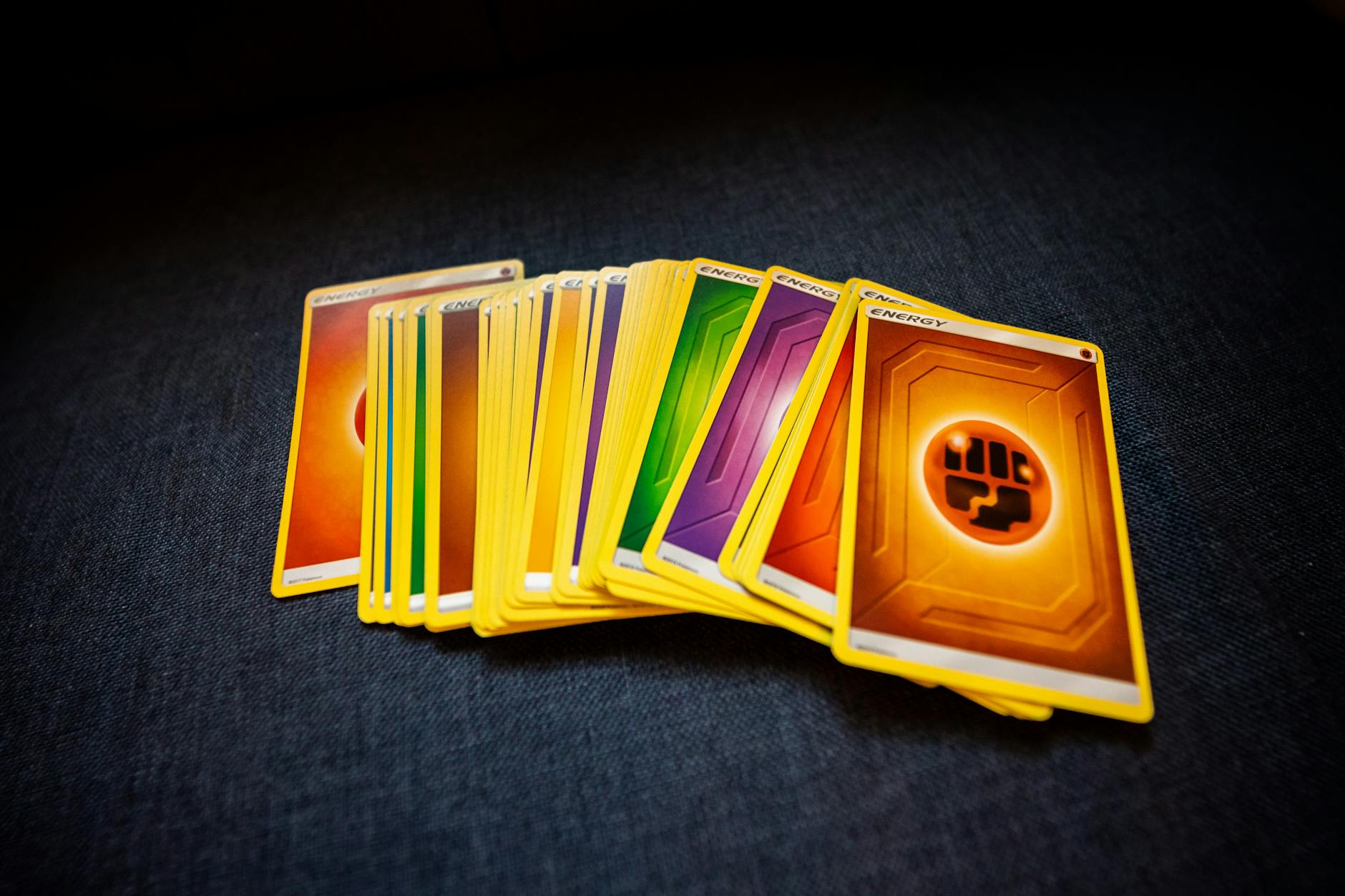
For TCG collectors, the Eeveelution family represents one of the most popular and consistently valuable collecting themes. Cards featuring these Pokémon appear in nearly every set era, from the original Jungle expansion through modern Scarlet and Violet releases. Umbreon cards in particular command premium prices, with certain vintage holos and modern alternate arts ranking among the most sought-after cards in the hobby.
The 2021 Evolving Skies expansion exemplified Eeveelution popularity, featuring alternate art cards for all eight evolutions plus Eevee itself. These cards drove unprecedented demand for the set, with sealed product prices spiking well above retail. Collectors building master sets of Eeveelution cards face the challenge of tracking releases across nearly three decades of products, from Japanese-exclusive promos to tournament prize cards.
Will There Be a Ninth Eeveelution?
Speculation about additional Eeveelutions has persisted since Sylveon’s 2013 debut, but Game Freak has not announced plans for new forms. The existing eight leave several types unrepresented”Dragon, Ghost, Steel, and Fighting being popular fan predictions. However, the company’s silence on the matter and the thirteen-year gap since the last addition suggest collectors should not factor hypothetical future evolutions into their investment decisions.
The pattern of introducing Eeveelutions alongside new type mechanics (Dark type with Umbreon, Fairy type with Sylveon) offers one potential indicator. If a future generation introduces a new type category, an accompanying Eeveelution would fit established precedent. For now, the eight existing forms provide plenty of collecting depth across multiple decades of TCG releases and game appearances.
Conclusion
Eevee’s eight evolutions span the full history of the Pokémon franchise, from the 1996 originals through 2013’s Fairy-type addition. Each evolution uses distinct methods”stones, friendship, time of day, location, or move knowledge”requiring players to understand specific mechanics rather than simply grinding levels. The Pokémon GO methods differ entirely from main series games, adding another layer of complexity for players active on both platforms.
For collectors and competitive players, understanding which Eeveelutions excel in current formats helps prioritize both gameplay resources and TCG purchases. Umbreon dominates PvP while Espeon and Glaceon serve raid-focused players well. The TCG market consistently values Eeveelution cards across all eras, making this evolutionary family a reliable focus for themed collections. Whether you are hunting specific evolutions in-game or tracking down vintage holos, the Eeveelution family offers depth that few other Pokémon can match.