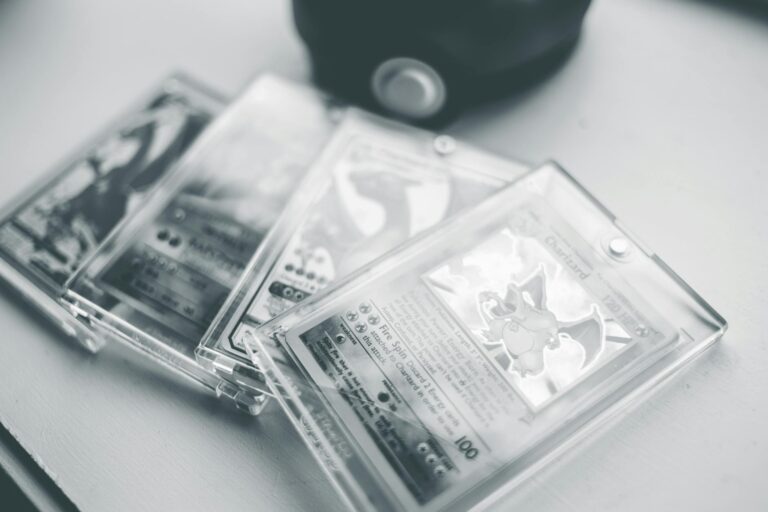
The 4th print run of the Base Set Charizard card from the Pokémon Trading Card Game uses the standard starlight holofoil pattern, which was the corrected version following earlier print errors in unlimited English Fossil holos that mistakenly had the cosmos foil pattern.[1]
Let’s dive deep into this topic, starting from the basics and building up to why that specific 4th print matters so much to collectors. Pokémon cards burst onto the scene in 1999 with the Base Set, and Charizard, the fiery dragon Pokémon as card number 4/102, quickly became the king of them all. This holo rare card shows Charizard soaring with flames bursting from its wings, artwork by Ken Sugimori that captures raw power. But what makes prints special are the tiny details in how the foil sparkles, and that’s where foil patterns come in.
Foil patterns are the shimmering backgrounds on holo cards. They catch light in unique ways, like stars twinkling or a cosmic swirl. Early prints had variations because printing presses in Japan and later in the US by Wizards of the Coast experimented with techniques. The two main ones for Base Set era are starlight, which looks like a starry night with fine sparkles, and cosmos, a bolder, galaxy-like swirl with bigger shifts in color. Starlight became the standard for most English Base Set holos, but slip-ups happened.[1][2]
Now, rewind to the print runs. Base Set had multiple waves: 1st Edition with the gold stamp, then unlimited prints without it. Unlimited prints got divided into shadowless (no drop shadow on the artwork frame) and shadowed versions. But Bulbapedia details how English Fossil set holos, printed around the same factories, goofed up. Some unlimited Fossil holos accidentally got the cosmos foil instead of starlight. This mix-up got fixed in the 4th Base Set print run, released only in the UK. That correction locked in the proper starlight pattern for Charizard and others, making earlier error versions super rare chase items.[1]
Why the UK exclusivity for the 4th print? Printing demands spiked after Pokémon fever hit. Wizards rushed more cards to Europe, and that batch used updated plates. No more cosmos bleed-over. If you hold a 4th print Charizard, the foil shifts smoothly from blue to purple to gold under light, pure starlight without the chunkier cosmos swirls that scream “error” on those Fossil misprints.[1]
Spotting a 4th print Charizard isn’t just about foil. Check the bottom: unlimited prints say “©1995, 96, 98, 99 Nintendo,” but errors like a black ink dot over the “t” in Nintendo pop up on some, including ones with micro holoshift (tiny foil glitches) or holobleed (color overflow).[1] The 4th print avoids these, clean as can be. Collectors use magnification to confirm: starlight has denser, pinpoint sparkles versus cosmos’s wavy arms.
This ties into bigger Pokémon printing history. Test prints like the Disco Holofoil Charizard prototype used wild patterns neither starlight nor cosmos, with missing text and evolutions. It fetched over $100,000 at auction, showing how foil obsesses fans. Japanese Beta Charizard stuck to cosmos, but WOTC switched to starlight for English releases.[2]
Value-wise, shadowless Charizard #4 from Base Set, often from early prints, hits thousands. PriceCharting logs PSA 10 shadowless at around $24,000, near mint ungraded over $600. But 4th print unlimited shadowed ones? Less hyped than 1st Edition, yet prized for correction purity. Errors boost value: black dot Charizard or holobleed variants trade higher among error hunters.[1][3]
Digging deeper, print runs overlapped sets. Base Set 4th print fixed Fossil cosmos issues, but Team Rocket had its own Charizard drama. Dark Charizard unlimited non-holos had black tape obstructions or red tail ink bleeds, plate errors hitting neighbors like Dark Slowbro. Gym Challenge Blaine’s Charizard swapped energy symbols, corrected late in unlimited, making fixed versions scarcer.[1]
For Charizard specifically in Base Set, the 4th print standardized foil amid chaos. Factories tweaked cyan, magenta, yellow layers—shift a color left, and foil warps. Clefairy errors showed cyan-left shifts with magenta-yellow tweaks, hinting at same press issues.[1] Cosmos on Fossil meant holos like Omastar shimmered wrong, collectors snapping them up before the UK 4th Base fix.
How to tell starlight from cosmos hands-on? Tilt the card. Starlight twinkles evenly, like distant stars. Cosmos swirls boldly, pulling eyes to spirals. 4th print Charizard nails starlight: hold to light, see crisp energy symbols, no bleed, perfect holosheen on wings and tail flame.
Later sets evolved this. Neo Destiny Shining Charizard used black shiny foil, one per 300 packs, background shimmering unlike regular Magikarp promos where foreground fish gleamed.[2] Generations RC5 Charizard hit $600 PSA 10, full art foil.[5] Modern like Mega Charizard X ex hyper rares push $35, but nothing matches Base Set nostalgia.[4]
Errors never fully vanished. Jungle Clefairy black dots mirrored Charizard’s. Fossil’s cosmos batch was small, heightening 4th print appeal. UK players got first dibs on corrected stock, shipping stateside later.
Collecting tips: Sleeve it, grade with PSA or BGS for value pops. Shadowless 4th prints blend rarity. eBay logs shadowless near mint at $2,000+, time warps proving demand.[3] Avoid fakes—real 4th print foil doesn’t peel or dull.
Beyond value, it’s history. That cosmos slip showed human touch in mass production. 4th print Charizard embodies fix: starlight foil, clean print, ready for battles or display.
Flash to present: reprints like Generations homage originals, but Base Set 4th remains untouched gem. Price swings—PSA 10 jumped thousands recently.[3] Community forums buzz over micro holoshifts on error Charizards, debating if 4th print has traces. Consensus: pure starlight, no extras.[1]
Expand to foils across sets. Blaine’s Charizard error: Fighting symbol on Fire Pokémon, fixed late, flipped rarity—corrected unlimited scarcer than error 1st Edition.[1] Dark Charizard tape: over 10 unique positions, plate corner glitch.
For kids starting, 4th print teaches patience—hunt packs or trades for that sparkle. Adults chase perfection, knowing cosmos errors live in slabs.
Printing tech evolved post-Base. No more plate bleeds like Dark Zard red tail. But charm of 4th print? It closed the loop on early woes.
Unique angles: UK 4th print timing coincided Pokémon cartoon peaks, demand exploding. Factories ramped, errors dropped.
Compare foils: Starlight subtle, cosmos dramatic—why