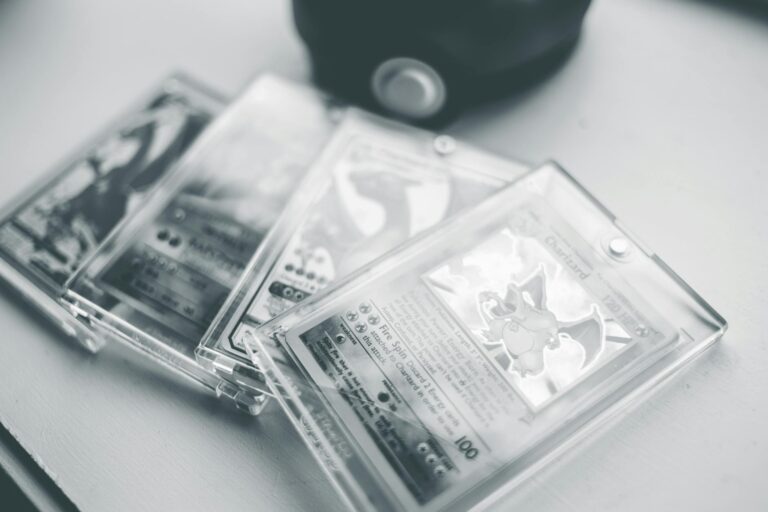
What exactly are 4th Print Booster Boxes in the world of Pokémon Trading Card Game, or TCG as fans often call it? People who collect these cards sometimes talk about “4th print” versions, and it usually points to specific reprints of popular sets where the cards inside get a special mark to show they’re from a later production run. These aren’t some rare secret item, but rather official reprints made by The Pokémon Company to keep up with huge demand for older sets that sold out fast. Imagine the original booster boxes from sets like Base Set, Jungle, or Fossil – those classic ones from the 1990s that started it all. The 4th print versions look almost exactly like their first print brothers, but with tiny clues that tell sharp-eyed collectors they’re from that fourth wave of printing.
Let’s break it down step by step, starting with the boxes themselves. A standard Pokémon booster box holds 36 booster packs, each pack with 11 cards back in the early days, though that changed a bit later on. For 4th print booster boxes, picture a sturdy cardboard box, usually about the size of a small shoebox, maybe 6 inches tall, 12 inches wide, and 5 inches deep. The outside is colorful and eye-catching, just like the originals. Take the original Base Set booster box, for example. It has a bright blue background with Charizard roaring in the center, flames shooting out, and Pikachu peeking from the side. Yellow text screams “Pokémon Trading Card Game” across the top, with “Base Set Booster Pack Display Box” or something close written below. The 4th print box matches this design down to the smallest detail – same artwork, same fonts, same layout. No big “4th Print” stamp anywhere obvious on the outside. That’s on purpose, so they blend right in with earlier prints on store shelves.
Why do they look the same? Back in the late 1990s, when Pokémon TCG exploded in popularity, factories couldn’t print fast enough. Wizards of the Coast handled the first prints in English, and they rolled out multiple print runs labeled 1st, 2nd, 3rd, and so on up to 11th for some sets. The 4th print came out around 1999 or early 2000, depending on the set. The box art stayed identical to avoid confusing kids and parents buying them. But flip the box over to the back, and you might spot subtle differences. Early prints list set codes or copyright years like 1999, while later ones, including 4th print, could have slight tweaks in the fine print, like updated legal info or barcodes. The sides often show pack images – those shiny foil wrappers with Pokémon faces poking out – and warn about choking hazards for small parts.
Now, inside the box is where the real magic happens, and it’s what makes 4th print special. Open it up, and you find 36 sealed booster packs, neatly stacked in three rows of 12. Each pack is a slim foil packet, silver or gold depending on the set, with a clear window sometimes showing a holographic card teaser. For Base Set 4th print packs, they’re the classic silver with a black stripe and Pokémon logo. The cards inside? That’s the key giveaway. Every card in a 4th print pack has a tiny “4” symbol near the bottom right, next to the set symbol (like the little flame for Base Set). It’s not on the box, but on every single card. Commons, uncommons, rares – all marked. Holographics have it too, glowing faintly under light. This mark proves it’s authentic 4th print, not some fake or earlier version.
Collectors love hunting these because they’re more common than 1st prints (which can cost thousands), but still feel vintage. A sealed 4th print Base Set booster box today might run you $500 to $1500 online, depending on condition. Unopened packs from inside go for $100 or more each. Why the value? Rarity of pulls like holographic Charizard or Blastoise, plus nostalgia from the Pokémon boom. But looks-wise, the box itself shows age if it’s been stored decades – faded colors, minor dents, or yellowed edges from cardboard breaking down over time. Pristine ones gleam like new, with sharp corners and vibrant inks.
Shift to other early sets, like Jungle, the second expansion. Its 4th print booster box features Scyther slicing through vines on a green backdrop, with Venusaur and the gang highlighted. Same size, same 36 packs, identical to 1st print externally. The packs are green-tinted foil, and cards bear that “4” indicator. Fossil’s 4th print box? Purple tones with Kabutops and Aerodactyl fossils cracking out, mysterious and cool. Team Rocket adds a sneaky edge with Dark Charizard snarling on black and red. Each set keeps its unique artwork – no cookie-cutter designs – but all 4th prints share that invisible uniformity until you crack them open.
Fast forward a bit, and “4th print” talk sometimes spills into later eras, though it’s less common. Modern sets like Sword & Shield or Scarlet & Violet don’t use print run numbers the same way; they have expansion reprints without those markers. But collectors still spot “reprint waves” by card text changes or symbols. For instance, Play Pokémon Prize Pack Series Four, a promo set from February 2024, pulls cards from Lost Origin to Obsidian Flames, all stamped with a Play logo. Its packs aren’t traditional booster boxes, but event prize packs with 6 cards each, cosmos holofoil on foils. Boxes for these might resemble mini display cases, not the big 36-pack beasts. No direct 4th print there, but it shows how packaging evolves.
What about bundle packs or special editions? Sam’s Club once sold 4-pack bundles of Pokémon 151 Mini Tins, which aren’t booster boxes but related. Those come in plain white boxes with colorful stickers, holding four small tins each with packs inside. Not 4th print, but it highlights variety. Upcoming stuff like Ascended Heroes in 2026 has booster bundles with six packs in sleek boxes, elite trainer boxes with nine packs plus accessories. These modern ones look sleeker, with glossy finishes and promo art, but vintage 4th prints stick to that rugged 90s cardboard vibe.
Spotting a real 4th print booster box takes practice. Fakes flood the market, especially online. Genuine ones have crisp printing, no blurry edges, and the weight feels right – about 2 pounds empty. Smell test: old Pokémon boxes have a faint inky scent from age. Check the bottom flap for Wizards of the Coast stamps from 1999-2000. Inside, packs should seal tight, no air bubbles. Cards pull smooth, not sticky. If buying sealed, trust graded slabs from PSA or BGS, which verify print run.
Handling these boxes safely matters too. Store them in cool, dry spots away from sunlight to prevent fading. Use acid-free sleeves for opened packs. Dus