Pokémon Cards vs Passive Investing: Which Wins Over Time?
If you are eyeing Pokémon cards as a way to grow your money, you might wonder how they stack up against simple passive investing like index funds or ETFs. Passive investing means putting cash into broad market trackers that follow the stock market, letting them ride long-term without daily picks or trades. Pokémon cards, on the other hand, are collectibles you buy, hold, and hope appreciate as rarities or nostalgia hits. Both aim for growth over years, but they play by different rules. Let’s break it down for everyday collectors on PokemonPricing.com who track card prices and want real talk on returns.
Passive investing shines in its steady, low-drama path. You drop money into something like an S&P 500 fund, which owns shares in 500 big U.S. companies. Over decades, it has averaged about 7-10% yearly returns after inflation, based on historical data. No single company flop tanks the whole thing because it’s spread out. You pay tiny fees, maybe 0.03% a year, and sleep easy. Markets dip sometimes, like in 2008 or 2022, but they climb back over time. It’s boring but reliable for most people building wealth without stress.[1][2]
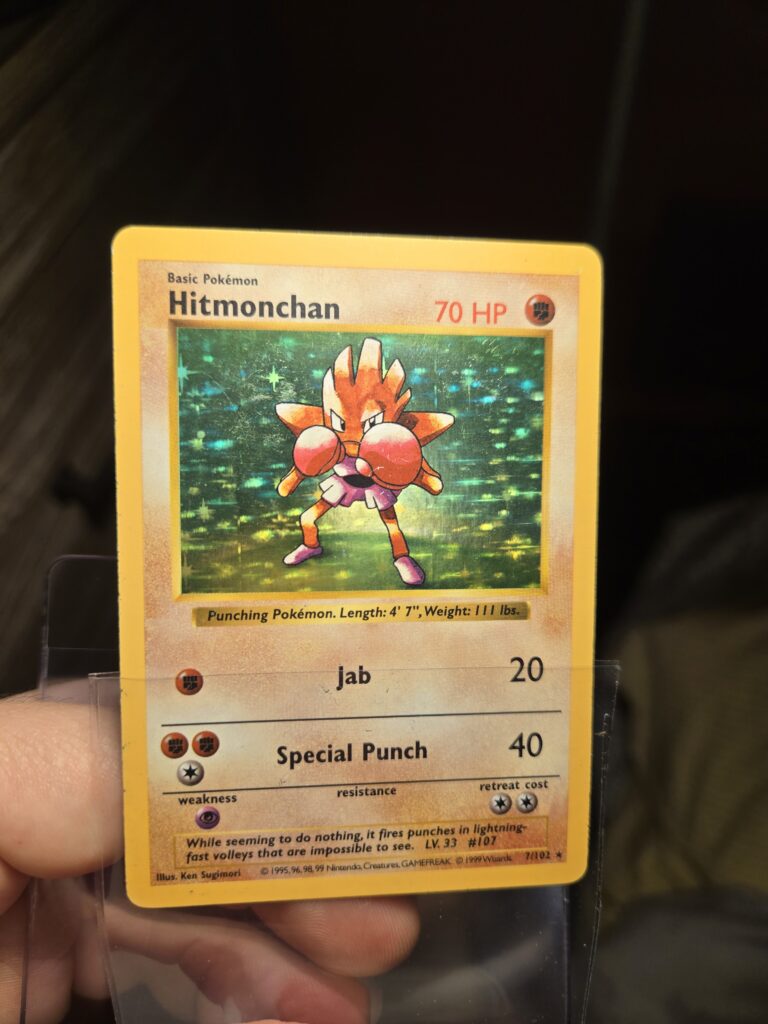
Pokémon cards can deliver explosive wins, especially if you pick smart. Vintage sets from the 90s or early 2000s, like Base Set Charizard, have seen 10x gains in five years for some sealed products. Modern sets often double or triple around the three-year mark, then surge again at the 10-year vintage shift. Investors talk 80/20 splits: 80% in safe sealed boosters or boxes for steady holds, 20% in chase cards for upside. Pokémon has utility too—cards get used in games, giving them a value floor even if prices wobble. No player injuries or scandals hurt icons like Pikachu; they stay popular forever. Sales are booming into 2026, with new fans treating cards like assets, not toys.[1][2][3][4]
Head-to-head over time, Pokémon cards beat passive investing on peak returns but lose on consistency. A $120 sealed product from a few years back now fetches over $400, and top vintage pieces keep climbing. Passive funds rarely 10x that fast. Younger collectors prefer cards over stocks, seeing them as fun limited-edition assets with nostalgia power. Sports cards, by comparison, crash on rookie busts, but Pokémon sets mostly rise regardless.[1][3][4]
Risks hit Pokémon harder. Prices swing with hype cycles—2025 was hot, but dips happen if you chase trends or store poorly. Grading, fakes, and market floods add work. Passive investing has no such headaches; it’s fire-and-forget. Most card investors fail by treating it like quick flips instead of a patient asset class.[2]
For long holds, Pokémon edges out if you nail sets like vintage or strong moderns. Track prices on sites like ours, buy sealed low-population stuff, and diversify. Passive wins for hands-off safety, but cards offer thrill and outsized pops when Pokémon’s popularity endures. Your call depends on risk appetite and time to research.