Pokémon Cards vs Art Investing: Which Has Lower Entry Costs?
If you are just starting out as a collector or investor, Pokémon cards win hands down over art when it comes to entry costs. You can dive into Pokémon cards with as little as a few dollars, while art often demands thousands upfront.
Pokémon cards let anyone jump in right away. Grab a booster pack for four to seven dollars and you have real cards in hand. Or pick up singles like modern commons or uncommons for one to twenty dollars each. These budget options come from recent sets and work great for testing the waters without big risks. Even mid-tier cards, such as near-mint modern rares around twenty to two hundred dollars, stay reachable for most people. Sealed products like an Elite Trainer Box run about seventy to eighty-five dollars, perfect for new players building a deck or collection.
Art investing works differently. Platforms let you buy shares in fine art pieces, but even those come with higher hurdles. Art stays illiquid, meaning sales take time, and transaction costs add up fast. You rely on the piece gaining value over years, with no income along the way. While sites like Masterworks aim to ease this by offering a marketplace for shares, the starting point still feels out of reach for casual folks compared to snagging a Pokémon pack at your local store.
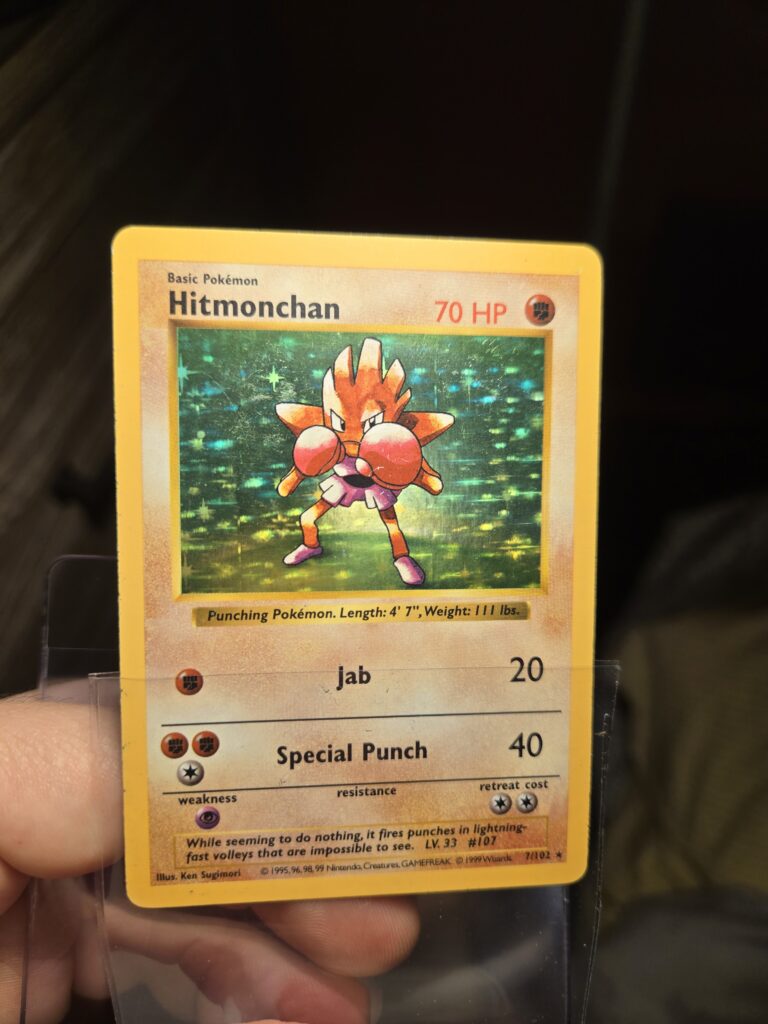
Condition plays a huge role in Pokémon card prices, but it does not lock you out early. A card in good shape with some wear might cost ten to fifty dollars, while mint ones climb higher. Stick to ungraded modern cards under one hundred dollars to skip grading fees of twenty to one hundred bucks per card. Vintage holos or first editions spike into hundreds or more, but you do not need those to start. Focus on popular characters or full-art variants from new sets, and values can grow with demand.
Art shares no such low-barrier options. Minimum investments often hit four figures, tied to pricey originals or high-end prints. Pokémon cards grew huge during the pandemic, with the market jumping seven hundred percent since 2020 in graded sales alone. Trading cards hit forty-four billion dollars in value by 2023, showing room for small buys to pay off as hobbies turn mainstream.
Supply and demand drive both, but Pokémon moves faster for beginners. Hype around stars like Charizard pushes prices up quick, yet commons stay cheap. Art appreciation takes longer, with fewer quick flips. Pre-built theme decks at forty to sixty dollars let you play and collect Pokémon right away, upgrading as you go.
For pure entry costs, Pokémon cards keep the door wide open. Start small, enjoy the hunt, and scale up as you learn the market.