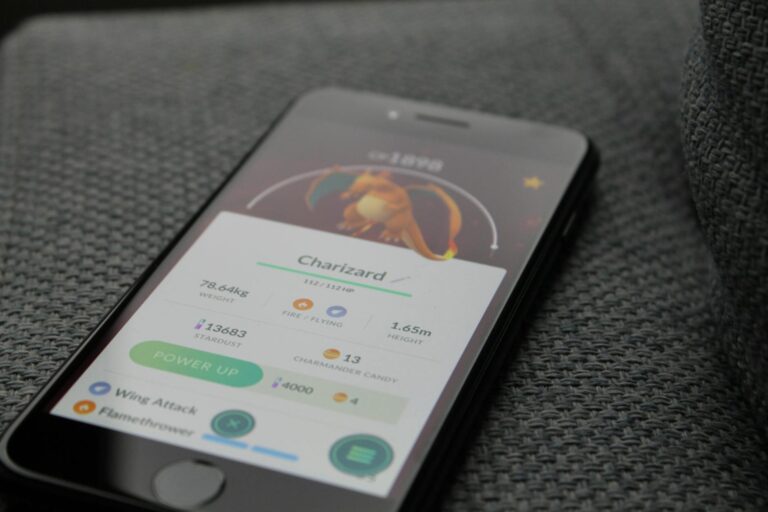
Logan Paul recently grabbed attention by using a rare Charizard Pokemon card to break down a big idea in investing: culture compounds. He pulled out his prized 1st Edition Charizard, worth hundreds of thousands, to show how something small like fan excitement can grow huge over time, just like compound interest on money.
Picture this. Back in the 90s, Pokemon cards were just fun for kids trading at recess. A Charizard might cost five bucks or less. Fast forward, and that same card sells for over $200,000 today. Why? Culture compounded. Fans grew up, nostalgia kicked in, new players joined, and hype built on itself year after year. Logan points out that each Pokemon event, new game release, or viral moment adds fuel. It’s not a straight line up. Prices dip, like many cards did in late 2025 when modern sets cooled off from peaks. A hot card that hit $1,600 fresh out dropped to around $300 as supply hit the market[1][3]. But icons like Charizard hold floors higher, bouncing back to test $1,000 supports because the cultural love never fades[1].
This matters for Pokemon card prices right now. Everyday cards in the $10 to $80 range keep steady demand from collectors and gift buyers, with growth over 126 percent in two years[2]. Premium chase cards from sets like Temporal Forces hover at $20 to $60, even as broader markets flatten[5]. Logan’s example screams patience. New sets spike on launch hype, then settle, but cultural staples compound long-term. Think older booster boxes from Sun and Moon era, scarcer now and climbing back toward $7,000 highs[4]. Or exclusive Pokemon Center items that stay pricier because you can’t grab them anywhere[6].
For collectors eyeing 2026, Logan’s Charizard lesson fits perfect. Skip chasing every new shiny. Bet on what has that compounding fan power. Prices might wobble short-term, with some cards sliding from $350 to $284 or lower[1]. But the big ones, fueled by decades of culture, keep proving why they endure. Spot those, hold tight, and watch the value stack up.