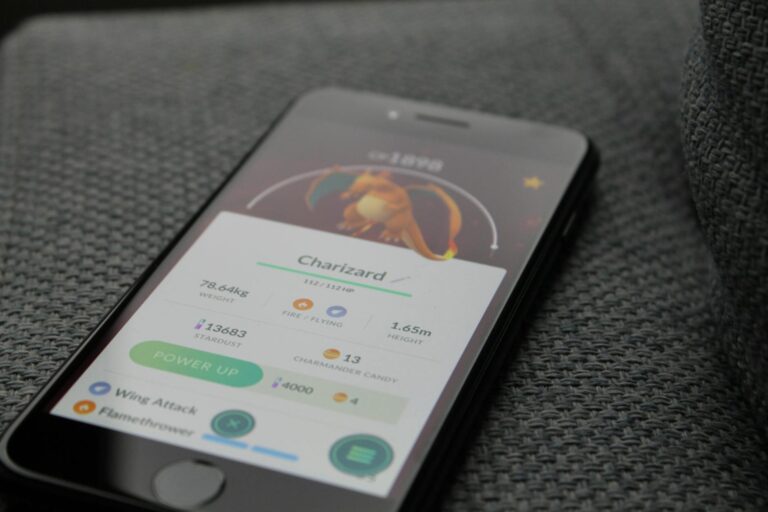
Logan Paul recently shared his take on why Pokémon cards hold such strong value over time. He points to generational memory as a key factor, explaining how these cards tap into deep childhood nostalgia that gets passed down through families.
Think back to the 1990s when Pokémon first exploded. Kids everywhere were trading cards, playing the video games, and watching the shows. Creator Satoshi Tajiri drew inspiration from his own boyhood bug-hunting days in Japan, turning those simple joys into a massive franchise with games, cards, and cartoons.[2] The original Base Set cards hit shelves in Japan on October 20, 1996, and sales boomed after the TV series aired, with nearly 500 million cards produced by early 1998.[2]
This creates what experts call generational memory. Parents who grew up with Pokémon introduce it to their kids, who then share it with the next generation. It’s like a family heirloom that keeps getting more special. Logan Paul highlights this with his famous Charizard card, a symbol of those early thrills for millions.[1] Charizard, the fiery dragon Pokémon, stands out as the ultimate nostalgia icon, pulling at heartstrings from childhood collections.[1]
Celebrities like Paul amplified this trend. When he and others like Steve Aoki started opening boxes on camera and showing off rare pulls, prices shot up fast.[3] A perfect PSA 10 First Edition Charizard sold for huge sums, proving how hype mixes with that built-in emotional pull.[3]
For collectors today, this means Pokémon card prices stay resilient. Nostalgia isn’t fading; it’s growing as more generations join in. Rarer cards from the early sets, especially those tied to personal memories, often see steady value increases because they represent more than paper and ink. They hold pieces of our past that buyers want to own forever.