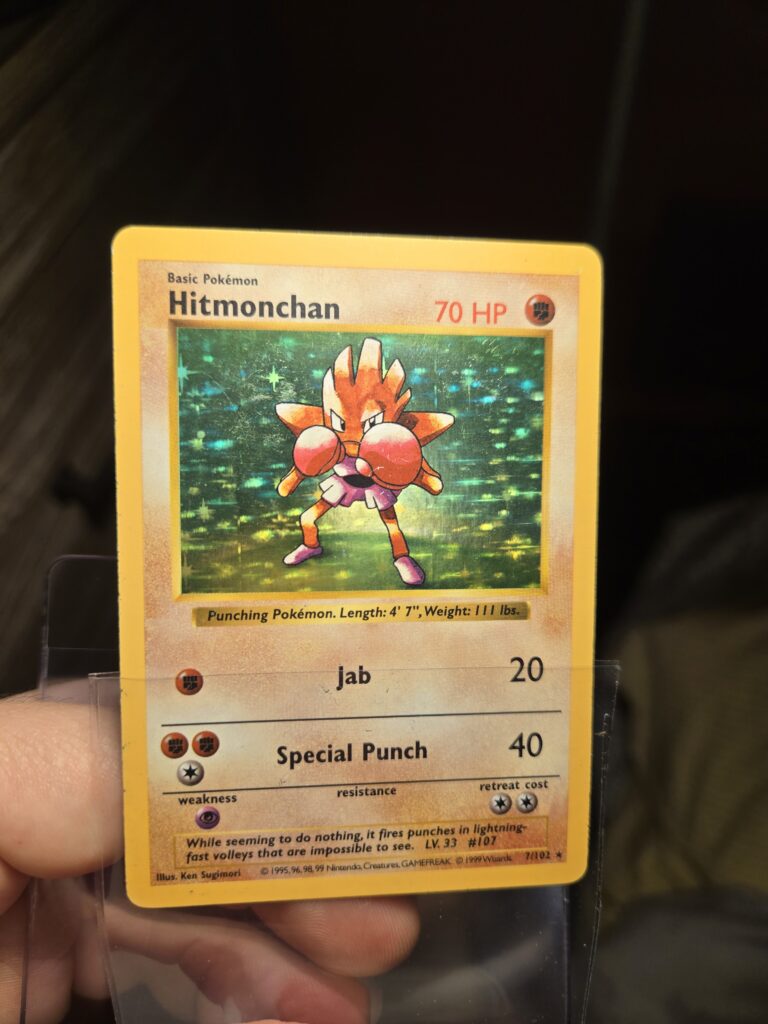
Pokemon cards are more than just collectibles for trading or battling. They act as pieces of history, preserving moments from the game’s early days, and collectors like Logan Paul show how framing and protecting them keeps that history alive.[2][6]
Think back to 1999 when the Pokemon Trading Card Game launched alongside the video games and TV show. Kids everywhere swapped cards from sets like Base Set, Jungle, and Fossil. Those early print runs were small, and many cards got played hard without sleeves, so finding one in top shape today is tough. That scarcity, plus the nostalgia it brings, makes vintage cards super valuable.[1][4]
Rarity boosts value even more. First edition stamps, holographic shines, and special art stand out. Take the Pikachu Illustrator card, a trophy given to contest winners in the late 1990s. Fewer than 40 exist, never sold to stores, making it the rarest out there.[6] Or Japanese Masaki Promo cards from 1997-1998, where fans sent in drawings and got custom versions back. Lots got damaged in the mail, so mint ones with art by Ken Sugimori fetch thousands in PSA 10 grade.[3]
Logan Paul spotlighted this preservation side when he bought a PSA 10 Pikachu Illustrator for over $5 million. His move put Pokemon collecting in the news, proving these cards hold real cultural weight. But experts like Israeli collector Dor say it’s not just about price hype. He built a massive archive with rare cards, sealed packs, even old VHS tapes, treating them like museum pieces. “A card in your hand is real,” he says, unlike digital stuff that can vanish. For Dor, grading, storytelling, and keeping them safe matter over quick flips.[2]
Grading is key to preservation. Services like PSA or Beckett check condition and seal cards in slabs. A high grade on a vintage holo can skyrocket value because buyers know it’s protected from wear.[1][5] Beckett even graded another Pikachu Illustrator recently, helping save Pokemon history.[5]
Modern cards from sets like Sword & Shield have cool alternate art and secret rares that excite collectors fast. Influencers spread the word, but their long-term hold is trickier with bigger print runs.[1] Vintage wins for stability, tied to Pokemon’s spot as the top media franchise ever, with no risk of a star Pokemon getting injured like in sports cards.[6]
To preserve your cards, sleeve them right away, use top loaders, and store in binders or boxes in a cool, dry spot away from sun and moisture. Check them often for damage. This keeps their condition strong and value steady.[4]
High-end collectors chase these as cultural artifacts, not bets. Gold Star cards from 2004-2007 or shadowless prints capture Pokemon’s creative start, linking fans to the brand’s roots.[3][1] Framing them, like Logan Paul might, turns a collection into a display of history you can touch. Whether chasing a Base Set Charizard or a promo gem, protecting cards today ensures the story lives on for tomorrow’s fans.[7]