Logan Paul has always been vocal about the wild world of collectibles, and his take on Pokemon cards boils down to one big idea: belief sets the price floor. In simple terms, a card’s true bottom-line value isn’t just about supply or rarity. It’s about how much fans and collectors truly believe in it holding worth over time. Paul points out that when enough people buy into a card’s hype, story, or nostalgia, they create a solid base price that won’t crash no matter what the market throws at it.[2]
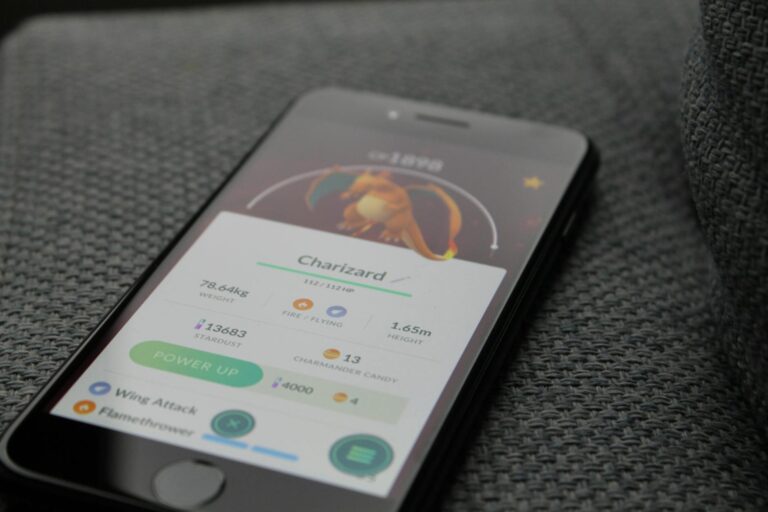
Think of it like this. A shiny Charizard from the base set doesn’t drop to zero because everyone knows it’s iconic. Fans grew up with it, traded it, and still chase perfect grades today. That shared belief keeps bids coming in auctions and sales steady on sites like eBay or TCGPlayer. Paul compares it to his own crypto ventures or Prime drinks, where hype turns into real staying power. For Pokemon, cards like Pikachu ex from Japan’s new Start Deck 100 hit 48,000 JPY right out the gate because collectors believe in its cute design and luck-based pull.[1]
Market data backs this up. Recent sales, not just asking prices, decide value. A PSA 10 Charizard can sell in minutes for thousands because liquidity is high—people trust it moves fast.[2] Vintage rarities like the T206 Honus Wagner in sports cards work the same way. Fixed supply plus rock-solid belief equals floors that last decades.[2][3] Even modern Pokemon hits face risks if overprinted, but the ones with fan faith, like Mega Charizard Y ex at 280,000 JPY, stay premium.[1]
Paul stresses checking real sold listings and pop reports from graders like PSA. High populations dilute scarcity, but belief overrides that for chase cards. A mid-tier card might tank if hype fades, but icons? Their floor holds because collectors won’t let go. In Pokemon, gameplay staples like Boss’s Orders or cute pulls like wide-eyed Pikachu spike because players and fans alike believe they’ll matter long-term.[1]
This mindset shifts how you hunt prices on PokemonPricing.com. Look beyond raw numbers. Ask: Do people believe in this card’s future? Tools showing completed sales and grade counts help spot those floors. Paul’s advice fits Pokemon perfectly—belief from the community creates value that print runs can’t touch. Cards from events, limited decks, or fan favorites build that trust naturally. Next time a new set drops, watch what collectors chase. That’s your clue to the real floor.