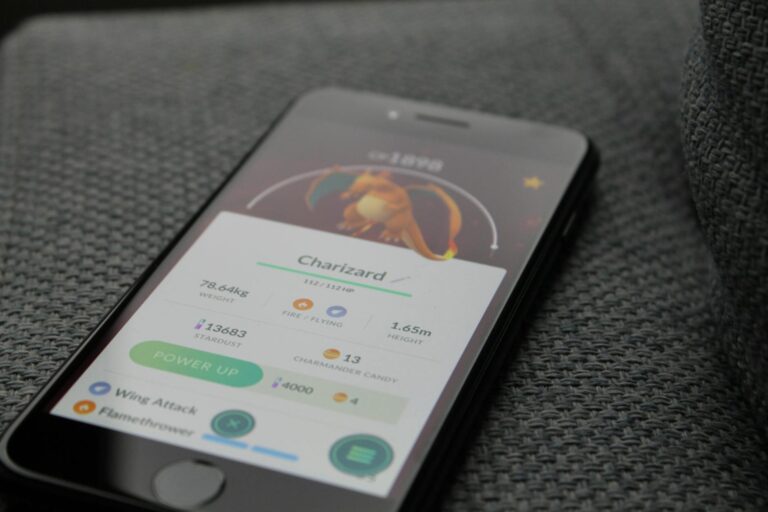
The short answer is yes”but with significant caveats. The millennial collector cohort, particularly those now in their mid-30s who grew up during Pokémon’s initial 1999-2003 boom, has already demonstrated its ability to move vintage card prices dramatically. The sustained price increases for Base Set, Jungle, Fossil, and Team Rocket cards over the past several years suggest this isn’t merely speculative froth but rather a demographic wave with real staying power. However, “permanently” is a strong word in any collectibles market, and the long-term trajectory depends on factors that remain uncertain”including whether this cohort will continue collecting as their children age, how the broader economy performs, and whether future generations develop their own nostalgic attachment to these same cards.
Consider the trajectory of a PSA 9 Base Set Charizard: these cards traded for roughly $200-400 in the early 2010s, climbed steadily through the late 2010s, and reached extraordinary heights during the pandemic-era boom. While prices have corrected from those peaks, they remain substantially higher than pre-2018 levels. This pattern”a dramatic spike followed by a correction that still leaves prices elevated”mirrors what we’ve seen in other nostalgia-driven collectibles markets when a large generational cohort reaches peak earning years. The article that follows examines the demographic math behind this cohort, the historical precedents from other collecting hobbies, and the practical implications for both collectors and investors trying to navigate this market.
Table of Contents
- How Large Is the Millennial Pokémon Collector Base?
- Why the “Kids Factor” Changes Everything
- Historical Precedents from Other Nostalgia-Driven Markets
- What Card Categories Are Most Affected by This Cohort?
- Timing Considerations for Collectors and Investors
- The Role of Grading Services in Price Sustainability
- Future Generations and the Sustainability Question
- Conclusion
How Large Is the Millennial Pokémon Collector Base?
The demographic math is genuinely impressive. millennials born between roughly 1981 and 1996 represent the largest generational cohort since the Baby Boomers, and those who were 8-14 years old during Pokémon’s explosive 1999-2000 debut are now in their mid-30s to early 40s. This age range typically corresponds with peak earning potential, established careers, and”crucially”disposable income that can be directed toward nostalgic purchases. In the United States alone, millennials number approximately 72-73 million people, making them the largest living adult generation as of recent census data. Not every millennial collected Pokémon cards, of course, but market penetration during the original craze was extraordinary by any standard. Pokémon was a genuine cultural phenomenon that crossed demographic lines”urban and rural, various income levels, boys and girls alike.
Conservative estimates suggest that tens of millions of American children had at least some exposure to Pokémon cards during the original era, whether through direct collecting, trading with friends, or simply being aware of the phenomenon. Even if only a small percentage of these former collectors re-enter the market as adults with serious purchasing intent, the absolute numbers involved are substantial enough to move prices for a finite supply of vintage cards. The comparison to other collectibles markets is instructive here. Sports card collecting experienced a similar nostalgia-driven renaissance when Generation X collectors, who grew up during the 1980s junk wax era, reached their peak earning years. However, the supply dynamics were fundamentally different”1980s baseball cards were printed in such enormous quantities that nostalgia alone couldn’t overcome the supply glut. Vintage Pokémon cards, while certainly not rare by the standards of pre-war baseball cards or comic books, exist in far smaller quantities relative to potential collector demand.

Why the “Kids Factor” Changes Everything
The presence of children in this collector cohort isn’t just a demographic footnote”it’s a potential market accelerant that distinguishes this wave from typical nostalgia collecting. When a 35-year-old collector introduces their 8-year-old to pokémon, they’re not just indulging personal nostalgia; they’re creating a shared family activity that provides ongoing justification for continued engagement with the hobby. This intergenerational transmission of interest has historically been one of the most powerful forces in sustaining collectibles markets long-term. However, this dynamic cuts both ways. If children become the primary justification for collecting, parental interest may wane as those children age out of Pokémon’s target demographic.
A collector who buys vintage cards to share the hobby with a 7-year-old may lose motivation when that child becomes a teenager with different interests. The “kids factor” can sustain engagement for 5-10 years during childhood, but it doesn’t guarantee permanent commitment to the hobby. Collectors who entered the market primarily for their children may exit when that rationale disappears, potentially creating a secondary correction in prices. The most durable price support likely comes from collectors who have internalized the hobby as part of their own identity, regardless of whether their children remain interested. These collectors”who view their vintage Pokémon cards as genuine collectibles worthy of long-term preservation”represent the core market that will continue buying, holding, and occasionally upgrading their collections regardless of family circumstances. The challenge for anyone trying to assess long-term price trajectories is determining what percentage of current collectors fall into this category versus those whose engagement is more circumstantial.
Historical Precedents from Other Nostalgia-Driven Markets
Comic books provide perhaps the most instructive parallel. Golden Age and Silver Age comics experienced dramatic price appreciation as Baby Boomer collectors”who read these comics as children in the 1950s and 1960s”reached peak earning years in the 1980s and 1990s. Crucially, many of those prices have remained elevated (in inflation-adjusted terms) even as the original collector cohort has aged. The key comics from this era became recognized as culturally significant artifacts worthy of museum-quality preservation, transcending their origins as disposable children’s entertainment. Pokémon cards face a similar inflection point. The question is whether the broader cultural establishment”auction houses, museums, mainstream media”will validate vintage Pokémon cards as legitimate collectibles worthy of serious investment.
Signs point toward yes: major auction houses have conducted high-profile Pokémon sales, mainstream publications regularly cover significant prices realized, and institutional validation continues to accumulate. This cultural legitimization matters because it expands the potential buyer pool beyond pure nostalgia collectors to include general collectibles investors and wealthy individuals seeking alternative assets. The cautionary precedent comes from Beanie Babies, which experienced a spectacular boom and bust in the late 1990s. The key difference, however, is that Beanie Babies lacked the cultural depth and ongoing media presence that sustains long-term collector interest. Pokémon remains a commercially active franchise with new games, cards, and media content, which continuously introduces new collectors while maintaining cultural relevance. A collectible tied to a dead or dormant franchise faces very different long-term prospects than one connected to an ongoing cultural phenomenon.

What Card Categories Are Most Affected by This Cohort?
Not all vintage Pokémon cards benefit equally from millennial nostalgia. The cards most likely to see sustained demand are those with the strongest nostalgic associations”primarily English-language Base Set, Jungle, Fossil, and Team Rocket cards that were widely available during the 1999-2001 peak of Pokémania. Within these sets, the iconic holographic cards that every 1999-era collector wanted but few obtained in pristine condition command the strongest premiums. The tradeoff between condition and authenticity is worth understanding. A PSA 10 (gem mint) Base Set Charizard represents the pinnacle of the graded card market, but these high-grade examples were never actually played with or enjoyed by children in 1999.
Some collectors specifically seek cards with light play wear because these represent authentic artifacts of childhood”the actual cards that were shuffled, traded, and treasured by real kids during the original era. This creates a bifurcated market where gem mint graded cards and lightly played ungraded cards can both command premiums for different reasons. Japanese-language cards from the same era occupy an interesting middle position. They often feature superior print quality and sometimes earlier release dates than their English counterparts, but they lack the direct nostalgic connection for American collectors who only had access to English cards as children. For collectors whose interest is primarily investment-driven rather than nostalgia-driven, Japanese cards may offer better value; for those seeking to recapture childhood memories, English cards will always command a premium regardless of objective quality differences.
Timing Considerations for Collectors and Investors
The millennial collector cohort is currently near the demographic sweet spot: old enough to have established careers and disposable income, young enough to have decades of collecting ahead, and at the life stage (raising young children) where nostalgic reconnection with childhood interests feels most natural. This demographic window will remain open for years, but it won’t last forever. Collectors entering the market should understand that they’re buying during a period of elevated demand driven by identifiable demographic factors. The comparison between buying now versus waiting involves genuine uncertainty. Prices for top-tier vintage cards have already appreciated dramatically from their pre-2018 levels, meaning much of the “easy” appreciation has already occurred.
However, if the demographic thesis is correct”that millions of potential collectors have yet to enter the market seriously”current prices could represent a plateau rather than a peak. The honest answer is that no one can predict with confidence whether prices in five or ten years will be higher or lower than today. A reasonable middle-ground approach is dollar-cost averaging: acquiring cards gradually over time rather than making large purchases at any single price point. This strategy reduces the risk of buying at a local peak while ensuring some market participation if prices continue rising. It also aligns with the collecting philosophy that prioritizes enjoyment of the hobby over short-term financial returns”a mindset that tends to produce better outcomes for most collectors regardless of market conditions.
The Role of Grading Services in Price Sustainability
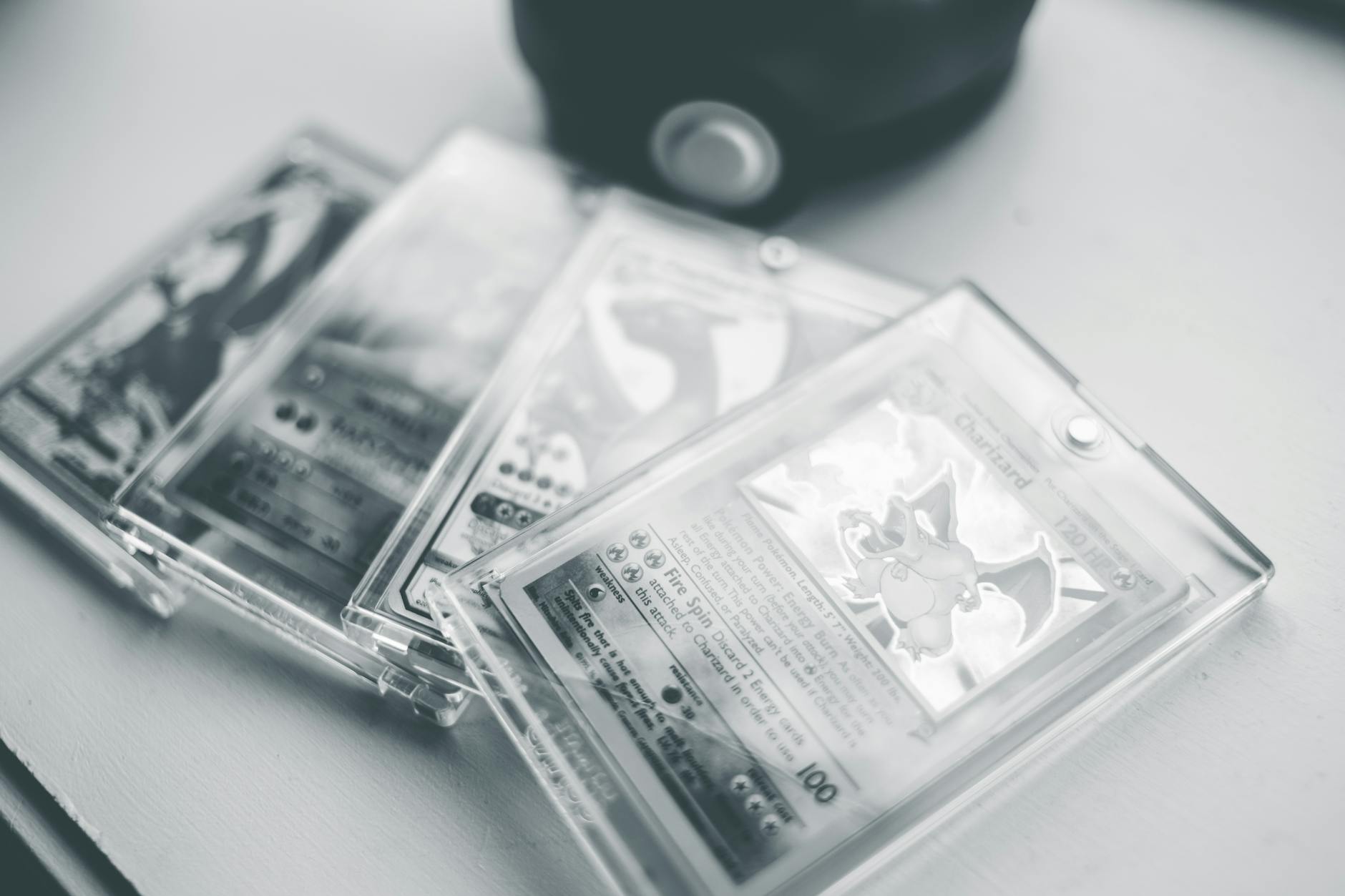
Third-party grading has fundamentally transformed the vintage Pokémon market by creating standardized condition assessments that enable confident transactions between strangers. PSA, BGS, and CGC grades function as a common language that makes high-value cards fungible”a PSA 9 Base Set Charizard from one seller is theoretically equivalent to a PSA 9 from another, enabling price discovery and market liquidity that would be impossible if every transaction required individual card evaluation. For the mid-30s collector cohort specifically, grading provides a bridge between childhood collecting and adult investing. Cards that were stuffed in pockets, stored in shoeboxes, and handled with sticky fingers can now be professionally assessed, permanently encapsulated, and assigned a grade that establishes their place in the condition hierarchy.
This transforms what might otherwise be dismissed as childhood ephemera into recognizable investment-grade assets that can be bought, sold, and valued with confidence. The limitation to understand is that grading cannot create value where none exists”it can only reveal and certify value that the underlying card possesses. A heavily played common card remains nearly worthless regardless of whether it’s graded, and the fees associated with grading typically exceed the value added for lower-tier cards. Grading makes the most sense for cards with genuine scarcity and demand, where the certification provides meaningful assurance and the encapsulation protects substantial value.
Future Generations and the Sustainability Question
The ultimate test of “permanent” price increases is whether future generations will value these cards as highly as current collectors do. Baby Boomer collectors drove Golden Age comic prices higher, and those prices have largely been sustained because subsequent generations recognized the cultural significance of these artifacts even without personal nostalgic attachment. Will Generation Z or Generation Alpha collectors feel similarly about 1999-era Pokémon cards? Tentative evidence suggests yes.
Pokémon remains one of the most successful media franchises in history, continuously refreshed with new games, cards, and content that introduces each generation to the brand. Unlike properties that peaked and faded, Pokémon has maintained cultural relevance for over 25 years. Children today are growing up with Pokémon just as their millennial parents did, which creates the possibility of sustained multi-generational interest in the franchise’s historical artifacts. The vintage cards that millennial collectors prize may become recognized as the original source material for an enduring cultural phenomenon”valuable not just for nostalgia but as genuine historical objects.
Conclusion
The mid-30s millennial collector cohort is unquestionably large enough to have already moved vintage Pokémon card prices substantially, and demographic factors suggest this elevated demand will persist for at least the next decade as this cohort remains in peak earning years with children who provide ongoing engagement justification. Whether these price levels prove “permanent” in any meaningful sense depends on factors that remain uncertain: the depth of commitment among current collectors, the behavior of future generations, and the broader cultural trajectory of Pokémon as a franchise. For collectors navigating this market, the practical implications are relatively clear.
Focus on cards with genuine nostalgic resonance and established collector demand rather than speculating on obscure items hoping for price discovery. Understand that you’re buying during a period of demographically-driven elevated prices, which means expecting dramatic future appreciation requires optimistic assumptions about market expansion. Most importantly, collect cards that bring you genuine enjoyment rather than treating the hobby purely as an investment”the collectors who derive real satisfaction from their collections are the ones most likely to hold through market volatility and ultimately benefit from long-term price appreciation.