The holo weight difference is genuinely smaller than most collectors assume, and this misconception has led to countless failed pack-weighing attempts and wasted money on “heavy” packs. The actual weight variance between a holographic rare card and a non-holo rare typically ranges from 0.1 to 0.3 grams””a margin so thin that most consumer-grade scales cannot reliably detect it. For context, a single human hair weighs approximately 0.06 grams, meaning the difference you’re trying to measure is often equivalent to just a few strands of hair.
This reality contradicts the persistent myth that pack weighing is a foolproof method to find holos. While the practice gained notoriety in the early 2000s when foil patterns were thicker and manufacturing was less precise, modern Pokemon card production has narrowed this gap considerably. A collector who purchased a $200 precision scale to weigh Base Set Unlimited packs, for example, would find that the overlap in weight distribution between holo and non-holo packs makes definitive sorting nearly impossible without opening a statistically significant sample first. This article examines the actual science behind card weights, explores why the difference has shrunk over time, addresses when weighing might still work, and helps you understand what this means for buying sealed product in today’s market.
Table of Contents
- Does The Holo Weight Actually Differ Enough To Detect?
- Why Modern Pokemon Cards Have Narrowed The Weight Gap
- The Science Behind Card Weight Variation
- Can You Still Weigh Packs Successfully?
- Common Misconceptions About Pack Weighing
- Regional And Print Run Differences
- What This Means For Sealed Product Values
- Conclusion
Does The Holo Weight Actually Differ Enough To Detect?
The weight difference between holographic and non-holographic pokemon cards exists, but its practical detectability is another matter entirely. Holographic cards use a thin metallic foil layer laminated beneath the card surface, which does add mass. In vintage sets like Base Set, Jungle, and Fossil, this foil layer was thicker and more substantial, creating a measurable difference of approximately 0.2 to 0.4 grams per card. Modern holographic treatments, however, use thinner foil applications and different printing techniques that have reduced this gap to 0.1 grams or less in many cases. The challenge compounds when you consider pack-level variables.
Each booster pack contains multiple cards, a wrapper, and sometimes a code card or energy card, all of which have their own weight tolerances. Manufacturing variance in the non-holo cards, the wrapper material, and even the ink coverage on different cards can collectively create a weight swing of 0.3 to 0.5 grams between packs””often exceeding or matching the holo difference itself. A pack with a particularly heavy common lineup and standard rare might weigh the same as a pack with lighter commons and a holo. Testing conducted by collectors who documented their results shows hit rates of 60 to 70 percent at best when weighing vintage packs, far from the guaranteed success many assume. For modern sets, that accuracy drops further, often to near-random chance levels.
Why Modern Pokemon Cards Have Narrowed The Weight Gap
Pokemon card manufacturing has evolved significantly since the original Wizards of the Coast era. The Pokemon Company International and their printing partners now use more precise quality control, thinner foil applications, and different card stock that collectively minimize weight variance. The holofoil patterns in modern sets often use a lighter reflective coating compared to the thick, textured foil of 1999 Base Set holos. Additionally, modern sets have introduced numerous card types that complicate the equation. Full art cards, rainbow rares, gold cards, and alternate arts all use different printing processes with varying weights.
A pack containing a regular holo might weigh less than a pack with a heavy reverse holo and textured full art. The Sword and Shield era introduced character rares and trainer gallery cards that further muddy any weight-based sorting strategy. However, if you’re specifically dealing with sealed vintage product from 1999 to 2003, the weight packs/” title=”Is A 0.15g Difference Enough To Separate Light And Heavy Pokemon Packs”>difference remains more relevant””though still not reliable enough for confident sorting. The older Wizards-era holos used a cosmos pattern with thicker foil that created more consistent weight additions. Even so, the degradation of wrapper seals, potential moisture absorption over decades, and unknown storage conditions make weighing vintage packs an inexact science at best.
The Science Behind Card Weight Variation
Understanding why weight varies requires looking at the physical composition of Pokemon cards. A standard card consists of a blue core layer sandwiched between two white paper layers, with printed ink on the surface. The total weight of a modern Pokemon card averages approximately 1.7 to 1.8 grams. Holographic cards add a foil layer between the core and the top printing surface, plus additional adhesive to bond this layer. The ink itself contributes measurable weight.
Cards with darker, more ink-heavy artwork weigh fractionally more than cards with lighter color schemes. A card like Charizard with its heavy orange and red coverage will weigh slightly more than a Clefairy with predominantly pink and white tones. When multiplied across ten to eleven cards in a pack, these differences accumulate into measurable variance. Wrapper weight introduces another variable. The foil wrapper material varies in thickness across production runs, and the crimped seals at each end can contain more or less excess material depending on the packing machinery’s calibration that day. Collectors who have weighed empty wrappers from the same set have documented differences of 0.1 to 0.2 grams between individual wrappers alone.

Can You Still Weigh Packs Successfully?
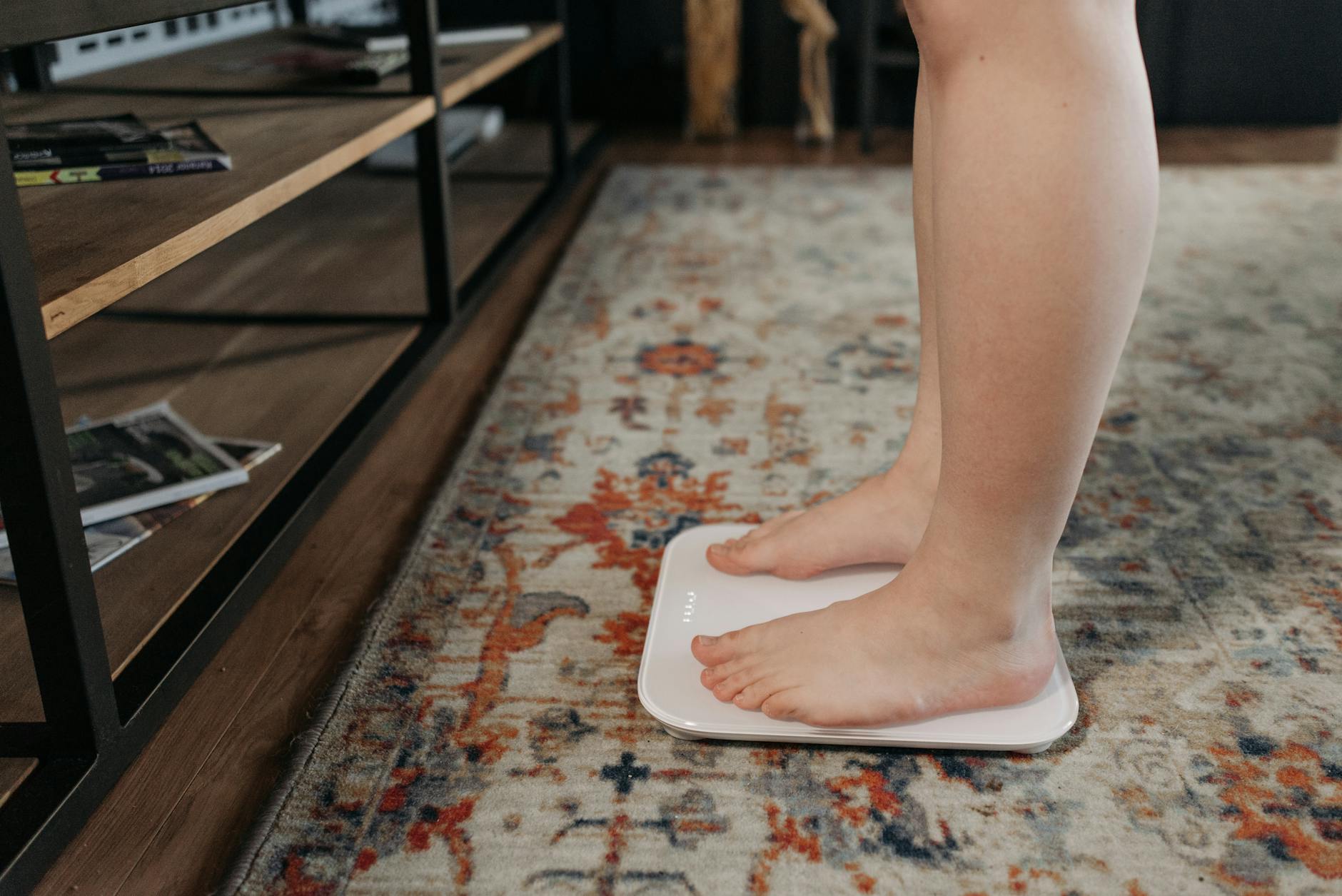
Pack weighing can still yield better-than-random results under specific conditions, but the circumstances where it works reliably have narrowed considerably. The practice shows modest success with 1st Edition Base Set, Jungle, and Fossil packs where the holo-to-nonholo ratio was simple and the foil was thick. Collectors who document their weighing attempts with these sets typically report 65 to 75 percent accuracy when using scales with 0.01 gram precision and carefully controlled methodology. The tradeoff involves investment and risk.
A precision scale capable of detecting 0.01 gram differences costs $50 to $150, and even then, environmental factors like air currents, surface vibration, and humidity can throw off readings. You also need baseline data, meaning you must either open packs from the same print run to establish weight distributions or rely on community data that may not match your specific product. For modern sets, the comparison becomes unfavorable. The time spent weighing packs, the scale investment, and the unreliable results make the practice economically irrational compared to simply buying singles or accepting randomness as part of the hobby. The exception might be eliminating clearly light packs that are almost certainly non-holo, essentially using weighing as a filtering tool rather than a selection method.
Common Misconceptions About Pack Weighing
The biggest misconception is that sellers have already weighed all packs, leaving only “light” packs for sale. While some unscrupulous sellers certainly do this, the economics often don’t support it. Weighing takes time, requires equipment, and for modern sets yields such poor results that many sellers don’t bother. A seller moving hundreds of packs per week would spend hours weighing for marginal benefit. Another flawed assumption is that a heavy pack guarantees a holo.
Even with vintage packs where the weight difference is more pronounced, overlap exists in the distributions. Some non-holo packs fall in the heavy range due to card and wrapper variance, while some holo packs land in the middle of the distribution. The limitation here is statistical: you’re improving odds, not achieving certainty. The warning for buyers is this: purchasing “weighed heavy” packs from unknown sellers often means paying a premium for packs that weren’t reliably weighed or for product where weighing doesn’t work. You may be paying extra for nothing more than randomness dressed up as science. Conversely, buying “unweighed” packs from reputable sellers who simply don’t engage in the practice can offer better value.
Regional And Print Run Differences
Not all Pokemon cards are created equal across regions and print runs. Cards printed in Japan often use different card stock than English-language cards printed in the United States, Belgium, or other facilities. Japanese cards typically weigh slightly less overall and have different holo patterns with their own weight characteristics. A technique that works for English Base Set will not transfer directly to Japanese product.
Print runs within the same set can also vary. First Edition Base Set came from different print waves with slightly different manufacturing specifications. Unlimited Base Set exists in multiple “shadow” and “shadowless” variants that used different printing plates. These differences extend to card stock thickness and holo application, meaning weight data from one batch may not apply to another. Collectors who attempt to weigh packs from mixed sources will get inconsistent results because they’re essentially measuring different products.
What This Means For Sealed Product Values
The diminishing reliability of pack weighing has an interesting market effect: it has actually helped stabilize sealed product values in some ways. When buyers can’t easily cherry-pick holos from sealed booster boxes, the sealed product retains more of its randomness-based value proposition. A vintage booster box with packs that could be weighed to near-certainty would be worth less to collectors seeking the gambling experience that makes pack opening exciting. For collectors buying individual loose packs, the uncertainty cuts both ways.
You may be getting a pack that a seller couldn’t determine anything about, or you may be getting the leftovers from a weighing session. The safest approach remains buying sealed boxes from reputable sources where the packs haven’t been individually handled, or accepting that loose pack purchases involve inherent risk regardless of seller claims about weighing status. Looking forward, printing technology continues to evolve. Pokemon cards may eventually use digital processes or materials that make the holo-versus-nonholo weight distinction completely undetectable. Some collectors speculate that this has been an intentional goal, as reducing weighing success protects the randomized nature of the product.
Conclusion
The holo weight difference is real but far smaller than pack-weighing mythology suggests. Modern cards have narrowed this gap to near-undetectable levels, while even vintage products offer only modest accuracy improvements for collectors willing to invest in precision scales and careful methodology. The practice survives more as collector folklore than as a reliable technique.
For most collectors, the practical takeaway is to focus energy elsewhere. Buy sealed product from trustworthy sources, accept the randomness inherent in booster packs, or skip the lottery entirely by purchasing singles. The time and money spent trying to beat the odds through weighing is almost always better spent on cards you actually want.