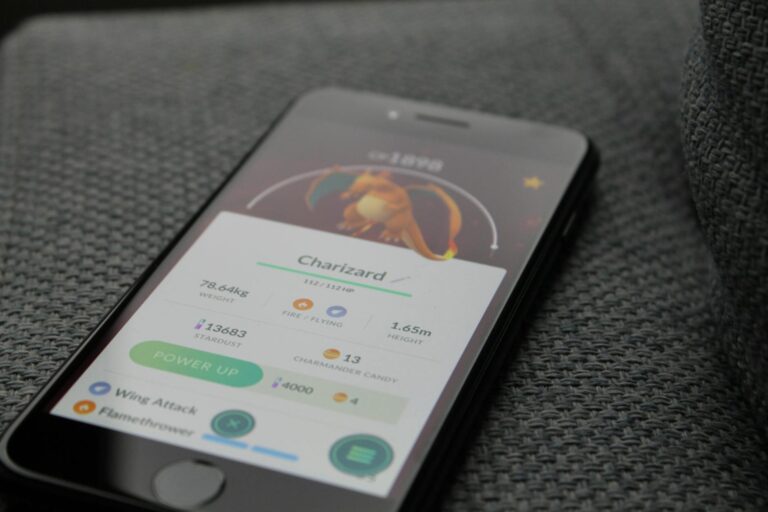
# How to Track Pokémon Card Prices Daily: A Complete Guide for Collectors
Tracking Pokémon card prices has become an essential part of the collecting hobby, whether you’re a casual enthusiast looking to understand what your cards are worth or a serious investor monitoring your portfolio. The trading card market moves quickly, with prices fluctuating based on demand, new set releases, grading trends, and collector interest. Understanding how to stay on top of these price movements can help you make informed decisions about buying, selling, or holding onto your collection.
## Understanding Why Daily Price Tracking Matters
The Pokémon trading card market is dynamic and constantly evolving. Cards that were worth fifty dollars last month might be worth thirty dollars today, while others might have doubled in value. These changes happen for various reasons. New set releases can shift demand away from older cards. Grading trends influence which cards collectors are prioritizing. Celebrity endorsements or viral moments can suddenly spike interest in specific cards. Tournament results can make certain cards more desirable for competitive players. Without tracking prices daily, you might miss opportunities to sell cards at peak value or fail to notice when a card you want has dropped to a more affordable price.
Daily price tracking also helps you understand market trends over time. By observing price movements week after week and month after month, you can identify patterns. You might notice that certain cards tend to spike in value around specific times of year. You might see that particular sets become more valuable as they age. You might discover that cards with special artwork or rare variations command premium prices. This knowledge becomes invaluable when you’re deciding which cards to pursue for your collection or which cards might be good investments.
## Using Mobile Apps for Real-Time Price Scanning
The easiest way to track Pokémon card prices daily is through mobile applications designed specifically for this purpose. These apps have revolutionized how collectors monitor their collections and discover card values. The technology behind these apps is straightforward but powerful. You simply point your phone’s camera at a Pokémon card, and the app’s scanning technology identifies the card and pulls up its current market price.
Card Value Scanner for Pokémon is one of the most popular options available on Android devices. This app features an instant card scanner that can recognize any Pokémon card, whether it’s a common card, a rare card, an EX card, a GX card, a V card, or a VSTAR card. The app maintains access to information on over thirty thousand Pokémon cards, which means you’ll rarely encounter a card that the app cannot identify. The real-time price checks pull live quotes directly from TCGplayer, one of the largest and most trusted trading card marketplaces. Beyond just scanning individual cards, the app includes a collection tracker feature that lets you organize your entire card collection. You can monitor your total collection worth and see how prices change over time. The app stores all your scans and collection data on your device, so you don’t need to create an account or worry about your data being shared.
Shiny is another comprehensive option that works across multiple platforms and supports not just Pokémon cards but also Magic the Gathering, Yu-Gi-Oh, Disney Lorcana, One Piece, and other trading card games. Shiny’s database contains information on over three hundred thousand trading card products. The app features a fast and accurate card scanner that instantly values cards. One particularly useful feature is the price alert system, which lets you set notifications for when specific cards change in price. This means you can monitor cards you’re interested in without having to manually check them every day. Shiny also includes a centering tool that helps you perform grading checks before sending cards to professional grading companies like PSA, BGS, or CGC. The app offers both a monthly subscription option at four dollars and ninety-nine cents and a lifetime purchase option at seventy-nine dollars and ninety-nine cents, giving collectors flexibility in how they want to use the service.
Pokécardex is another app available on iOS that focuses specifically on Pokémon cards. This app lets you easily manage your Pokémon collection, scan your cards, track prices, and explore different sets. The interface is designed to be user-friendly for collectors of all experience levels.
The Dragon Shield Poké TCG Scanner is another option that provides card price tracking capabilities. This app lets you add folder images and track value over time. You can export your collection to CSV or text format for backups and trades, and the app includes built-in card price tracking so you stay informed about how your collection’s value is changing.
## Accessing Web-Based Price Tracking Resources
While mobile apps are convenient for quick price checks on the go, web-based resources provide a different kind of value for daily price tracking. These websites often provide more detailed information, historical price data, and market analysis that can help you understand broader trends in the Pokémon card market.
TCGplayer is the primary marketplace that most price tracking apps pull their data from, but visiting TCGplayer directly gives you access to their comprehensive price guides. TCGplayer maintains detailed pricing information for Pokémon cards and regularly publishes articles about price movements. They track the biggest price spikes and price drops in the Pokémon market on a weekly basis, which helps you understand which cards are gaining or losing value. By checking these weekly reports, you can identify emerging trends and understand what’s driving market movements. For example, if you see that a particular card has spiked significantly in price, you can investigate why. Maybe a new deck list featuring that card won the latest tournament. Maybe a popular content creator featured the card in a video. Maybe the card is from a set that’s becoming harder to find. Understanding the reasons behind price movements helps you make better decisions about your own collection.
PokeDATA and PriceCharting are other websites mentioned as valuable resources for checking Pokémon card values. These sites give you quick access to up-to-date Pokémon card values based on real sales and trends. You can type in a card name or set number and get current pricing information. These websites are particularly useful when you want to research a card’s price history or compare prices across different conditions and variations of the same card.
## Understanding Market Data and Grading Trends
To track Pokémon card prices effectively, you need to understand what’s driving those prices. One major factor is grading trends. Professional card grading companies like PSA, BGS, and CGC assign numerical grades to cards based on their condition. These grades significantly impact card value. A card graded as a ten is worth substantially more than the same card graded as a seven.
Looking at grading data from October 2025 provides insight into which sets and cards collectors are prioritizing. The 2025 Pokémon Japanese SV8a Terastal Fest EX set had forty-seven thousand two hundred cards graded in June, though this