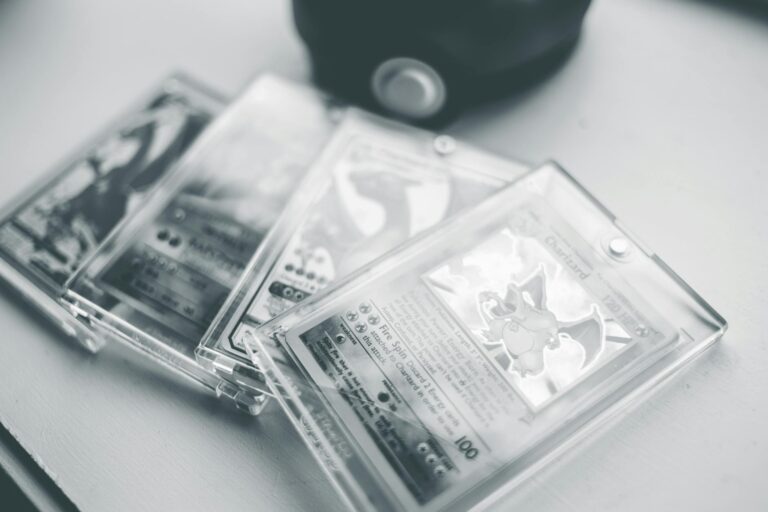
Imagine you’re holding a shiny holographic Charizard from the original Pokémon Base Set, the one numbered 4/102. That card sparkles under the light, bringing back memories of ripping open booster packs back in 1999. But as a collector, you want to know exactly which print run it’s from, especially if it’s the fourth one. Why does that matter? Print runs affect value big time. The first print run, called First Edition, has a stamp that says “1st Edition” in a black circle near the artwork. Unlimited prints came later, and within those, there are subtle differences between the first three print runs and the fourth. The first three are known as “shadowless” because they lack a shadow effect on the text box, while the fourth print run added those shadows, making cards easier to spot but often less valuable to hardcore collectors chasing the rarer early versions.
Let’s break this down step by step, starting from the basics of how Pokémon cards were printed back then. Wizards of the Coast handled the early English Base Set prints in 1999. They rushed out the first print run to meet huge demand, stamping those “1st Edition” marks. Once supply caught up, they switched to Unlimited prints without the stamp. But even Unlimited cards have print run variations. The key to spotting the fourth print run lies in a small but crucial change: the addition of black shadowing behind the white text in the type, stage, HP, and other info boxes at the bottom right of the card. This shadow makes the text pop more against the background, and it’s the hallmark of fourth print run holos.
To check your Base Set holo, grab a good light source and maybe a magnifying glass. Lay the card flat on a plain surface. Look at the bottom right corner where it lists details like “Fire Flying,” “Stage 2,” and the HP number. On shadowless cards from the first three Unlimited print runs, that text is crisp white with no fuzzy black outline or shadow behind it. The letters look clean, almost floating. Flip to a fourth print run card, and you’ll see a thin black shadow tracing each letter, giving it depth. It’s like the text went from flat to 3D. This change happened because printers adjusted the black plate to improve readability and reduce printing errors in later runs.
Not all holos show this perfectly. Charizard, Blastoise, and Venusaur—the big three starters—are the most collected, so they’re great examples to practice on. Take Charizard 4/102. Shadowless versions from early Unlimited prints can fetch hundreds or thousands ungraded, while fourth print ones are more common and cheaper, around $200 ungraded based on recent sales trends. Prices swing wild with condition, but the print run sets the baseline. For instance, a near mint shadowless Charizard might go for over $600, dropping to under $200 for a shadowed fourth print equivalent.
Now, dig deeper into why this shadow matters. Early shadowless prints had lighter ink application overall. The holographic foil on shadowless holos often looks more vibrant and rainbow-like because the black plate didn’t overpower it. In fourth print runs, heavier black ink from the shadowing dulls that shine a bit, making the holo pattern less intense. Hold your card at a 45-degree angle to the light. On shadowless, you’ll see bold shifts from blue to green to purple across the artwork. Fourth print holos might stick more to gold and subtle colors, with the shadow text visible even in reflections.
Another clue hides in the copyright line at the very bottom. All original Base Set cards say “©1995, 96, 98, 99 Nintendo, Creatures, GAMEFREAK. ©1999 Wizards.” But check the spacing and alignment. Shadowless cards often have tighter kerning—meaning letters are closer together—while fourth prints spread them out slightly for better machine registration during printing. It’s subtle, so compare side by side with known examples from trusted sellers or grading sites.
Speaking of grading, professional slabs from PSA or BGS make this easy. Look for labels like “Shadowless” or just check population reports online. Shadowless Charizard PSA 10s are ultra-rare, pushing $20,000 or more, while fourth print gems top out lower. But if you’re buying raw, ungraded cards, avoid fakes. Counterfeits mimic shadows poorly—the ink blobs or fades unnaturally. Real fourth print shadows are even and thin, about the width of a single pixel if zoomed in.
Let’s talk print run history to understand the sequence. Print run one: First Edition, super rare. Print run two: First Unlimited, fully shadowless. Print run three: Still shadowless but with minor ink tweaks. Print run four: Shadows introduced, plus sometimes a faint Topps logo in the center bottom (though that’s more for Jungle set bleed-over). No Jungle symbol errors or pink backs here—these are Base Set specific. Bulbapedia notes error cards like blurry text holos exist across runs, but shadows pin it to fourth.
Examine the borders too. Holo rares have gold borders. On early shadowless, the gold is bright and consistent. Fourth prints can show slight border bleed or dullness from heavier plates. Tilt the card edge-on; shadowless borders reflect sharper. Also, check the energy symbol and attack text. Shadows appear there too on fourth prints, outlining every symbol.
For less obvious holos like Zapdos or Mewtwo, the same rules apply. Grass types might have blue ovals instead of yellow in rare errors, but that’s not print run specific. Focus on text shadow first. If unsure, photograph under consistent lighting and compare to auction photos of verified sales. Sites tracking sales show shadowless consistently higher priced.
Value chasers love this distinction. A fourth print Blastoise holo might sell raw for $300-600, while shadowless jumps to $1,000 plus. Venusaur follows suit. Non-holo rares don’t have holo shine, so shadows are harder to spot but follow the same print logic—though holos are the focus for most.
Printing tech back then used offset lithography with separate plates for colors: cyan, magenta, yellow, black. Early runs skimped on black to speed production, causing shadowless looks. By fourth run, they beefed up black for quality control, adding shadows. This shift fixed issues like light text washing out on foils.
Test it yourself with a lineup. If you have multiple Base Set holos, sort by shadow presence. Shadowless cluster as rarer early prints; shadowed ones dominate later stock. Wear patterns differ too—fourth prints flooded the market, so more circulated copies exist, often with edge wear.
Beyond visuals, feel the card stock. All originals are the same thick, matte-backed stock from 1999-2000 US prints. No security holograms like post-2003 cards. Topps logo confirms era, but it’s on all Base Set.
Buyers get burned buying “shadowless” that’s actually shadowed. Magnify the text 10x on your phone camera. No shadow? Early print. Fuzzy black outline? Fourth. Practice on commons first—they follo