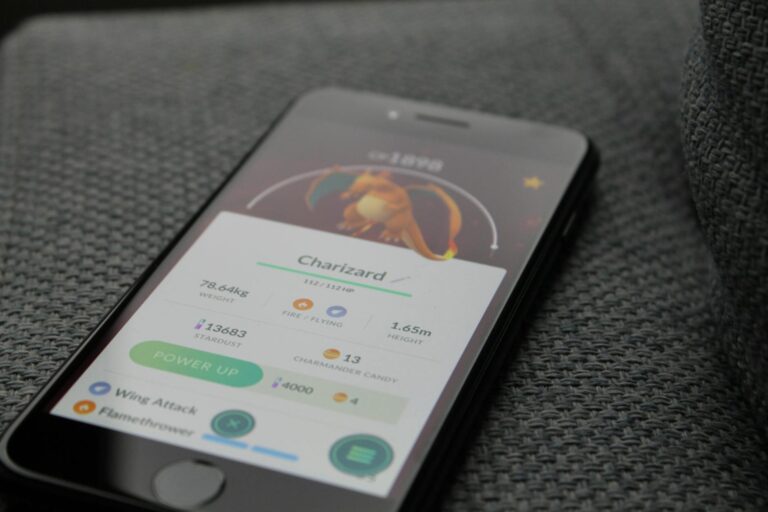
Finding the **card set and number** for pricing trading cards is a fundamental step for collectors and sellers to accurately identify and value their cards. This process involves understanding how cards are organized within their respective games or series, recognizing the symbols and numbering systems used, and using reliable tools and resources to confirm details and current market prices.
**Step 1: Identify the Card Set**
Every trading card belongs to a specific set or series, which is often indicated by a unique symbol or code printed on the card. This set identification is crucial because the same card name can appear in multiple sets with different values.
– For example, in Pokémon cards, the set symbol is usually found on the right side of the card, near the bottom, next to the card number. First edition cards belong to the iconic Base Set, which typically has 102 cards, and the first edition symbol is a small black circle with a “1” inside it near the card’s artwork[1].
– In Magic: The Gathering, the set symbol is located on the right side of the card’s name bar. Each set has a unique icon, and the card number is usually at the bottom of the card. This helps distinguish cards from different expansions or printings[3].
– Sports cards often include the year, league, and set name on the back or front of the card. The card number is usually printed on the back, which helps identify its position within the set[4].
**Step 2: Locate the Card Number**
The card number is typically printed as a fraction, such as “23/102,” where the numerator is the card’s number in the set and the denominator is the total number of cards in that set. This numbering helps collectors know exactly which card they have and its rarity or place in the collection.
– For Pokémon cards, the number is usually at the bottom right corner of the card. Shadowless and first edition cards have distinct numbering and symbols that affect their value[1][7].
– Magic cards have their number at the bottom left or right, depending on the printing. The number helps verify the card’s edition and printing run[3].
– Sports cards also use numbering systems that can be found on the back or front, often near the copyright or manufacturer’s information[4].
**Step 3: Use Digital Tools and Apps for Identification and Pricing**
Modern technology offers powerful tools to simplify card identification and pricing:
– Apps like **TCGSnap** and **MonPrice** allow users to scan cards using their phone cameras. These apps instantly identify the card’s name, set, rarity, and provide real-time market values sourced from major marketplaces like TCGPlayer and CardMarket[2][5].
– **Sports Card Value Identifier** apps use advanced image recognition to identify sports cards from major leagues and sets, providing current market valuations based on condition and rarity[4].
– Online databases such as **Beckett Collectibles** and **Trading Card Database (TCDB)** offer extensive archives, price guides, and grading services. Beckett, in particular, is a trusted source for grading and authenticating cards, which directly impacts pricing[6][8].
**Step 4: Understand Card Condition and Grading**
The condition of a card significantly influences its price. Grading services assess cards on factors like centering, edges, surface, and corners. Professional grading companies like Beckett provide official grades that can increase a card’s value.
– For Magic cards, tools like magnifiers, UV black lights, and digital microscopes help verify authenticity and condition. The “Green Dot Test” is a specific method to detect counterfeit Magic cards by examining print patterns under magnification[3].
– Pokémon and sports cards also benefit from professional grading, which certifies the card’s condition and authenticity, often increasing market value[6].
**Step 5: Cross-Reference Prices from Multiple Sources**
Prices can vary between marketplaces and over time. To get an accurate valuation:
– Check multiple sources such as TCGPlayer, CardMarket, Beckett, and PokeDATA for Pokémon cards. These platforms update prices frequently based on recent sales and market trends[5][6][7].
– Use apps that track price changes and provide historical data to understand market fluctuations and make informed buying or selling decisions[2][5].
**Additional Tips**
– Always verify the card’s authenticity before pricing, especially for high-value cards, using tools and expert services.
– Keep track of your collection digitally to monitor value changes and organize your cards efficiently.
– Learn the specific symbols and numbering conventions for the card game or sport you collect, as these vary widely.
By carefully identifying the card set and number, using trusted digital tools, understanding grading and condition, and cross-referencing prices from authoritative sources, collectors and sellers can accurately price their trading cards with confidence.