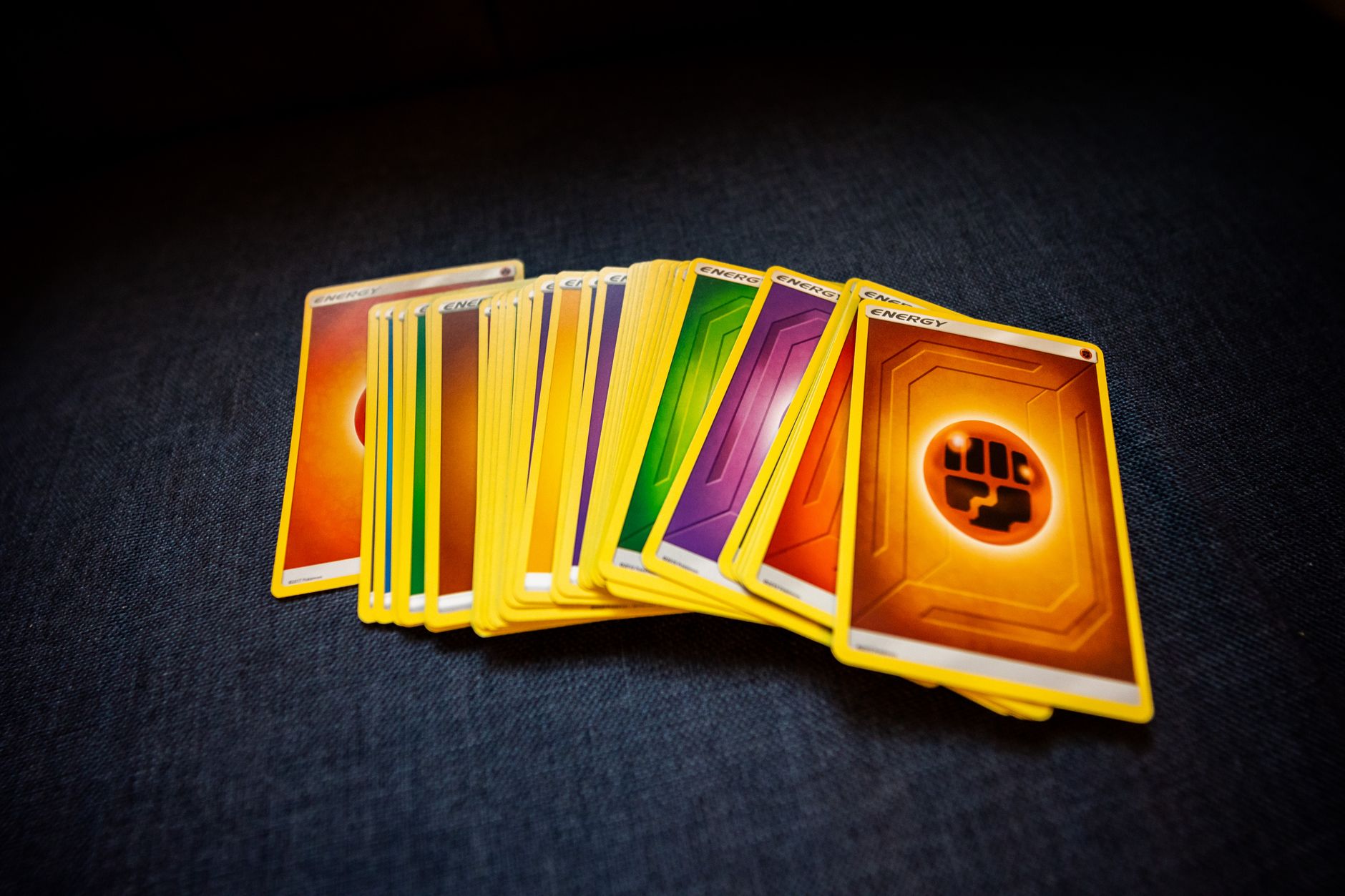
Check the factory wrap, print quality, and official markings against a known authentic tin before you buy. A Pokemon tin is a sealed metal box sold with booster packs and usually a featured promo card. Use the product name to learn what packs and promos belong inside. If the wrap, contents, or seller photos do not match that product, pause the purchase.
Table of Contents
- What belongs inside a legitimate tin?
- What should the tin and printing look like?
- How do you check the seal and wrap?
- How do you judge the seller and listing?
- What are the most common red flags?
- Frequently Asked Questions
What belongs inside a legitimate tin?
An authentic tin holds factory-sealed booster packs plus the promo card shown for that product. Many tins also include an online code card or small insert. Contents change by product line, so one tin does not prove another.
Match the listing to the exact tin name, set names, and pack count on the package. A missing promo, mixed pack types, or loose cards points to a reseal or a repackaged used tin. Ask for photos of the sealed packs before payment when buying secondhand.
What should the tin and printing look like?
Authentic tins use sturdy metal with a snug lid and smooth edges. Artwork looks sharp, colors look even, and edges line up cleanly around the sides and bottom. Look for clean Pokemon branding, correct spelling, and legal and manufacturer lines on the bottom or back.
Blurry art, crooked logos, thin metal, rough seams, or spelling errors are warning signs. Compare the tin in hand or in photos with the same product from a trusted retailer. Small wear from storage is normal, while wrong fonts or missing markings are not.
How do you check the seal and wrap?
New tins leave the factory in tight, clear plastic with neat seams. The wrap should cling evenly, without loose folds, extra tape, glue marks, burn holes, or a second layer.
Online listings need extra care because wrap glare can hide flaws. Request angled photos and decline the sale if the seller uses only stock images.
- Ask for clear photos of the front, back, bottom, seams, and any tear strip.
- Look for even tension, straight seams, and intact corners.
- Avoid tins with cloudy rewrap, cut-and-taped openings, or sticky residue.
- In person, feel for loose plastic and check for an opened lid underneath.
How do you judge the seller and listing?
Buy from established hobby shops, large retailers, or sellers with clear return terms when possible. Check how long the seller has sold cards and whether reviews mention reseals, missing packs, or switched items. Read the full listing for words such as used, display, repack, custom, or empty.
Those terms often mean the tin has no sealed packs, even when the photos look appealing. Ask direct questions about where the tin came from and whether the wrap is original. A reliable seller answers plainly and shows the actual item, while pressure to pay fast is a reason to walk away.
What are the most common red flags?
Resealed tins often have loose wrap, packs from mismatched sets, opened pack wrappers, or no promo card. A rattling lid, bent corners under tight plastic, or packs visible through a gap also need a closer check. Fake tins often show dull printing, wrong pack construction, off-center energy symbols, or missing legal text.
Very light metal, sharp raw edges, or a lid that will not close can signal an imitation container. Treat any mismatch as enough reason to stop. Keep photos, messages, and receipts until you have opened and checked the contents.
Frequently Asked Questions
Should I buy a tin without factory wrap?
Only buy an unwrapped tin as a used container or for loose packs, not as a sealed product. Confirm exactly what packs and promos are included.
Can pack weight prove a tin is authentic?
No, weight does not prove authenticity and can mislead buyers. Check wrap, printing, markings, and seller evidence instead.
What should I do if the contents look wrong after opening?
Stop opening packs, photograph everything, and save receipts and messages. Contact the seller or store promptly about a return.
You Might Also Like
- How to Authenticate Vintage Pokemon Cards Before Investing
- Tins: How to Check Current Pokemon TCG Market Value
- Why Do First Edition Pokemon Cards Command a Premium?