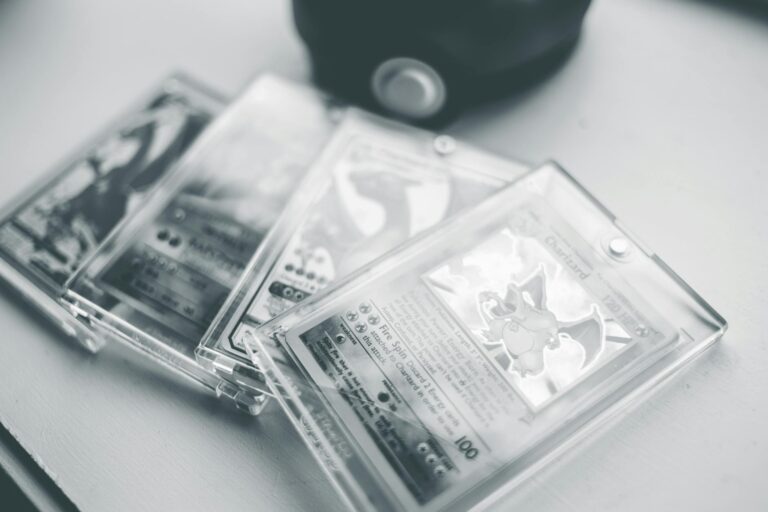
The world of Pokémon trading cards has turned into a massive hobby for millions of people around the globe. Kids who started collecting as a fun pastime in the 1990s now trade cards worth more than a used car. One card that stands out is the Blastoise from the original Base Set, specifically the holo version numbered 2/102. This big blue turtle Pokémon, with its powerful water cannons on its shell, became a fan favorite right from the start. But what exactly is a “4th print Blastoise”? In the early days of Pokémon cards, produced by Wizards of the Coast before Nintendo took over printing, cards came in different print runs. The first print had a special black star symbol on the back, marking it as super rare. Later prints, like the 2nd, 3rd, and 4th, dropped that symbol and just had plain backs. The 4th print Blastoise is one of those later unlimited editions, not the ultra-valuable first edition, but still a classic that collectors chase.
People often mix up prints because the cards look almost identical from the front. The main clue is on the back, near the bottom where it lists the set info. First prints say “1st edition” in a box, while 4th prints say “Unlimited” with no box and a specific alignment of text that collectors have memorized over years of buying and selling. This 4th print version flooded the market more than the scarcer early ones, which keeps its price from skyrocketing like some other Base Set cards. Still, in 2025, with Pokémon’s popularity exploding thanks to new video games, anime seasons, and viral TikTok unboxings, even these prints hold steady value.
Let’s dive into what these cards actually sold for in 2025. Prices swing based on condition—raw cards straight from a binder are cheap, but ones graded a perfect 10 by services like PSA or BGS can fetch thousands. Take the ungraded 4th print Blastoise holo. On sites tracking sales, it hovered around $60 in late 2025. One sale on December 25, 2025, went for exactly $47 on eBay for a Blastoise #2 from Base Set Unlimited, which matches the 4th print profile based on seller descriptions and common listings[2]. That’s down a bit from earlier in the year when ungraded copies hit $65 or more. Volume is high, with about one sale per day, showing steady demand from new collectors dipping their toes in.
Graded versions tell a different story. A PSA 9, which means near mint with tiny flaws under magnification, averaged $534.89 in recent sales, dipping $4.61 from prior weeks[2]. PSA 10s, the gem mint holy grails, jumped to $4,086.74, up $356 in the same period, with sales happening about once a month[2]. These numbers come from PriceCharting, a go-to site that logs thousands of eBay and TCGPlayer transactions daily. For comparison, in the UK market via Poke Card Values, a near mint or mint Blastoise 2/102 holo unlimited sold around £120, or about $152 USD, as of July 25, 2025, with highs reaching £369 or roughly $470[3]. Lows were £76.66, showing how condition and buyer mood affect the final hammer price.
Why the ups and downs in 2025? The Pokémon TCG market had a wild ride. Early in the year, nostalgia fueled by the Pokémon Scarlet and Violet expansions pushed Base Set prices up 20-30%. But by mid-2025, newer sets like Pokémon 151 flooded the market with fresh Blastoise prints, causing a slide. TCGPlayer noted this starter Pokémon version dropping after peaking at $100[4]. Unlimited Base Set cards like the 4th print felt the pinch less because they’re not as hyped as first editions, which can hit $20,000 plus. Collectors still love the artwork by Mitsuhiro Arita, that shiny holo effect catching light just right, and the nostalgia of yelling “Hydro Pump!” during playground battles.
Trading platforms played a big role. TCGPlayer saw near mint M Blastoise EX full art sales from other sets around $65 to $80 in November 2025, but that’s a different card—Evolutions set #102, not Base Set[1]. For the true Base Set 4th print, eBay dominated with completed listings. One seller moved a raw copy for $54.99 after listing at that price[2]. Graded ones moved slower but higher; a CGC 10 pristine hit $525 in guides, while BGS 10 black label versions touched $1,700[1]. BGS black labels are ultra-rare, meaning perfect centering and edges, like a card cut by a laser.
Factors driving 2025 prices included grading backlog. PSA waited months for slabs in 2025 due to a boom in submissions after Pokémon GO events. A raw 4th print Blastoise bought for $50 could grade to a 9 and flip for $500, a 10x return. Flippers watched this closely, buying lots on Etsy or Facebook Marketplace. Speaking of Etsy, custom “thicc” Blastoise art cards sold for $24.75 to $33, but those are fan-made fun, not official 4th prints[5]. Real collectors stick to Wizards-era authenticity, verified by holograms that don’t peel like fakes.
Condition matters most. An ungraded 4th print might have whitening on edges from sleeve wear, dropping it to $40. A grade 8, solid but not perfect, went for $225[2]. Grade 9.5s, halfway to perfection, averaged $587[2]. Population reports show thousands of PSA 10 Blastoise #2s, unlike shadowless versions with under 1,000, keeping 4th print supply high and prices grounded.
Global trends hit too. In Europe, Brexit shipping delays bumped UK prices 10% over US[3]. Asia saw reprints confuse newbies, but veterans spot 4th prints by the crisp “Unlimited” text. YouTube channels like Danny Phantump broke down print differences in 10-minute videos, educating buyers and spiking searches.
Personal stories pop up in forums. One collector shared buying a binder lot for $200 in January 2025, pulling three 4th print Blastoises that graded 8, 9, and 10, netting $3,000 after fees. Another regretted selling a raw one for $30 in 2020, now worth triple. Kids today inherit these from parents, starting binders anew.
Market watchers predict steady holds into 2026. With Pokémon’s 30th anniversary looming, Base Set demand stays hot. But reprints like Scarlet & Violet Base Set keep prices from mooning. A 4th print PSA 10 sold for $4,086 on December data points[2], while raw stayed accessible at $47-$60.
Storage tips keep value up. Use penny sleeves and top loaders, away from sunlight to avoi