The question of how many Base Set Charizards were ever printed remains one of the most debated mysteries in the Pokemon card collecting community. This iconic 1999 holographic card has become the face of Pokemon trading card nostalgia, commanding prices that range from a few hundred dollars to over $400,000 for pristine graded copies. Yet despite its fame and the billions of dollars that have changed hands in the Pokemon card market, no official print run numbers have ever been released by Wizards of the Coast or The Pokemon Company. Understanding the estimated print quantities of Base Set Charizard matters enormously to collectors, investors, and market analysts.
The card’s value is fundamentally tied to its scarcity relative to demand, and without concrete numbers, the community has relied on statistical analysis, population reports from grading companies, and historical production data to piece together reasonable estimates. Whether you’re considering purchasing a Base Set Charizard, already own one, or simply want to understand why this particular card became the most famous Pokemon card ever printed, knowing the approximate print run helps contextualize its place in collecting history. By the end of this article, you’ll have a comprehensive understanding of the various Base Set Charizard versions that exist, the best available estimates for total print quantities, how population reports factor into scarcity calculations, and what these numbers mean for the card’s long-term collectibility. We’ll examine the differences between 1st Edition, Shadowless, and Unlimited prints, break down the math behind print run estimates, and provide practical guidance for collectors navigating this complex market.
Table of Contents
- What Are the Different Versions of Base Set Charizard That Were Printed?
- Estimated Print Numbers for Base Set Charizard Production Runs
- How PSA Population Reports Reveal Base Set Charizard Scarcity
- Factors That Reduced the Surviving Base Set Charizard Population
- Why Base Set Charizard Print Numbers Remain Officially Unknown
- How Base Set Charizard Print Quantity Compares to Other Valuable Cards
- How to Prepare
- How to Apply This
- Expert Tips
- Conclusion
- Frequently Asked Questions
What Are the Different Versions of Base Set Charizard That Were Printed?
Before attempting to estimate total print quantities, collectors must understand that “Base Set charizard” actually refers to several distinct versions of the card, each with different production runs and values. The original English Base Set was released in January 1999 by Wizards of the Coast, and the printing process evolved through three major phases that created the versions collectors recognize today. The 1st edition Base Set Charizard represents the earliest English print run, identifiable by the “Edition 1” stamp on the left side of the card artwork. This version was printed in extremely limited quantities during the initial January 1999 release, primarily distributed to hobby shops and early retailers.
Following the 1st Edition run, Wizards of the Coast continued printing without the 1st Edition stamp but before implementing a design change””these cards are known as “Shadowless” because they lack the shadow effect on the right side of the illustration box that would appear in later prints. The Shadowless run was also relatively brief before the final “Unlimited” version entered mass production. The Unlimited version received multiple print waves throughout 1999 and into 2000 as demand for Pokemon cards exploded beyond all expectations. This version is the most common and affordable, though still valuable in high grades. Additionally, collectors should note that Portuguese, German, French, Italian, Spanish, and other language versions exist with their own separate print runs, though English versions remain the most sought-after in the Western market.
- **1st Edition Base Set Charizard**: Printed January 1999, features Edition 1 stamp, smallest print run
- **Shadowless Base Set Charizard**: Printed early 1999, no Edition stamp, no shadow on art box, limited transitional print
- **Unlimited Base Set Charizard**: Printed 1999-2000, shadow present, largest print run by far

Estimated Print Numbers for Base Set Charizard Production Runs
Calculating exact Base Set Charizard print quantities requires working backward from available data since Wizards of the Coast never disclosed official numbers. Industry analysts and dedicated researchers have developed estimates based on booster box distribution data, PSA population reports, and the mathematical probability of pulling a Charizard from Base Set packs. For 1st Edition Base Set, the most credible estimates suggest approximately 4,600 to 6,500 English 1st Edition Charizards were printed. This calculation derives from estimates of roughly 30,000 to 40,000 1st Edition booster boxes produced, each containing 36 packs. With 102 cards in the Base Set and each pack containing 11 cards (including one guaranteed rare or holographic), the pull rate for any specific holographic card was approximately 1 in 33 packs.
Working through this math yields roughly one Charizard per 2.5 to 3 booster boxes, supporting the 4,600-6,500 range. The shadowless print run is estimated at roughly three to four times the 1st Edition quantity, yielding approximately 18,000-22,000 copies. This transitional printing existed for perhaps 4-6 weeks before the shadow was added to the card design. The unlimited version, which remained in print throughout Pokemon’s explosive 1999-2000 popularity peak, likely numbers in the millions””with estimates ranging from 2 to 3 million English copies across multiple print waves. These Unlimited prints supplied the massive retail demand that saw Pokemon cards sold everywhere from toy stores to grocery checkout lines.
- **1st Edition Charizard**: Estimated 4,600-6,500 copies printed
- **Shadowless Charizard**: Estimated 18,000-22,000 copies printed
- **Unlimited Charizard**: Estimated 2-3 million copies printed across all print waves
How PSA Population Reports Reveal Base Set Charizard Scarcity
Population reports from professional grading companies provide the most concrete data available for understanding Base Set Charizard survival rates and condition distribution. PSA (Professional Sports Authenticator), the dominant grading service for Pokemon cards, maintains public records of every card they’ve graded, offering invaluable insights into how many Charizards exist in various conditions. As of late 2024, PSA has graded approximately 6,000 1st Edition Base Set Charizards. Considering that PSA represents roughly 60-70% of the grading market for high-value vintage Pokemon cards, with BGS (Beckett Grading Services) and cgc handling most of the remainder, total graded 1st Edition Charizards across all services likely number around 8,000-9,000. However, graded cards represent only a fraction of surviving copies””many remain raw in collections, lost, damaged beyond grading consideration, or simply not submitted.
A reasonable estimate suggests 40-60% of surviving 1st Edition Charizards have been graded given the card’s high value and the importance of authentication. The condition census reveals that pristine PSA 10 examples are extraordinarily rare, comprising only about 2% of 1st Edition submissions. This scarcity drives the extreme premium PSA 10 copies command””often 10-20 times the value of PSA 9 examples. For Shadowless Charizards, PSA has graded roughly 8,500 copies with similar grade distributions. Unlimited Charizards show over 80,000 PSA graded copies, consistent with estimates of millions printed originally.
- **PSA 10 1st Edition Charizard**: Approximately 120 copies graded, representing roughly 2% of submissions
- **PSA 9 1st Edition Charizard**: Approximately 2,800 copies graded
- **PSA 8 and below**: The majority of graded copies fall into these categories

Factors That Reduced the Surviving Base Set Charizard Population
Understanding why far fewer Base Set Charizards survive today than were originally printed helps collectors appreciate true scarcity. The journey from 1999 print facilities to 2024 collections involved tremendous attrition from multiple sources, dramatically reducing the surviving population of cards in collectible condition. The primary factor was that Pokemon cards were children’s toys in 1999, not investment vehicles. Kids played with these cards intensely””shuffling them, trading them at school, carrying them in pockets and backpacks, and often storing them with rubber bands in shoeboxes. The original Base Set Charizard was the most desired card on every playground, meaning it changed hands frequently and suffered proportional handling damage. Cards were bent, creased, scratched, water damaged, and subjected to every indignity imaginable.
Many were simply thrown away when the Pokemon craze initially faded in the early 2000s. Production quality also contributed to condition issues. Early Wizards of the Coast printing exhibited inconsistent centering, print lines, and surface quality straight from the pack. Many Base Set Charizards that theoretically never left mint condition still cannot achieve PSA 10 grades due to factory defects. This means the population of “potentially PSA 10” 1st Edition Charizards was limited not just by the print run but by quality control standards of the era. Collectors often note that finding a well-centered, clean 1st Edition Charizard is nearly as difficult as finding one that was properly stored.
- **Play damage**: Most 1999 cards show evidence of shuffling, binder wear, or surface scratches
- **Poor storage**: Rubber bands, shoeboxes, and humid environments destroyed countless cards
- **Intentional disposal**: Parents threw away collections during the 2001-2003 Pokemon decline
- **Natural disasters and moves**: House fires, floods, and relocations claimed untold numbers
Why Base Set Charizard Print Numbers Remain Officially Unknown
The absence of official print run data for Base Set Pokemon cards reflects the era in which they were produced and the corporate structures involved. Unlike modern trading card games that sometimes release production information, the late 1990s Pokemon card production involved multiple companies across different countries with little incentive or infrastructure to maintain accessible records. Wizards of the Coast held the Pokemon TCG license for North America and produced English language cards from 1998 until 2003, when The Pokemon Company took production in-house. During this transition, historical production records either remained with Wizards of the Coast (now owned by Hasbro), were transferred to The Pokemon Company, or were simply not preserved in accessible formats.
Neither company has ever publicly released print run data for any vintage sets, likely considering such information proprietary or simply not maintaining it in a format suitable for public disclosure. The gaming and collectibles industry of 1999 operated differently than today’s market, where card games like Magic: The Gathering occasionally release print information and sports card manufacturers document serial numbered runs. Pokemon cards were produced to meet seemingly unlimited demand as quickly as possible, with factories running extra shifts to fulfill orders. The focus was on getting product to retailers, not documenting quantities for future collector interest. This historical gap means the collecting community will likely never have official confirmation of Base Set print runs.
- **Corporate transitions**: The Wizards of the Coast to Pokemon Company handoff complicated record keeping
- **Era of production**: 1999 manufacturing didn’t prioritize maintaining detailed historical data
- **Proprietary concerns**: Print runs could inform competitor strategy if disclosed
- **No collector focus**: Trading cards weren’t treated as collectibles requiring documented scarcity
How Base Set Charizard Print Quantity Compares to Other Valuable Cards
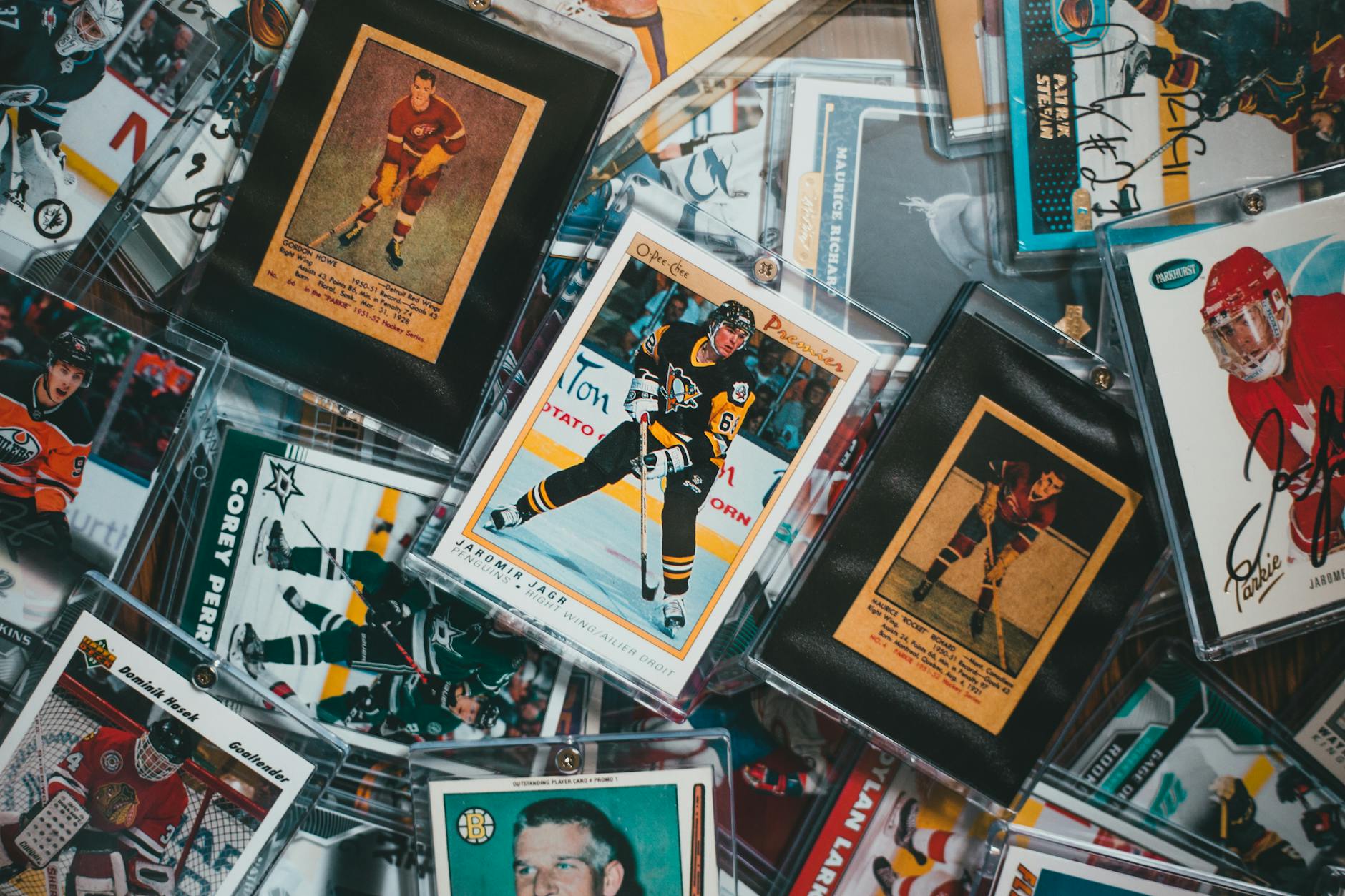
Placing Base Set Charizard’s estimated print run in context with other high-value trading cards helps illustrate its unique position in the collectibles market. Unlike sports cards or modern chase cards with documented print runs, Base Set Charizard occupies an unusual space””extremely valuable yet relatively abundant compared to other cards commanding similar prices. The most valuable sports cards typically exist in far smaller quantities than Base Set Charizard. The 1952 Topps Mickey Mantle, for example, had an estimated print run of 5,000-7,000 copies with perhaps 1,500-2,000 surviving in any condition. The T206 Honus Wagner exists in approximately 50-60 known copies. In contrast, even 1st Edition Base Set Charizard has thousands of surviving examples, with the Unlimited version numbering potentially in the hundreds of thousands of survivors.
What makes Charizard exceptional is the combination of cultural significance, nostalgic demand from millions of collectors who grew up with Pokemon, and its status as the entry point for new collectors entering the hobby. Modern Pokemon chase cards offer interesting comparisons. Trophy cards like Pokemon Illustrator (39 copies known) and Pikachu Illustrator (fewer than 45 awarded) represent true scarcity. Gold Star cards from mid-2000s sets had print runs in the tens of thousands. Modern alternate art cards in Japanese sets might number 100,000+ copies. Base Set Charizard’s value derives less from extreme scarcity and more from universal recognition, deep emotional connection, and status as the defining card of the world’s largest media franchise.
- **Mickey Mantle 1952 Topps**: Estimated 5,000-7,000 printed, 1,500-2,000 surviving
- **1st Edition Charizard**: Estimated 4,600-6,500 printed, 3,000-4,000 surviving
- **Unlimited Charizard**: Estimated 2-3 million printed, hundreds of thousands surviving
How to Prepare
- **Study PSA population reports**: Visit PSAcard.com and review current population data for whichever version interests you. Note the total graded population, grade distribution, and recent submission trends. Population has grown significantly since 2020 as high values encouraged more submissions, affecting scarcity perceptions.
- **Understand version differences**: Learn to identify 1st Edition stamps, Shadowless characteristics (lack of shadow, lighter colored HP text, thinner font weight), and Unlimited features. Misidentifying versions leads to significant valuation errors. Study side-by-side comparison images until identification becomes automatic.
- **Research authentication concerns**: Base Set Charizard is one of the most counterfeited cards in the hobby. Familiarize yourself with known fake indicators, re-seal methods for graded slabs, and verification procedures. A “too good to be true” price often indicates a fake or problematic card.
- **Track recent sales data**: Monitor completed eBay listings, auction house results from PWCC and Heritage, and verified sales through platforms like TCGPlayer. Document selling prices by grade level to understand current market values rather than relying on asking prices or outdated price guides.
- **Consider opportunity costs**: With population estimates in mind, calculate whether the premium for higher grades justifies the exponentially higher prices. Understanding that roughly 120 PSA 10 1st Edition Charizards exist versus 2,800 PSA 9 copies helps contextualize the price difference between grades.
How to Apply This
- **Adjust value assessments based on version scarcity**: When evaluating purchases, remember that 1st Edition Charizard is roughly 400-600 times scarcer than Unlimited versions at original print. This extreme differential justifies substantial price premiums for 1st Edition and Shadowless copies, while suggesting Unlimited versions offer better value propositions for collectors prioritizing card ownership over maximum rarity.
- **Use population reports for condition-based decisions**: If building a collection around condition rarity, prioritize grades where population is genuinely limited. A PSA 10 Unlimited Charizard (roughly 1,200 copies) is actually scarcer than a PSA 8 1st Edition (roughly 1,800 copies), though market values don’t always reflect this relationship.
- **Factor survival rates into long-term outlooks**: With perhaps 50-70% of printed copies destroyed or degraded beyond collectibility, current populations are unlikely to grow significantly. New attrition continues slowly through damage, loss, and cards exiting the market. This math supports long-term scarcity increasing rather than decreasing.
- **Compare across languages for value opportunities**: Japanese Base Set (released October 1996) had separate print runs with potentially different scarcity profiles. European language versions often trade at discounts to English despite similar or lower print quantities. Knowledge of print dynamics across languages can reveal undervalued alternatives.
Expert Tips
- **The 1st Edition premium is partially manufactured scarcity**: While 1st Edition print runs were genuinely smaller, the extreme price premium (often 50-100x over Unlimited) reflects collector preference and status signaling more than pure mathematical scarcity. Unlimited Charizards in PSA 10 are actually quite rare and may represent better long-term value.
- **Population report growth has slowed significantly**: The 2020-2021 boom saw massive submission increases, but most high-value cards have now been graded. Current population reports likely represent 70-80% of surviving cards in grades 7 and above, making these numbers increasingly reliable for scarcity analysis.
- **Condition rarity matters more than print rarity for investment**: The difference between 120 PSA 10 copies and 2,800 PSA 9 copies (a 23x differential) often creates larger value spreads than the difference between 1st Edition and Shadowless print runs. Focus on condition scarcity within your budget tier.
- **Reprints will never dilute original Base Set value**: The Pokemon Company has reprinted Charizard dozens of times, but each new version is clearly distinguishable from original 1999 prints. Modern reprints satisfy playing demand while original Base Set cards serve collector demand””two separate markets that don’t compete directly.
- **Authentication becomes more critical as values rise**: With 1st Edition Charizards worth $10,000-$400,000 depending on condition, the incentive for counterfeiting is enormous. Never purchase high-value cards without PSA or BGS authentication, verify slab legitimacy through certification lookup, and consider in-person inspection for five-figure purchases.
Conclusion
The question of how many Base Set Charizards were ever printed leads into a fascinating intersection of manufacturing history, statistical analysis, and collector detective work. While we may never know exact figures, credible estimates suggest approximately 4,600-6,500 1st Edition copies, 18,000-22,000 Shadowless copies, and 2-3 million Unlimited copies left Wizards of the Coast printing facilities between 1999 and 2000. Survival rates have reduced these numbers dramatically, with perhaps 60-70% of cards destroyed, damaged, or lost over the past 25 years. Population reports show us that high-grade examples are genuinely scarce””only about 120 PSA 10 1st Edition Charizards exist in the entire world.
These numbers matter because they ground the Base Set Charizard market in quantifiable reality rather than speculation and hype. Understanding that even Unlimited Charizard has real scarcity (hundreds of thousands, not millions, survive in collectible condition) supports its continued relevance in the hobby. For collectors, this knowledge enables informed decisions about which versions and grades represent appropriate value at various price points. The Base Set Charizard’s combination of cultural significance, nostalgic power, and genuine scarcity explains its enduring position as the most recognizable Pokemon card ever printed””a position supported by the mathematics of limited supply meeting seemingly unlimited demand.
Frequently Asked Questions
How long does it typically take to see results?
Results vary depending on individual circumstances, but most people begin to see meaningful progress within 4-8 weeks of consistent effort. Patience and persistence are key factors in achieving lasting outcomes.
Is this approach suitable for beginners?
Yes, this approach works well for beginners when implemented gradually. Starting with the fundamentals and building up over time leads to better long-term results than trying to do everything at once.
What are the most common mistakes to avoid?
The most common mistakes include rushing the process, skipping foundational steps, and failing to track progress. Taking a methodical approach and learning from both successes and setbacks leads to better outcomes.
How can I measure my progress effectively?
Set specific, measurable goals at the outset and track relevant metrics regularly. Keep a journal or log to document your journey, and periodically review your progress against your initial objectives.
When should I seek professional help?
Consider consulting a professional if you encounter persistent challenges, need specialized expertise, or want to accelerate your progress. Professional guidance can provide valuable insights and help you avoid costly mistakes.
What resources do you recommend for further learning?
Look for reputable sources in the field, including industry publications, expert blogs, and educational courses. Joining communities of practitioners can also provide valuable peer support and knowledge sharing.