Different age groups approach Pokemon card collecting with distinct motivations, budgets, and priorities that fundamentally shape their behavior in the hobby. Children typically chase the excitement of opening packs and owning cards featuring their favorite Pokemon, while teenagers often transition toward competitive play or completing sets. Adults, particularly those in their late twenties through forties, frequently collect with nostalgia as a primary driver and investment potential as a secondary consideration””a thirty-five-year-old collector hunting down a Base Set Charizard is operating from an entirely different mindset than an eight-year-old trading cards on the playground. These generational differences create fascinating dynamics in the Pokemon card market.
A child might value a holographic card of Pikachu purely because it looks cool, while an adult collector evaluates the same card based on its PSA grade potential, print run scarcity, and historical price trends. Understanding these divergent approaches matters whether you’re a parent trying to guide a young collector, a seller figuring out your target market, or a collector yourself trying to understand why certain cards command the prices they do. This article examines how each major age bracket engages with Pokemon card collecting, from the youngest collectors just entering the hobby through seasoned adults who have been collecting since 1999. We’ll explore what drives each group, how their budgets and risk tolerance differ, the role of nostalgia versus speculation, and how the market has evolved to cater to these varied demographics.
Table of Contents
- What Motivates Children and Teenagers to Collect Pokemon Cards?
- How Nostalgia Shapes Adult Pokemon Card Collectors
- The Rise of Investment-Focused Collectors Across Age Groups
- How Budget and Risk Tolerance Vary by Generation
- Common Pitfalls Different Age Groups Face When Collecting
- How Family Collecting Bridges Generational Divides
- Where Different Generations Will Take Pokemon Collecting
- Conclusion
What Motivates Children and Teenagers to Collect Pokemon Cards?
For collectors under eighteen, the appeal of Pokemon cards is almost entirely experiential rather than financial. Children between six and twelve typically collect because they love the Pokemon franchise itself””the games, the anime, the characters. The tactile experience of opening a booster pack, the social currency of trading with friends at school, and the simple joy of owning a shiny card featuring a beloved Pokemon drive their collecting habits. A ten-year-old doesn’t care that their Radiant Charizard might appreciate in value; they care that it looks incredible and that their friends will be impressed. Teenagers represent a transitional demographic where motivations begin to shift. Many teenage collectors become interested in the competitive Trading Card Game, which introduces an entirely different value system based on playability rather than aesthetics or rarity.
A card that’s worthless to a child collector or an adult investor might be highly sought after by a fifteen-year-old building a competitive deck. However, teenagers also begin developing awareness of card values and market dynamics, often tracking prices online and making their first forays into buying and selling individual cards rather than just opening sealed product. The limitation for both groups is obvious: budget constraints. Children depend on allowances, birthday gifts, and parental generosity, which typically means they’re purchasing booster packs from retail stores rather than expensive singles or graded cards. This actually serves younger collectors well, as the randomized nature of pack opening delivers excitement regardless of the cards’ market value. A child who pulls a $3 rare is just as thrilled as one who pulls a $30 ultra rare””the dopamine hit comes from the experience, not the price guide.

How Nostalgia Shapes Adult Pokemon Card Collectors
Adults who collected Pokemon cards during the original 1999-2003 era represent one of the most influential demographics in today’s market. These collectors, now typically in their late twenties through early forties, approach the hobby through a lens of nostalgia that younger collectors simply cannot replicate. For them, a Base Set Blastoise isn’t just a piece of cardboard with market value””it’s a direct connection to childhood memories, Saturday morning cartoons, and trading cards on the school bus. This emotional investment often translates to willingness to pay premium prices for cards that transport them back to that era. The nostalgia-driven collector tends to focus heavily on Wizards of the Coast-era sets (Base Set through Skyridge) and shows particular interest in cards they personally owned or coveted as children.
A common pattern involves adults repurchasing the exact cards they once owned but had to sell or give away, sometimes paying hundreds or thousands of dollars for a PSA 10 version of a card they bought for $5 in 1999. This psychological dimension creates price premiums that pure investment logic cannot explain””the market for vintage Pokemon cards reflects not just scarcity but concentrated generational demand. However, nostalgia-driven collecting has a significant limitation: it’s generationally specific and ultimately finite. The cohort of adults who experienced Pokemon’s original release is not growing, and as these collectors age, their participation in the hobby may decline. Collectors entering the hobby today without that nostalgic connection often have difficulty understanding why certain vintage cards command such premiums when modern cards feature superior artwork and printing quality. This generational disconnect suggests that the vintage market’s dynamics may shift substantially over the coming decades.
The Rise of Investment-Focused Collectors Across Age Groups
Investment-oriented collecting has surged across all age demographics since 2020, when Pokemon cards gained mainstream attention as alternative assets. This approach treats cards primarily as financial instruments rather than collectibles, with purchase decisions driven by potential returns rather than personal attachment. Investment collectors analyze print runs, population reports, market liquidity, and historical price trends before making acquisitions. A forty-year-old investment collector and a twenty-five-year-old investment collector often behave nearly identically, as financial logic transcends generational preferences. The investment approach has fundamentally changed how many collectors interact with the hobby. Rather than opening packs and enjoying the cards, investment-focused collectors often purchase sealed product specifically to hold unopened, betting that scarcity will drive future appreciation.
Graded cards, particularly those receiving PSA 10 or BGS 10 grades, became the preferred format for serious investors due to their authenticated condition and easier liquidity. This shift created entire market segments””sealed booster boxes from out-of-print sets, for example””that barely existed as collectible categories before investment interest emerged. The warning for investment-focused collectors is straightforward: Pokemon cards are not stocks, bonds, or real estate. The market is relatively illiquid, highly susceptible to sentiment shifts, and lacks the regulatory framework that governs traditional investments. The dramatic price increases of 2020-2021 were followed by equally dramatic corrections in many segments. Collectors who approached cards purely as investments, without genuine interest in the hobby itself, often found themselves holding depreciated assets they had no personal desire to keep. The most successful long-term collectors typically balance investment awareness with genuine appreciation for what they’re collecting.

How Budget and Risk Tolerance Vary by Generation
Disposable income and risk tolerance create stark contrasts in collecting behavior across age groups. A child collector might have a monthly Pokemon budget of $20-50, almost entirely spent on booster packs from the current set. A teenager might save up $100-200 for a specific single card or a booster box. An adult collector with established income might spend $500-5,000 monthly on cards, accessing market segments that younger collectors cannot reach. These budget differences don’t just affect quantity””they fundamentally change what types of collecting are possible. Consider the difference in approach to a $400 vintage booster pack. A child collector cannot access this product at all.
A teenage collector might save for months and experience genuine financial anxiety about the purchase. An adult collector with substantial income might buy several without significant concern, treating each as a calculated gamble within an entertainment budget. The same product creates entirely different psychological experiences and risk profiles depending on the collector’s age and financial situation. This disparity explains why vintage and high-end modern products are marketed almost exclusively toward adult collectors. The tradeoff between financial capacity and emotional experience deserves consideration. Adult collectors with larger budgets can access rarer cards and higher-quality specimens, but they may lose some of the pure excitement that younger collectors experience. A child who saves allowance for two months to buy a single booster pack likely experiences more joy from that purchase than an adult buying a case of booster boxes. The diminishing marginal returns of collecting at scale mean that financial capacity doesn’t translate directly to collecting satisfaction””sometimes constraints enhance rather than diminish the experience.
Common Pitfalls Different Age Groups Face When Collecting
Each age demographic encounters characteristic pitfalls in Pokemon card collecting. Children frequently damage valuable cards through improper handling and storage, not understanding that a bent corner or edge wear substantially affects value. They also tend to trade based on visual appeal rather than market value, sometimes giving away cards worth significant money for cards they simply like better. Parents of young collectors should consider providing basic card sleeves and establishing gentle guidance about card values without eliminating the fun of free trading. Teenagers often fall into the trap of chasing market hype without sufficient knowledge or patience. The desire to profit from collecting can lead to buying cards at peak prices and selling during corrections, essentially timing the market incorrectly.
Social media amplifies this tendency, as teenage collectors see influencers showcasing expensive pulls and assume that investing in Pokemon cards is an easy path to profit. The reality””that most pack openings result in losses relative to the purchase price””often becomes apparent only after substantial spending. Adult collectors face their own challenges, primarily around the sunk cost fallacy and condition perfectionism. Many adults continue buying cards to complete sets they’ve invested heavily in, even when those purchases no longer bring joy. The pursuit of PSA 10 specimens specifically can become an expensive obsession, as the price difference between a PSA 9 and PSA 10 often far exceeds the actual condition difference visible to the human eye. Adult collectors benefit from periodically reassessing whether their collecting brings genuine satisfaction or has become compulsive acquisition.
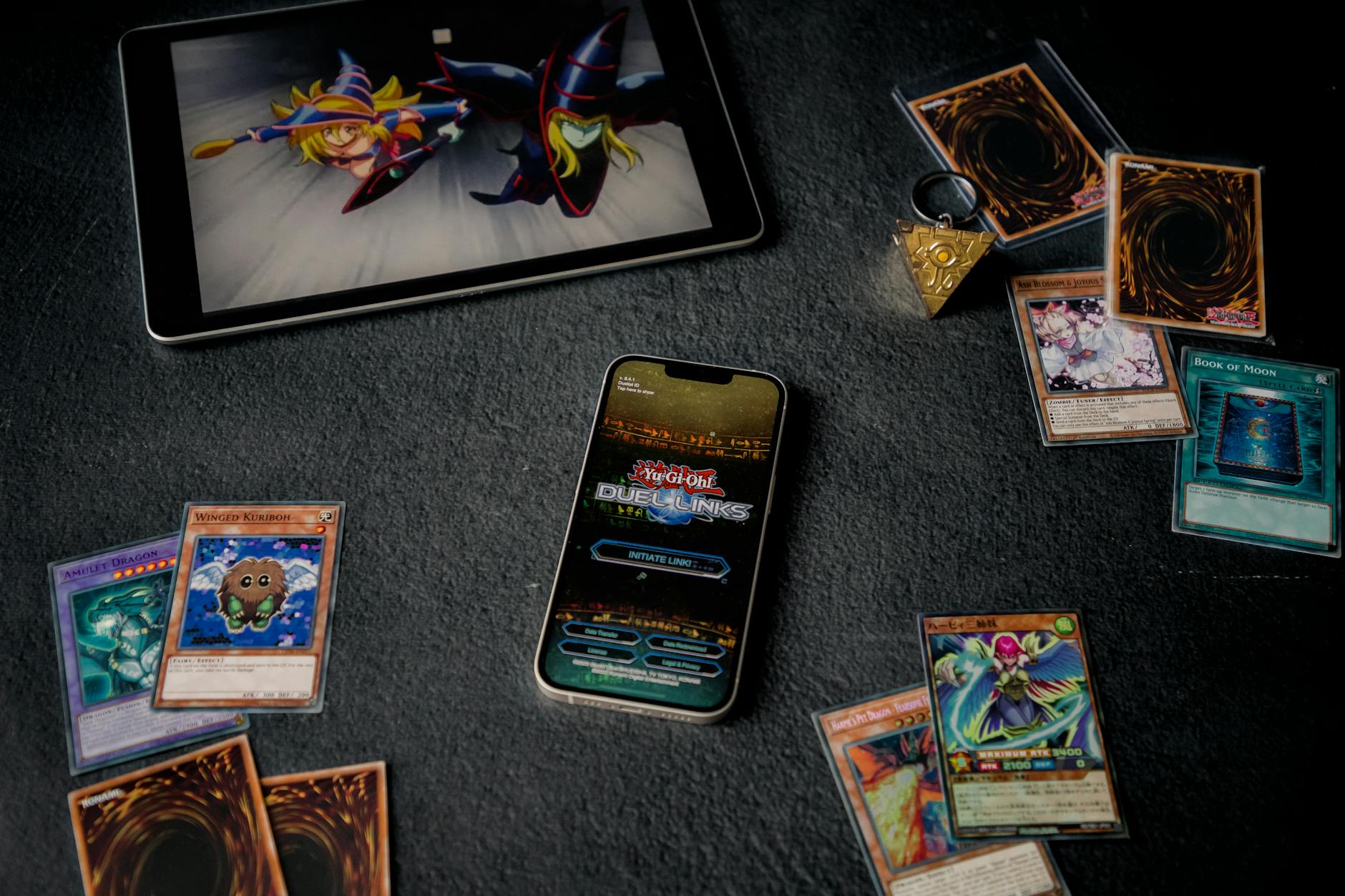
How Family Collecting Bridges Generational Divides
Multi-generational collecting within families has become increasingly common, creating unique dynamics where different age-based approaches coexist and influence each other. A parent who collected in 1999 introducing their child to Pokemon cards in 2024 experiences the hobby through both nostalgic and fresh perspectives simultaneously. These family collecting situations often produce hybrid approaches””the child’s excitement about current sets rekindling the parent’s interest, while the parent’s knowledge of card values and proper storage protecting the child’s collection.
One notable pattern involves parents purchasing vintage cards for their children, introducing kids to cards that predate their birth by decades. An eight-year-old in 2024 opening their parent’s old binder of Base Set cards experiences something akin to discovering ancient artifacts. This intergenerational transfer of collections may ultimately preserve interest in vintage cards beyond the original nostalgic generation, as children develop their own attachment to cards their parents treasured.
Where Different Generations Will Take Pokemon Collecting
The future of Pokemon card collecting will be shaped by how current generational trends evolve and new generations enter the hobby. Children collecting today will become the nostalgic adult collectors of the 2040s and 2050s, with their formative era being Scarlet and Violet rather than Base Set. The cards they consider iconic””and are willing to pay premium prices for””will differ dramatically from current vintage demand patterns. This generational succession suggests that the market’s center of gravity will shift over time, with different sets and cards cycling through periods of peak demand as their original collectors reach peak earning years.
Digital integration presents another generational divide likely to deepen. Younger collectors show greater comfort with digital ownership, including Pokemon TCG Live and potential future blockchain-based collectibles. Older collectors tend to prefer physical cards and express skepticism about digital scarcity. How Pokemon evolves its offerings across physical and digital formats will substantially influence which age demographics dominate future collecting activity. The hobby that exists in 2035 may look quite different from today’s landscape, shaped by technological shifts and the preferences of collectors not yet born.
Conclusion
Understanding how different age groups approach Pokemon card collecting reveals that no single “correct” way to collect exists. Children’s joy-focused approach, teenagers’ transitional exploration, adults’ nostalgia-driven purchases, and investors’ analytical acquisitions all represent valid engagements with the hobby. The most successful collectors at any age typically understand their own motivations clearly””whether collecting for fun, nostalgia, investment, or some combination””and make decisions aligned with those goals.
For those navigating the hobby, recognizing these generational patterns offers practical benefits. Sellers can better target their audience, parents can more effectively guide young collectors, and collectors themselves can reflect on whether their current approach serves their actual goals. The Pokemon card market’s remarkable longevity stems partly from its ability to offer meaningful experiences to collectors across the entire age spectrum, each finding something valuable in those small pieces of printed cardboard.