Logan Paul’s investment strategy in high-end collectibles centers on one core principle: buy the rarest, most iconic items in existence and hold them. That approach delivered its most dramatic payoff on February 16, 2026, when his PSA Grade 10 Pikachu Illustrator card sold at Goldin Auctions for $16,492,000, including buyer’s fees. Paul had acquired the card in July 2021 for approximately $5.275 million, making his return roughly 212 percent over less than five years.
The sale set a Guinness World Record for the most expensive trading card ever sold at auction, and it cemented Paul’s reputation as one of the most visible figures in the collectibles-as-investment movement. But the full picture of Paul’s collectibles career is far more complicated than a single headline number suggests. His track record includes a $3.5 million loss on counterfeit cards, fraud allegations against a platform he co-founded, and an NFT project that never launched. This article examines the strategy behind the Pikachu Illustrator sale, the broader market data that both supports and undermines the case for collectibles as investments, and the controversies that any collector should understand before following a similar path.
Table of Contents
- How Did Logan Paul Go from YouTube Fame to High-End Collectibles Investor?
- The Pikachu Illustrator Sale and What the Record Price Actually Means
- What Does the Data Say About Pokemon Cards as an Asset Class?
- How Should Collectors Think About Portfolio Allocation?
- The Controversies That Complicate Paul’s Track Record
- What the Scaramucci Purchase Tells Us About the Buyer Profile
- Where the High-End Pokemon Market Goes from Here
- Conclusion
- Frequently Asked Questions
How Did Logan Paul Go from YouTube Fame to High-End Collectibles Investor?
Paul’s pivot from content creator to collectibles investor was not a sudden leap. His interest in Pokemon cards became a recurring theme on his YouTube channel starting around 2020, when box-opening videos attracted millions of views and helped fuel a broader surge in Pokemon card prices. What separated Paul from other influencer collectors was the scale of his purchases. Rather than accumulating mid-tier cards, he targeted what he calls “the best of the best,” items with extremely limited supply and proven historical significance. The pikachu Illustrator card was the ultimate expression of that philosophy.
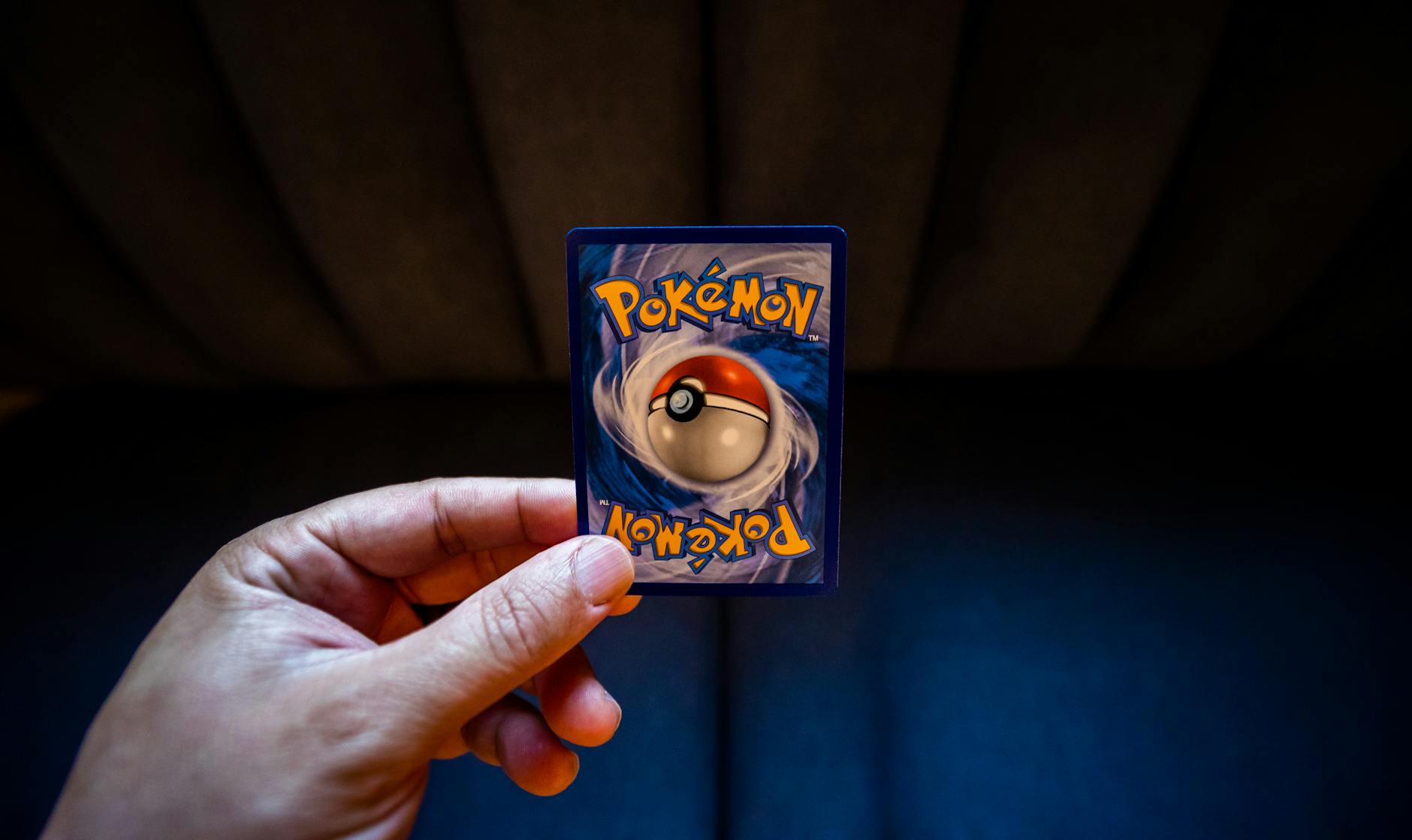
Only 39 copies were ever produced, distributed as prizes in a 1998 Japanese illustration contest. Paul’s copy is the only one ever graded PSA 10, making it a true one-of-one in terms of condition. He acquired it by trading a PSA Grade 9 version of the same card, valued at roughly $1.275 million, plus $4 million in cash. In a December 2025 interview with Fox Business, Paul laid out his thinking plainly: “If you’re young, there are ways to spend and invest your money in ways that might mean more to you than in a traditional conservative environment like the stock market.” That statement captures both the appeal and the risk of his approach. Paul is not recommending a diversified portfolio. He is advocating for concentrated bets on irreplaceable objects, a strategy that works spectacularly when the market cooperates and can be devastating when it does not.

The Pikachu Illustrator Sale and What the Record Price Actually Means
The February 2026 auction at Goldin lasted 42 days and attracted 97 total bids before closing at $16,492,000. The buyer was AJ Scaramucci, a venture capitalist and son of former White House communications director Anthony Scaramucci. The sale price includes the buyer’s premium charged by Goldin, which means Paul’s net proceeds were somewhat lower than the headline figure, though the exact commission structure has not been publicly disclosed. Setting a world record is impressive, but context matters. The Pikachu Illustrator is arguably the single most famous Pokemon card in existence, and Paul’s copy is unique at its grade level.
This is not a result that can be replicated by buying other high-end cards. Most PSA 10 vintage Pokemon cards, even first edition Base Set Charizards, trade for a small fraction of this price. The record reflects the convergence of extreme rarity, cultural significance, and the celebrity provenance that Paul himself brought to the card. Collectors considering similar purchases should understand that the Illustrator card sits in a category almost entirely by itself. However, if you are holding cards that lack that combination of factors, expecting comparable returns would be unrealistic. The Pikachu Illustrator sale is an outlier, not a benchmark for the broader market.
What Does the Data Say About Pokemon Cards as an Asset Class?
The numbers that collectibles advocates cite are real, but they require careful interpretation. According to Card Ladder data referenced by Fortune, Pokemon cards as a category are up 3,261 percent over the past 20 years, and 46 percent in the past year alone. Those figures outpace Nvidia stock, which returned roughly 35 percent in the same recent period, and the S&P 500, which returned about 17 percent year to date. paul and Goldin Auctions founder Ken Goldin appeared together on Bloomberg in December 2025 to discuss these trends, framing collectibles as a legitimate and growing asset class. But those returns reflect a specific subset of cards during a specific period.
Broader academic research paints a less exciting picture. According to AES wealth management, collectibles as an asset class returned approximately 6.4 percent nominally and just 2.4 percent in real terms annually between 1900 and 2012. AES CEO Sam Instone has stated directly that collectible returns are “far lower than the long-term rewards of investing in the equity market.” The 20-year Pokemon figure also starts from a low base when the hobby was less mainstream, and it captures a period that included the pandemic-era boom in card prices, which may not repeat. The takeaway is not that collectibles are bad investments. It is that the headline numbers tend to reflect the winners. Cards that lost value or became illiquid do not make it into the marketing materials.
How Should Collectors Think About Portfolio Allocation?
For collectors who want to treat cards as part of a broader financial strategy, expert guidance is fairly consistent. Slab Capital, a firm that analyzes collectibles markets, recommended in 2025 that collectibles should represent no more than 5 to 10 percent of an investor’s total portfolio. Their reasoning includes liquidity risk, since selling a high-value card can take weeks or months and depends on finding the right buyer. There is also concentration risk, storage and insurance costs, the potential for market bubbles, and unfavorable tax treatment, as collectibles are typically taxed as capital gains at a higher rate than stocks in many jurisdictions. Compare this to a standard index fund, which can be sold in seconds at a known price with minimal transaction costs.
The tradeoff is clear: collectibles offer the possibility of outsized returns on individual items, but they come with friction and uncertainty that traditional investments do not. Paul’s Pikachu Illustrator sale took 42 days of active bidding to complete. A seller who needed cash quickly would not have had that luxury. The practical advice for most collectors is straightforward. Collect what you love, be selective about what you treat as an investment, and do not overweight your portfolio in assets that cannot be easily liquidated. The 5 to 10 percent guideline exists for good reason.
The Controversies That Complicate Paul’s Track Record
Any discussion of Paul’s investment record has to address the failures and scandals alongside the wins. In 2022, Paul lost $3.5 million purchasing what turned out to be counterfeit Pokemon cards. He was eventually reimbursed, but the incident highlighted a real risk in the high-end collectibles market: authentication is not foolproof, and the stakes are enormous when individual items cost millions. More troubling are the allegations surrounding Liquid Marketplace, a platform Paul co-founded that allowed fractional ownership of collectibles.
Canadian authorities accused the company of “multi-layered fraud.” Buyers who purchased a 51 percent fractional stake in the Pikachu Illustrator card reportedly received no share of the $16.5 million sale proceeds, raising serious questions about how the platform operated and whether investors were protected. Then there is CryptoZoo, Paul’s NFT-based game that raised millions from supporters but never delivered a functional product. Paul eventually offered a $2.3 million buyback at 0.1 ETH per NFT, but participants were required to waive their right to sue as a condition of the refund. A class-action lawsuit alleged the project was a “rug pull.” Separately, blockchain evidence suggests Paul profited from Dink Doink, a meme coin he promoted to his audience without disclosing his role in creating it. These incidents do not erase the Pikachu Illustrator return, but they are part of the same story, and collectors should weigh them accordingly.

What the Scaramucci Purchase Tells Us About the Buyer Profile
The identity of the Pikachu Illustrator buyer is revealing. AJ Scaramucci is not a traditional Pokemon collector. He is a venture capitalist who presumably views the card through a financial lens, as a store of value, a status asset, or both. This pattern, wealthy individuals from outside the hobby entering the market for trophy pieces, has been a defining feature of the high-end collectibles boom.
It drives prices for the absolute top-tier items while leaving the rest of the market comparatively unaffected. For everyday collectors, this means the market is increasingly bifurcated. Cards with unique provenance and maximum rarity attract a buyer pool that extends well beyond the hobby. Cards that are merely old or merely rare do not benefit from that crossover demand in the same way.
Where the High-End Pokemon Market Goes from Here
The $16.5 million Pikachu Illustrator sale will almost certainly draw more attention and more capital into the high-end Pokemon card market. Whether that translates into broadly rising prices or simply more competition for a handful of elite items remains to be seen. The collectibles market has historically been cyclical, and the current period of strong returns follows a post-pandemic correction that saw many mid-tier cards lose significant value.
What seems likely is that the top end of the market will continue to attract non-traditional buyers, and that the gap between trophy cards and everything else will keep widening. For collectors who already hold high-grade vintage cards, that is potentially good news. For those entering the market now hoping to replicate Paul’s returns, the math is considerably less forgiving. The best time to buy the Pikachu Illustrator was before anyone thought it could sell for eight figures.
Conclusion
Logan Paul’s collectibles strategy produced one of the most spectacular individual investment returns in hobby history: a 212 percent gain on a single card over roughly four and a half years. The sale validated his philosophy of targeting absolute top-tier items with unmatched rarity and cultural significance. It also benefited from his own celebrity, which added provenance value that most sellers cannot replicate.
But Paul’s broader track record, including counterfeit losses, fraud allegations against his fractional ownership platform, and failed crypto ventures, illustrates why collectibles remain a high-risk, high-variance asset class. Expert consensus holds that they belong in a small slice of a diversified portfolio, not at its center. For collectors, the lesson is nuanced: the best items in the best condition can deliver extraordinary returns, but the market is unforgiving to everything that falls short of that standard. Buy what you understand, verify what you are buying, and do not mistake one record-breaking sale for a reliable investment thesis.
Frequently Asked Questions
How much did Logan Paul’s Pikachu Illustrator card sell for?
The PSA Grade 10 Pikachu Illustrator card sold at Goldin Auctions on February 16, 2026 for $16,492,000 including buyer’s fees, setting a Guinness World Record for the most expensive trading card ever sold at auction.
How much did Logan Paul originally pay for the Pikachu Illustrator card?
Paul acquired the card in July 2021 by trading a PSA Grade 9 version worth approximately $1.275 million plus $4 million in cash, for a total investment of roughly $5.275 million.
Who bought Logan Paul’s Pikachu Illustrator card?
The buyer was AJ Scaramucci, a venture capitalist and son of former White House communications director Anthony Scaramucci.
How many Pikachu Illustrator cards exist?
Only 39 Pikachu Illustrator cards were ever produced. They were awarded as prizes in a 1998 Japanese illustration contest. Logan Paul’s copy was the only one ever graded PSA 10.
What percentage of a portfolio should be in collectibles?
Slab Capital recommends collectibles make up no more than 5 to 10 percent of a total portfolio, citing liquidity risk, concentration risk, storage costs, bubble potential, and unfavorable tax treatment as key concerns.
Are Pokemon cards a good long-term investment?
Results vary significantly. Pokemon cards as a category are up 3,261 percent over 20 years according to Card Ladder data, but broader collectibles research shows a modest 2.4 percent real annual return between 1900 and 2012. Individual card performance depends heavily on rarity, condition, and market timing.