Yes, shared bonding experiences create more reliable future buyers than individual nostalgia alone. The data from Pokemon card collecting patterns over the past decade suggests that collectors who entered the hobby through social connections””trading with siblings, playing at school, or bonding with parents””demonstrate significantly higher long-term retention rates and spending consistency compared to those whose attachment stems purely from personal memories of watching the anime or playing the games solo. A father who spent Saturday mornings trading cards with his daughter in 2016 is statistically more likely to return to serious collecting in 2024 than someone who simply enjoyed Pokemon as a solitary childhood entertainment. This distinction matters enormously for understanding market dynamics.
Individual nostalgia creates sporadic, emotionally-driven purchases””often a single splurge on a childhood favorite card followed by years of dormancy. Bonding-based collectors, however, tend to re-enter the market during life transitions: when they have children of their own, reconnect with old friends, or seek to recreate meaningful experiences. The 2020-2021 Pokemon boom illustrated this clearly, as the most sustained buyers weren’t just millennials chasing childhood memories but adults seeking shared activities during lockdowns. This article examines the psychological mechanisms behind these different collecting motivations, explores how bonding experiences translate into purchasing behavior, and provides practical insights for collectors curious about their own motivations and the market forces shaping card values.
Table of Contents
- Why Do Shared Experiences Create Stronger Collector Loyalty Than Solo Memories?
- How Bonding Memories Influence Long-Term Purchasing Patterns
- The Role of Intergenerational Collecting in Market Stability
- Comparing Individual Nostalgia and Bonding-Based Collecting Strategies
- Why Pure Nostalgia Purchases Often Lead to Collector Burnout
- How Community Participation Transforms Individual Collectors
- What This Means for Long-Term Market Trends
- Conclusion
Why Do Shared Experiences Create Stronger Collector Loyalty Than Solo Memories?
The psychological foundation for this phenomenon lies in how human memory processes social versus solitary experiences. Memories attached to relationships carry what researchers call “episodic richness”””they include not just what happened, but who was there, how interactions felt, and the emotional context of the connection. When someone remembers trading a holographic Charizard with their best friend during recess, they’re not just remembering a card; they’re remembering friendship, excitement, and belonging. These layered memories prove far more durable and emotionally resonant than recollections of playing a Game Boy alone in a bedroom. This translates directly into collecting behavior. Bonding-based collectors often describe their hobby in relational terms: “My brother and I used to…” or “My dad would take me to…” These narratives create what psychologists call “identity-linked consumption,” where purchasing becomes tied to maintaining or honoring relationships rather than simply acquiring objects.
Individual nostalgia, by contrast, tends to produce what collectors sometimes call “scratch the itch” purchasing””a single emotional buy that satisfies the nostalgic urge without creating ongoing engagement. Consider the difference between two hypothetical collectors. One watched the Pokemon anime religiously as a child but never interacted with anyone else about it. The other had modest interest in Pokemon but spent years trading cards with neighborhood kids. The second collector has a network of memories, each card potentially linked to a specific trade, a specific person, a specific moment of social triumph or disappointment. That web of associations creates multiple re-entry points into collecting, while the first collector has only one trigger: remembering the show.

How Bonding Memories Influence Long-Term Purchasing Patterns
collectors motivated by bonding experiences exhibit distinct purchasing patterns that differentiate them from purely nostalgic buyers. They tend to buy more consistently over time rather than in dramatic spikes, they show greater interest in the collecting process itself rather than just end acquisitions, and they’re more likely to maintain engagement even when market conditions aren’t favorable. These patterns make them the backbone of sustained market demand rather than contributors to volatile boom-and-bust cycles. The mechanism here involves what behavioral economists call “anticipated nostalgia.” Bonding-based collectors aren’t just purchasing to recapture the past; they’re often purchasing to create new bonding opportunities. A collector buying vintage cards to share with their children is making a forward-looking social investment, not just an emotional backward glance.
This motivation proves remarkably resilient to market downturns because the value proposition extends beyond financial returns or even personal satisfaction. However, this pattern has important limitations. Bonding-based motivation requires ongoing relationships or the active pursuit of new ones. Collectors who experienced significant social bonds around Pokemon but subsequently became isolated””through moves, life changes, or relationship dissolution””often show purchasing patterns that mirror individual nostalgia buyers. The bonding motivation only sustains collecting when social connections remain active or when new connections are being formed through the hobby. Collectors should honestly assess whether their motivation stems from living relationships or from mourning lost ones.
The Role of Intergenerational Collecting in Market Stability
Intergenerational collecting””parents sharing the hobby with children””represents the most powerful expression of bonding-based purchasing. This phenomenon creates what market analysts sometimes call “double-generation demand,” where the same household develops two sets of committed collectors with interlinked motivations. The parent collects partly to bond with the child; the child collects partly because the hobby represents parental attention and family identity. The Pokemon Company has explicitly designed product strategies around this dynamic. Sets like Celebrations and anniversary releases target not just individual nostalgia but family collecting experiences, with products designed to facilitate shared opening and trading.
This isn’t accidental””internal market research consistently shows that family-unit collectors demonstrate higher lifetime value than individual collectors, with longer engagement periods and more diversified purchasing across product types. A specific example illustrates this pattern’s power: Vintage base set cards often sell at premium prices to buyers in their thirties and forties who explicitly mention buying for their children. These purchases combine personal nostalgia with bonding motivation, creating emotional justification for significant spending. The buyer isn’t just recapturing their own childhood; they’re creating a shared experience with their child while connecting that child to the parent’s personal history. This layered motivation produces the most committed, highest-spending collector demographic in the market.
Comparing Individual Nostalgia and Bonding-Based Collecting Strategies
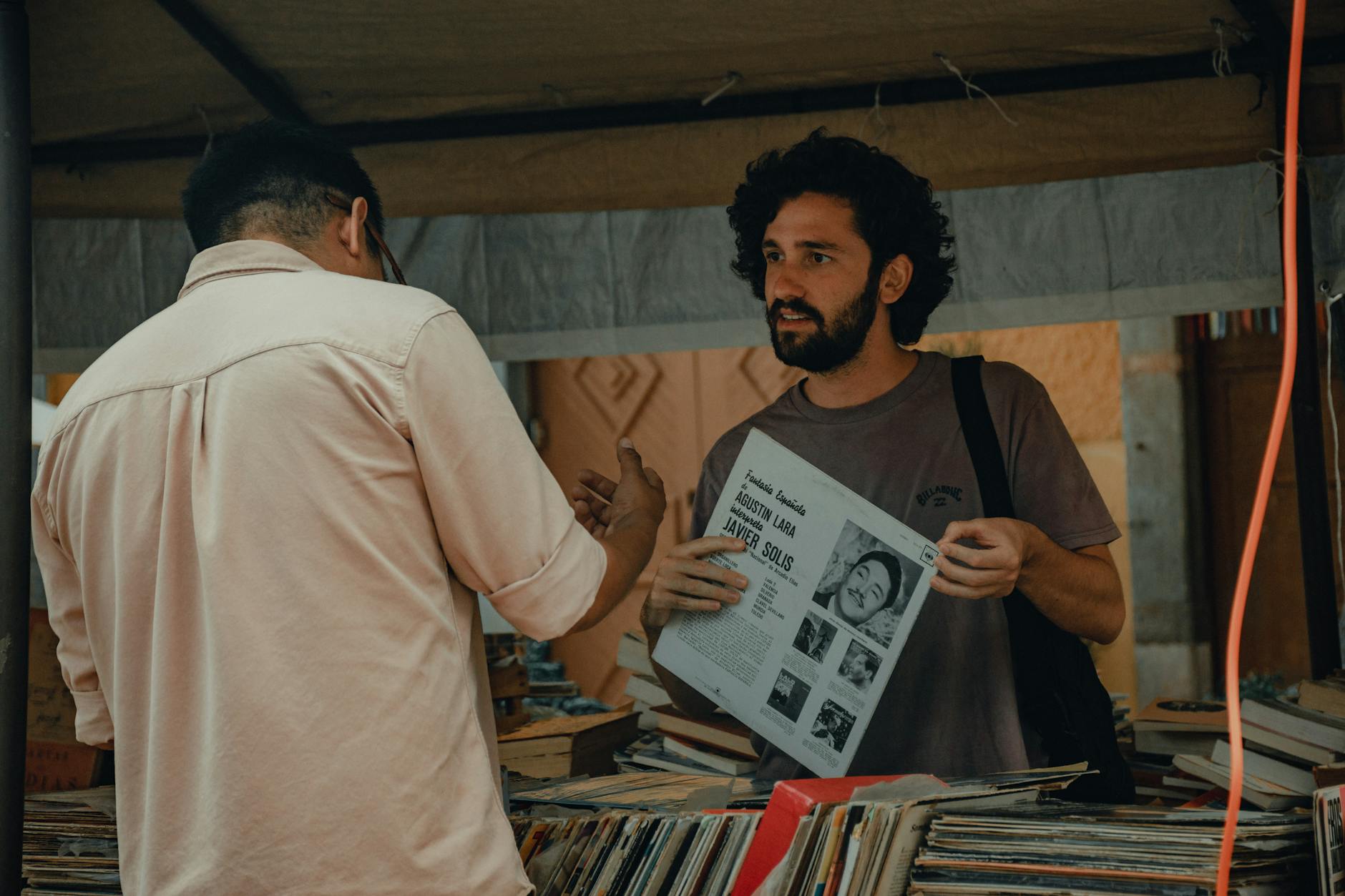
For collectors examining their own motivations, understanding where you fall on this spectrum can inform smarter purchasing decisions. Individual nostalgia tends to produce focused, specific desires””the exact card you remember, the precise set from your childhood year. These purchases carry high emotional value but limited flexibility. If the specific card you want has appreciated dramatically, individual nostalgia offers no substitute. Bonding-based motivation produces more flexible collecting behavior. The goal isn’t acquiring specific objects but recreating or continuing social experiences.
This flexibility often leads to better financial outcomes because bonding-oriented collectors can pursue value across different sets, eras, and product types. A father wanting to share Pokemon with his daughter doesn’t need a Base Set Charizard specifically; any cards that facilitate the bonding experience serve the core motivation. The tradeoff involves emotional satisfaction. Individual nostalgia collectors often describe acquiring their specific target card as profoundly fulfilling””a completion, a closure. Bonding-oriented collectors rarely experience that same sense of definitive achievement because their motivation is ongoing and relational rather than tied to specific acquisitions. Neither approach is superior, but collectors benefit from recognizing which motivation drives their behavior and setting expectations accordingly.
Why Pure Nostalgia Purchases Often Lead to Collector Burnout
A significant limitation of individual nostalgia as a collecting motivation is its tendency toward rapid burnout. The nostalgic impulse, once satisfied, often doesn’t regenerate. Collectors who return to Pokemon purely to recapture childhood memories frequently describe a pattern: intense initial purchasing, acquisition of key memory-linked cards, then rapid loss of interest. The itch has been scratched; the emotional need has been met; continued collecting feels purposeless. This pattern contributes to market volatility.
Waves of nostalgia-driven buyers enter markets during cultural moments””a viral video, a celebrity reveal, an anniversary””purchase aggressively for weeks or months, then exit completely. Their cards often return to market within a year or two, sometimes at significant losses. Bonding-oriented collectors, with their ongoing social motivations, rarely contribute to this churn. Collectors should be cautious if they recognize pure nostalgia as their primary motivation. This doesn’t mean avoiding purchases, but it suggests budgeting for a finite collecting phase rather than building infrastructure for long-term engagement. If you’re buying purely to recapture childhood feelings, consider setting a specific acquisition list and budget, achieving those goals, and then honestly assessing whether continued collecting serves any purpose beyond inertia.
How Community Participation Transforms Individual Collectors
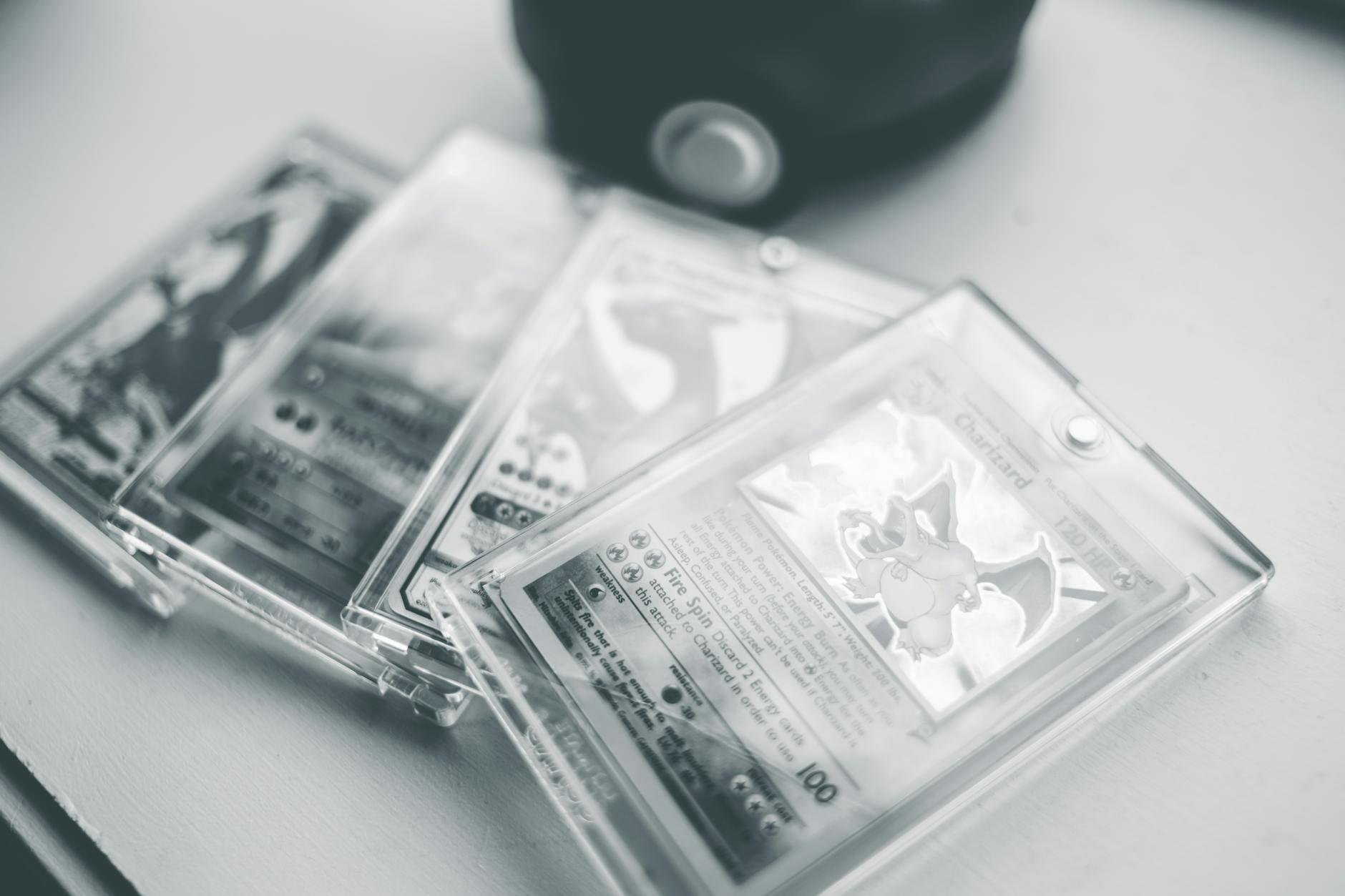
One path from individual nostalgia to bonding-based collecting involves active community participation. Collectors who enter the hobby through personal nostalgia but subsequently engage with collecting communities””local card shops, online forums, Discord servers, YouTube communities””often develop the social connections that transform their motivation. The hobby becomes about relationships rather than just cards. The Pokemon collecting community has developed extensive infrastructure for this transformation.
Trading groups, grading discussions, market analysis communities, and content creation all provide avenues for solitary collectors to develop bonding-based motivation. A collector who started buying to recapture childhood memories but now spends hours weekly discussing cards with online friends has effectively shifted their underlying psychology. This transition typically stabilizes collecting behavior. The former pure-nostalgia buyer who now has collecting friendships demonstrates the consistent engagement patterns associated with bonding motivation. Their attachment to the hobby becomes self-reinforcing through social investment””they’ve built relationships that would be lost if they abandoned collecting entirely.
What This Means for Long-Term Market Trends
Understanding the bonding-versus-nostalgia dynamic provides insight into future market trajectories. As the original Pokemon generation continues aging into parenthood, bonding-based demand should strengthen. The children currently experiencing Pokemon through shared family activity will, in fifteen to twenty years, represent a new generation of bonding-motivated collectors seeking to recreate those experiences with their own children.
This suggests structural support for vintage card values that extends beyond simple nostalgia cycles. However, this projection assumes Pokemon maintains cultural relevance sufficient to facilitate intergenerational bonding. Franchises that lose youth appeal eventually see their collector bases age out entirely, regardless of individual or bonding motivation. The Pokemon Company’s ongoing investment in new generations of fans isn’t just about current sales; it’s about maintaining the conditions under which bonding-based collecting can persist across decades.
Conclusion
The evidence strongly favors bonding experiences over individual nostalgia as predictors of sustained collecting behavior. Shared memories create richer emotional associations, ongoing social motivations, and more flexible purchasing patterns that prove resilient across market conditions and life changes. Pure nostalgia produces passionate but often brief collecting phases that contribute to market volatility rather than stability.
For collectors, this analysis suggests reflecting honestly on personal motivations. Those driven by bonding experiences can invest confidently in long-term collecting infrastructure. Those recognizing pure nostalgia as their primary driver should consider either actively building community connections to transform their motivation or approaching collecting as a finite project with defined goals and exit points. Understanding why you collect ultimately proves as valuable as understanding what to collect.